

Introduction
According to TechSci Research report, “Crude Oil Price Forecast - Global Industry Size, Share, Trends, Competition Forecast & Opportunities, 2031F, The Global Crude Oil Market is projected to grow from USD 3.11 Trillion in 2025 to USD 3.59 Trillion by 2031 at a 2.42% CAGR.
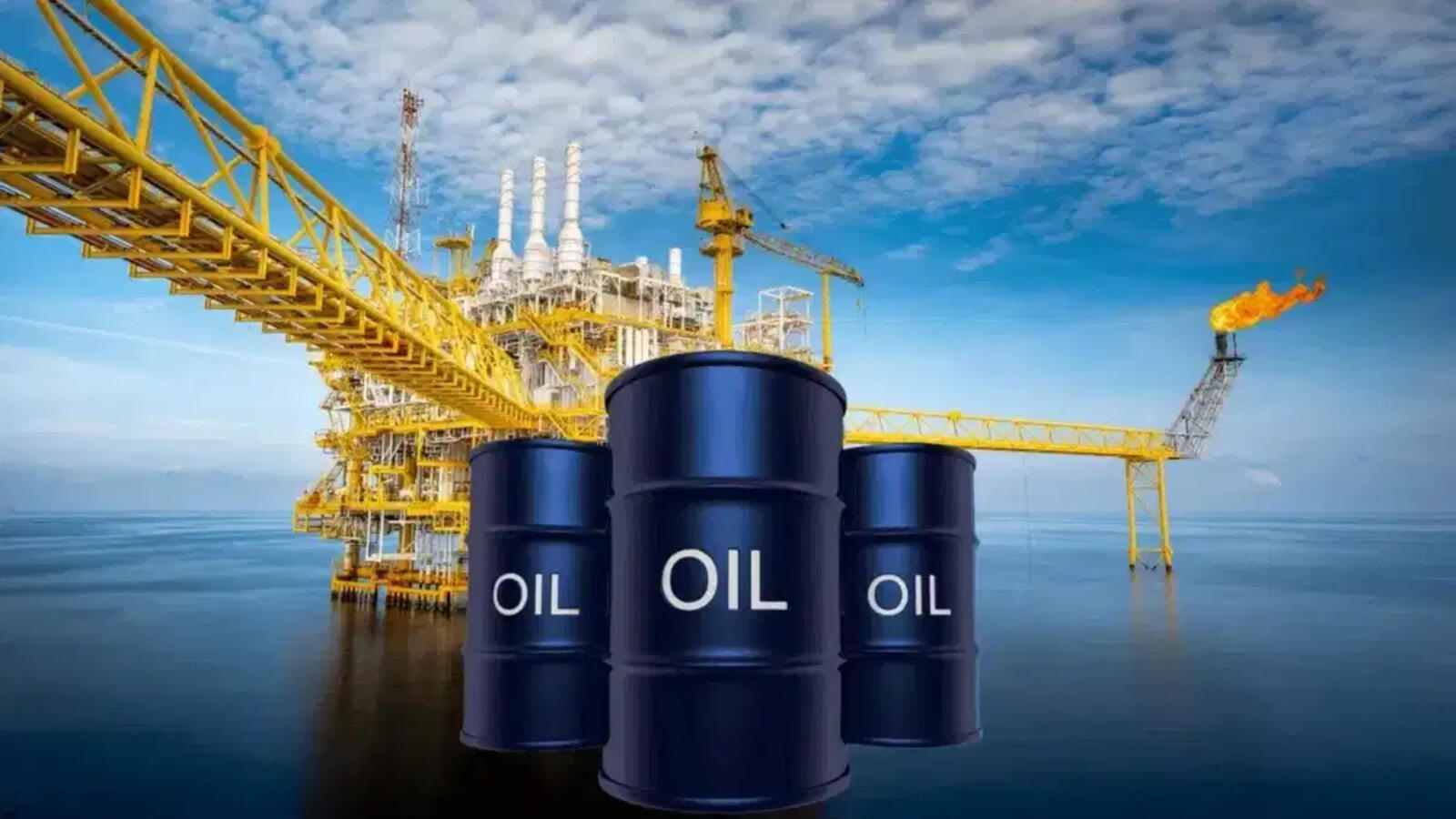
The global crude oil market remains one of the most influential and strategically important sectors within the global economy. Despite the accelerating transition toward renewable energy sources and growing environmental concerns, crude oil continues to serve as the backbone of industrial development, transportation, petrochemical manufacturing, power generation, and economic growth across both developed and emerging nations.
Crude oil is more than just a commodity; it is a critical economic indicator that influences inflation, trade balances, geopolitical relationships, industrial output, and energy security. From fueling transportation networks and aviation systems to serving as a key feedstock for petrochemicals, plastics, fertilizers, and synthetic materials, crude oil remains deeply integrated into modern society.
The market is characterized by complex supply-demand dynamics influenced by geopolitical events, production policies, technological advancements, environmental regulations, and evolving energy consumption patterns. While the world steadily advances toward cleaner energy alternatives, oil demand continues to demonstrate resilience due to increasing industrialization, urbanization, and mobility requirements across emerging economies.
Growing investments in upstream exploration activities, enhanced recovery technologies, digital oilfield solutions, and infrastructure development are further contributing to market expansion. Simultaneously, strategic petroleum reserves, international trade agreements, and fluctuating production levels among major oil-producing nations continue to shape global market trends.
As economies recover from past disruptions and energy consumption increases worldwide, the crude oil market is expected to maintain its strategic importance while adapting to new sustainability requirements and energy transition initiatives.
Request For Sample Copy of Report For More Detailed Market insight: https://www.techsciresearch.com/sample-report.aspx?cid=29768#requestform
Industry Key Highlights
Crude oil remains the primary source of global energy consumption.
Growing demand from transportation and industrial sectors continues to support market growth.
Increasing investments in exploration and production activities worldwide.
Rising petrochemical consumption driving long-term crude oil demand.
Technological advancements improving extraction efficiency and production output.
Digital oilfield technologies transforming operational performance.
Strategic petroleum reserves influencing supply stability.
Emerging economies contributing significantly to global oil consumption growth.
Expansion of refining capacity supporting downstream development.
Energy security concerns encouraging domestic production initiatives.
Key Market Drivers
Increasing Global Energy Demand
One of the primary factors driving the crude oil market is the continuous rise in global energy demand.
As economies expand and populations grow, demand for transportation, industrial production, and electricity generation increases significantly. Developing countries are witnessing rapid urbanization and infrastructure development, which require substantial energy resources.
The transportation sector remains one of the largest consumers of crude oil products, including gasoline, diesel, and aviation fuel. Expanding vehicle ownership and commercial transportation activities continue to support long-term market growth.
Industrialization Across Emerging Economies
Rapid industrialization in emerging economies has created strong demand for crude oil and petroleum products.
Manufacturing facilities, construction projects, logistics operations, and heavy industries require substantial energy inputs that are largely supported by oil-derived products.
Countries undergoing economic transformation continue to invest heavily in industrial infrastructure, creating sustained demand for crude oil throughout the forecast period.
Growing Petrochemical Industry
The petrochemical industry represents one of the most important growth drivers for the crude oil market.
Crude oil serves as a critical feedstock for the production of:
Plastics
Synthetic fibers
Packaging materials
Industrial chemicals
Fertilizers
Consumer goods
The increasing consumption of plastic products, packaging solutions, and chemical derivatives is generating additional demand for crude oil globally.
Rising Investments in Exploration and Production
Oil companies worldwide continue investing in exploration and production activities to secure future supply and meet growing energy requirements.
New discoveries, offshore drilling projects, unconventional resource development, and enhanced recovery technologies are expanding production capabilities.
These investments support market stability and help address future energy demand challenges.
Emerging Trends in the Crude Oil Market
Digital Transformation of Oilfields
One of the most transformative trends shaping the crude oil industry is digitalization.
Companies are increasingly deploying advanced technologies such as:
Artificial Intelligence
Machine Learning
Internet of Things (IoT)
Big Data Analytics
Digital Twins
Predictive Maintenance Systems
These technologies help operators optimize production, reduce downtime, improve safety, and lower operational costs.
Digital oilfields are expected to become a standard industry practice as companies seek greater efficiency and profitability.
Expansion of Enhanced Oil Recovery Technologies
Enhanced Oil Recovery (EOR) methods are gaining popularity as producers strive to maximize extraction from existing reservoirs.
Advanced EOR techniques such as:
Thermal Recovery
Gas Injection
Chemical Flooding
Carbon Dioxide Injection
enable companies to recover additional reserves while improving production economics.
This trend is expected to play a crucial role in maintaining global oil supply levels.
Increasing Focus on Carbon Management
Environmental concerns and sustainability goals are encouraging oil companies to adopt carbon management strategies.
Major industry participants are investing in:
Carbon Capture and Storage (CCS)
Carbon Utilization Technologies
Emission Reduction Programs
Energy Efficiency Initiatives
These efforts help companies align with global climate objectives while maintaining operational competitiveness.
Growth of Offshore Exploration Projects
Offshore exploration continues to attract significant investment due to the potential for large-scale discoveries.
Advancements in drilling technologies, subsea systems, and deepwater production capabilities have improved project feasibility and profitability.
Several regions are witnessing increased offshore activity, contributing to future market growth.
Integration of Automation and Robotics
Automation and robotics are revolutionizing oilfield operations.
Robotic inspection systems, autonomous drilling technologies, and remotely operated vehicles are enhancing operational safety and reducing human exposure to hazardous environments.
The adoption of automation is expected to accelerate as companies pursue cost optimization and operational excellence.
Market Challenges
Price Volatility
Crude oil prices remain highly sensitive to geopolitical events, supply disruptions, economic conditions, and production decisions.
Significant price fluctuations create uncertainty for producers, investors, and consumers alike.
Managing volatility remains one of the industry's most persistent challenges.
Environmental Regulations
Governments worldwide are implementing stricter environmental regulations aimed at reducing greenhouse gas emissions and promoting sustainable energy practices.
Compliance with evolving regulatory frameworks often requires substantial investments in technology and infrastructure upgrades.
Energy Transition Initiatives
The growing adoption of renewable energy technologies poses long-term challenges for crude oil demand growth.
Increasing investments in solar, wind, hydrogen, and electric mobility solutions are gradually reshaping global energy consumption patterns.
However, crude oil is expected to remain an essential component of the global energy mix for decades due to its extensive industrial applications.
Geopolitical Uncertainty
The crude oil market is heavily influenced by geopolitical developments, trade policies, sanctions, and regional conflicts.
Supply disruptions resulting from geopolitical tensions can significantly impact pricing and market stability.
Competitive Analysis
ExxonMobil Corporation
Chevron Corporation
Royal Dutch Shell plc (now Shell plc)
BP plc (British Petroleum)
TotalEnergies SE
Saudi Arabian Oil Company (Saudi Aramco)
Petrobras (Petróleo Brasileiro S.A.)
China National Petroleum Corporation (CNPC)
Customers can also request for 10% free customization on this report.
10 Benefits of the Research Report
1. Comprehensive Market Insights
Provides detailed understanding of market structure, dynamics, and growth prospects.
2. Strategic Decision-Making Support
Helps organizations formulate informed business strategies.
3. Competitive Intelligence
Offers valuable insights into market competition and strategic developments.
4. Growth Opportunity Identification
Highlights emerging opportunities across regions and segments.
5. Risk Assessment
Evaluates market challenges and potential threats.
6. Technology Trend Analysis
Examines innovations shaping future industry development.
7. Regional Market Evaluation
Provides country-level and regional growth assessments.
8. Investment Planning Assistance
Supports investors in identifying attractive market opportunities.
9. Forecasting and Future Planning
Delivers long-term market projections for strategic planning.
10. Industry Benchmarking
Enables companies to compare performance and competitive positioning.
Contact US:
Techsci Research LLC
420 Lexington Avenue, Suite 300,
New York, United States- 10170
Tel: +13322586602
Email: [email protected]
Web: https://www.techsciresearch.com/
Comments
Log in or sign up to join the conversation.