
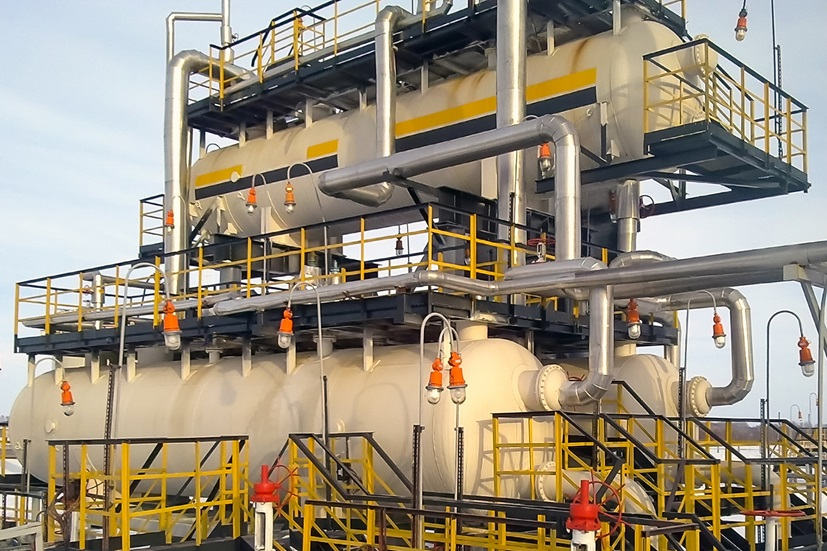
A crude oil distillation unit is a critical component in modern petroleum processing, designed to separate crude oil into valuable fractions like gasoline, diesel, kerosene, and lubricants. Utilizing advanced distillation technology, these units ensure high efficiency, consistent product quality, and reduced operational costs for industrial and energy applications.
Understanding Crude Oil Distillation
Crude oil distillation is a process that separates raw petroleum into different components based on their boiling points. A crude oil distillation unit employs heat, pressure, and sophisticated column design to efficiently extract multiple fractions while maintaining product quality.
Advantages of Crude Oil Distillation Units
High Efficiency – Separates large volumes of crude oil with minimal waste.
Consistent Quality – Ensures uniform product specifications for fuels and lubricants.
Cost-Effective Operation – Reduces energy and operational expenses.
Sustainable Practices – Incorporates solvent recovery and emission control systems.
Key Components of a Crude Oil Distillation Unit
Modern crude oil distillation units include specialized systems to maintain performance:
Distillation Columns – Core equipment for separating crude into various fractions.
Pre-Heating Systems – Prepare crude oil for efficient distillation.
Fractionation Systems – Separate components such as naphtha, diesel, and kerosene.
Storage and Handling Units – Manage distilled products safely.
Automated Control Systems – Monitor temperature, pressure, and flow for precise operation.
Industrial Applications
Crude oil distillation units are essential for multiple industrial sectors:
Fuel Production – Gasoline, diesel, kerosene, and jet fuel.
Lubricant Manufacturing – Production of base oils for machinery.
Petrochemical Industry – Provide feedstock for chemical production.
Energy Sector – Fuels for power generation and industrial heating.
By integrating a industries ensure optimized production, minimal waste, and consistent quality across all outputs.
Environmental and Economic Benefits
Implementing crude oil distillation technology provides several advantages:
Resource Optimization – Maximizes value from crude oil while reducing residues.
Operational Efficiency – Automated systems lower energy and labor costs.
Sustainable Production – Reduces environmental impact with emission control and solvent recovery.
Regulatory Compliance – Ensures adherence to industrial and environmental standards.
Technological Innovations
Modern distillation units incorporate advanced innovations to enhance performance:
Automated Monitoring Systems – Real-time control over temperature, flow, and pressure.
Energy-Efficient Designs – Reduce electricity consumption while maintaining high throughput.
Advanced Fractionation Technology – Improves separation quality and product consistency.
These technological improvements ensure high productivity, safety, and compliance with environmental regulations.
Conclusion
Investing in a allows industries to efficiently separate crude oil into high-quality products for fuels, lubricants, and petrochemicals. With advanced technology, automated monitoring, and sustainable practices, these units optimize production, reduce operational costs, and maintain environmental compliance. Choosing a reliable distillation unit ensures long-term operational efficiency, consistent product quality, and a competitive advantage in the petroleum industry.
Frequently Asked Questions (FAQs)
1. What products can be obtained from a crude oil distillation unit?
Gasoline, diesel, kerosene, lubricants, and petrochemical feedstocks.
2. How do I select a reliable crude oil distillation unit?
Evaluate the manufacturer’s technology, efficiency, automation features, and after-sales support.
3. What are the main benefits of a crude oil distillation unit?
Benefits include high efficiency, consistent quality, cost savings, and sustainable operations.
Comments
Log in or sign up to join the conversation.