
Let’s be honest – when most homeowners hear “battery backup,” they imagine spending ten thousand dollars or more. But here’s the reality that manufacturers don’t always advertise: cost effective stackable battery backup is absolutely achievable for the average household. You don’t need to power your entire home to get real value from a backup system. In fact, the most cost effective approach is often to start small, covering just your essential circuits, and then expand over time as your budget allows. Stackable battery systems are perfect for this pay-as-you-grow model. Instead of buying a massive, expensive unit upfront, you purchase a single module for around 1,500to1,500to2,500. That module can keep your refrigerator, internet router, a few lights, and phone chargers running for 10 to 15 hours during an outage. For the vast majority of power interruptions – which typically last a few hours rather than days – that’s plenty. And because the system is stackable, you can add a second module next year, and a third the year after, gradually building toward whole-home backup without ever taking out a loan or draining your savings.
Understanding the True Cost of Ownership
Before we dive into specific products, let me help you think about cost in a smarter way. The upfront price tag is only part of the story. A truly cost effective battery backup has a low total cost of ownership over its lifetime. Lead-acid batteries might seem cheaper at first – a 1,000golfcartbatterybanklookstempting–buttheytypicallylastonly500to1,000cyclesandrequireregularmaintenancelikeaddingdistilledwater.Overtenyears,youmightbuythreeorfourlead−acidbanks,spending1,000golfcartbatterybanklookstempting–buttheytypicallylastonly500to1,000cyclesandrequireregularmaintenancelikeaddingdistilledwater.Overtenyears,youmightbuythreeorfourlead−acidbanks,spending4,000 or more while dealing with constant upkeep. A lithium iron phosphate stackable module might cost $2,500 upfront, but it lasts 6,000 to 8,000 cycles – sixteen to twenty-two years of daily use. No maintenance, no watering, no corrosion cleanup. When you do the math, the lithium stackable battery is actually far more cost effective over time, costing pennies per cycle rather than dollars. Also consider what you’re not spending: no gasoline for a generator, no extension cords running through windows, no ruined food during outages. Factor in the peace of mind, and the value proposition becomes even clearer. Cost effective doesn’t mean cheapest upfront – it means best value over the years you’ll actually use the system.
Starting Small With Essential Circuits
One of the smartest ways to keep costs down is to right-size your backup from day one. Most homeowners don’t need to power their electric oven, clothes dryer, and central air conditioner during an outage. Those appliances are luxuries you can live without for a few hours. What you really need are the essentials: refrigerator (so food doesn’t spoil), internet and modem (so you can work and get information), a few LED lights (so you’re not stumbling in the dark), phone chargers (so you can call for help), and maybe a sump pump if you have a basement prone to flooding. Add up the wattage: refrigerator uses about 150 watts, internet gear 30 watts, six LED bulbs 30 watts, phone chargers 20 watts, sump pump 800 watts when running. That’s roughly 1,000 watts total if everything runs at once, but they rarely do. A single 5 kilowatt-hour stackable module can power these essentials for 10 to 15 hours, depending on how often the sump pump cycles. You can have an electrician install a small sub-panel that separates these essential circuits from the rest of your home. The battery connects to that sub-panel, leaving your non-essential circuits dead during an outage. This targeted approach costs a fraction of whole-home backup and covers 90% of what you actually need during the vast majority of power outages.
Choosing Affordable Yet Reliable Brands
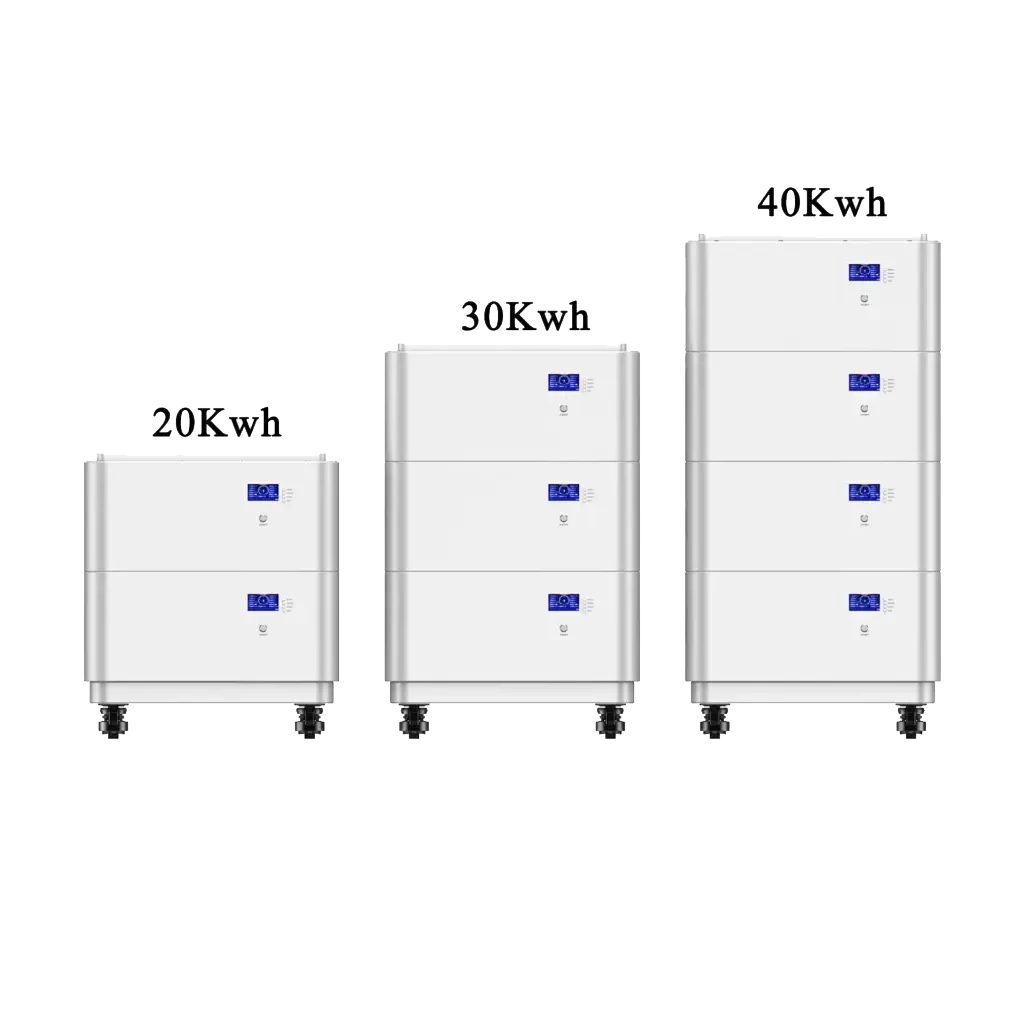
You don’t need to buy the most expensive brand to get a reliable stackable battery. Several companies now offer cost effective systems that don’t skimp on safety or lifespan. The EG4 LifePower4 series has become a favorite among budget-conscious homeowners. A 5.12 kilowatt-hour module typically sells for around $1,500, and it includes all the essentials: lithium iron phosphate cells, a capable battery management system, and a clear LCD display. It works seamlessly with affordable hybrid inverters from the same brand. Another solid option is the SOK battery, which offers similar specifications at a competitive price point. SOK modules are known for having robust internal construction and user-replaceable components – if a fan or a contactor fails years down the road, you can replace just that part rather than the whole module. The Trophy Battery series is another cost effective contender, particularly for homeowners who want a slightly more compact form factor. What these brands share is a focus on value: they use grade-A cells from reputable suppliers but avoid expensive frills like glossy touchscreens or proprietary smartphone apps. You can monitor them through standard communications protocols using a separate display or a basic computer interface. For homeowners who are comfortable with a little DIY, these affordable brands deliver 90% of the performance of premium systems for 60% of the price.
Installation Savings Through DIY and Incentives
One of the easiest ways to make stackable battery backup more cost effective is to handle the installation yourself – or at least parts of it. Unlike a complex whole-home system that requires major electrical panel work, a simple essential-circuits backup can often be installed by a confident homeowner. The battery modules themselves simply connect together with included busbars and cables. The main challenge is connecting the battery to your electrical panel, but many hybrid inverters designed for essential circuits come with pre-wired input and output terminals. You mount the inverter near your panel, run a few short conduit lines, and you’re done. If you’re not comfortable with electrical work, you can still save by doing the mechanical installation – mounting the battery stack, running the communication cables – and hiring an electrician for just the final panel connections. That might cost 500insteadof500insteadof2,000 for full-service installation. Also, don’t forget federal and state incentives. The U.S. federal Investment Tax Credit covers 30% of the cost of battery storage when paired with solar panels. Even without solar, some states offer rebates for residential backup batteries. Check with your local utility as well – some offer incentives for batteries that can be used for grid demand response. Between DIY savings and incentives, the net cost of a cost effective stackable system can drop by 40% or more.
Long Term Savings That Justify the Investment
Let’s look at the big picture. A cost effective stackable battery backup isn’t just an expense – it’s an investment that can actually save you money over time. First, consider food loss prevention. The average refrigerator contains 300to300to500 worth of food. One multi-hour outage that spoils everything pays for a significant chunk of your battery. Second, consider generator fuel and maintenance. A portable generator costs 50to50to100 per day to run on gasoline, plus oil changes, spark plugs, and the hassle of storing flammable fuel. After a few outages, the battery has paid for itself compared to generator operating costs. Third, consider time-of-use savings. If your utility offers time-of-use rates, you can charge your battery during cheap overnight hours and discharge during expensive afternoon peaks, saving 200to200to500 per year. Fourth, consider increased home value. Real estate agents report that homes with battery backup sell faster and at higher prices, particularly in areas prone to outages. When you add up the food savings, avoided generator costs, utility bill reductions, and home value appreciation, a cost effective stackable battery often delivers a positive return on investment within five to seven years – and then continues saving you money for another decade after that. For most homeowners, the question isn’t whether you can afford a stackable battery backup, but whether you can afford not to have one.
Comments
Log in or sign up to join the conversation.