

Content Overload in B2B: Know How Content Conversion Occur
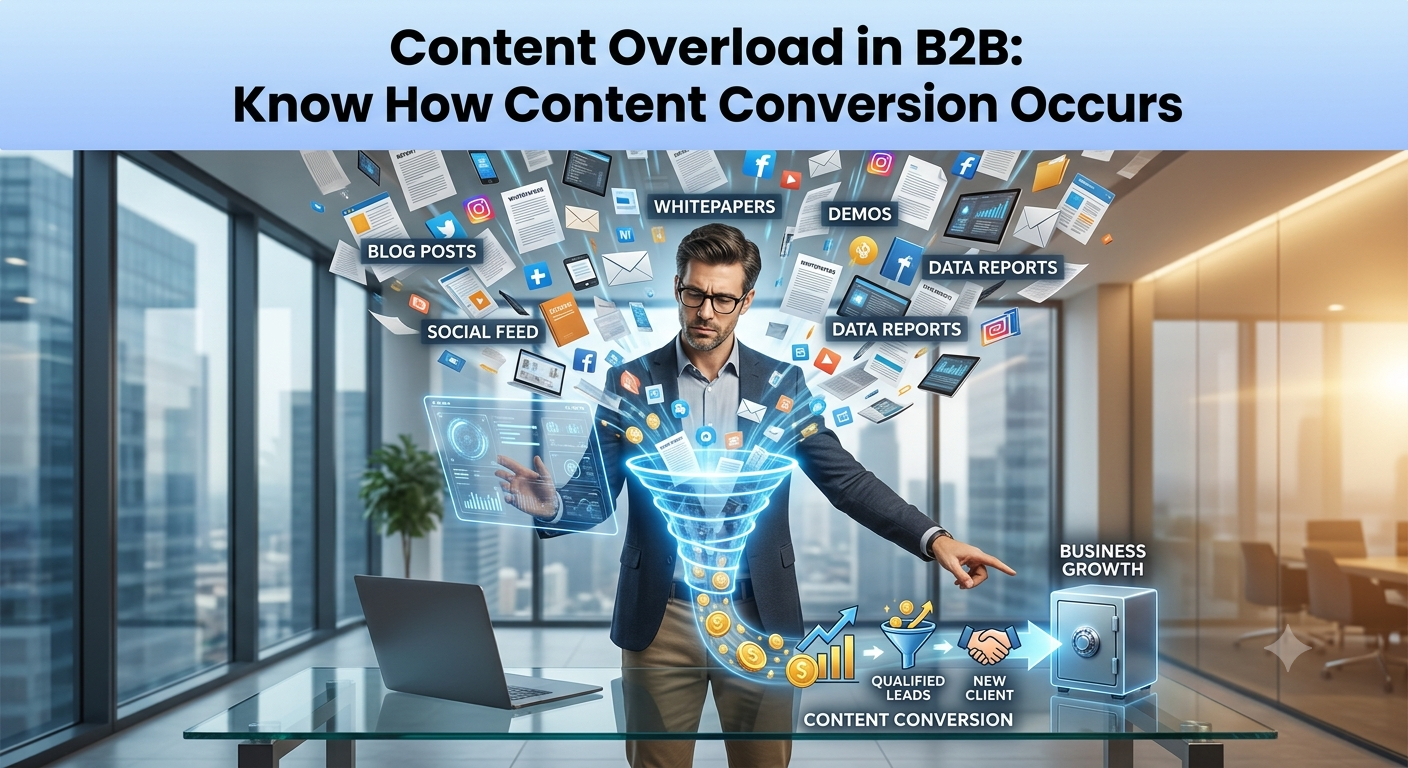
B2B buyers have access to more content than ever before. Blog posts, whitepapers, webinars, videos, case studies, and social media updates compete for their attention every day. While producing more content may seem like the answer, quantity alone rarely drives meaningful business results. The real opportunity lies in creating content that is relevant, valuable, and aligned with the buyer's needs.
Understanding how b2b content syndication services conversion occurs helps businesses focus on quality rather than volume.
Why Content Overload Is a Challenge
Decision-makers often encounter hundreds of marketing messages throughout the buying journey. When content lacks relevance or fails to address specific business challenges, prospects quickly lose interest.
Publishing excessive content without a clear strategy can also make it difficult for buyers to find the information they need.
Relevance Drives Engagement
Successful B2B content addresses real customer questions and provides practical insights. Educational blogs, industry reports, case studies, and solution-focused resources help buyers make informed decisions while building confidence in a brand.
Relevant content keeps audiences engaged and encourages them to continue exploring available solutions.
Align Content with the Buyer Journey
Different stages of the buyer journey require different types of content. Awareness-stage content introduces industry challenges, while consideration-stage resources explain possible solutions. Decision-stage content, such as customer success stories and product comparisons, supports final purchasing decisions.
Providing the right content at each stage improves engagement and increases the likelihood of conversion.
Measure Meaningful Content Performance
Evaluating content based only on page views or downloads provides an incomplete picture. Businesses should also monitor metrics such as time spent on content, repeat engagement, content completion, and qualified lead generation.
These insights reveal which content contributes most effectively to business objectives.
Optimize and Repurpose Valuable Content
Rather than constantly producing new content, businesses can maximize the value of existing assets by updating, expanding, and repurposing them into different formats. A blog article can become an infographic, webinar, social media series, or downloadable guide.
Content optimization extends reach while maintaining consistency across marketing channels.
Turning Content into Business Results
Content conversion is achieved by delivering valuable information that helps buyers solve real business challenges. Organizations that focus on relevance, personalization, and continuous optimization are more likely to generate qualified leads and strengthen customer relationships.
By reducing content overload and prioritizing quality, B2B businesses can improve engagement, increase conversions, and build a more effective content marketing strategy.
Comments
Log in or sign up to join the conversation.