

Lymphedema, a condition characterized by lymphatic fluid accumulation that leads to swelling, typically affects limbs. According to the Lymphatic Education & Research Network, approximately 10 million Americans suffer from lymphedema, highlighting its prevalence and the need for effective management strategies.
While no cure exists for lymphedema, various management strategies can help alleviate symptoms and enhance the quality of life for those living with the disorder - one practical and highly recommended approach being compression socks.
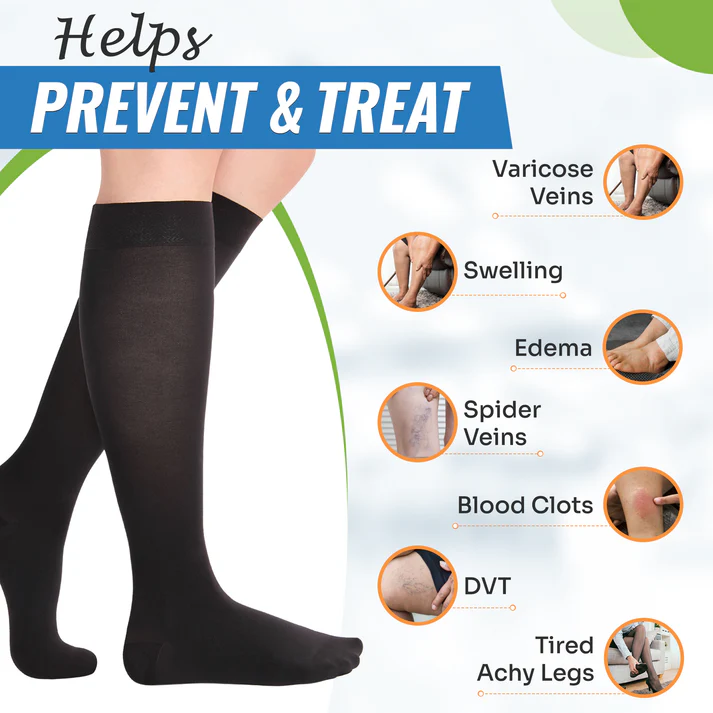
20 30 mmhg knee high compression socks are specially designed garments that apply controlled pressure to the limbs, ensuring that all issues are addressed effectively. This blog will explore how compression socks help with lymphedema and provide guidance on their use.
Understanding Lymphedema
Lymphedema can either be caused by genetic factors or secondary to damage to the lymphatic system caused by surgery, radiation therapy, infection, or trauma. Primary lymphedema is less common and often hereditary, while secondary lymphedema can develop after procedures like mastectomies, which affect lymph nodes.
Lymphatic fluid plays a crucial role in immune function and fluid balance of our bodies - when compromised, this leads to accumulation in tissues, resulting in swelling in either arms or legs.
The symptoms of lymphedema include swelling, heaviness, restricted range of motion, discomfort, and repeated infections. Left untreated, it can progress into more severe complications, including skin changes, chronic infections, and even lymphangiosarcoma - a rare but potentially life-threatening form of cancer.
How Compression Socks Help Manage Lymphedema?
Compression socks are garments designed to apply controlled pressure to the limbs, providing relief to lymphedema sufferers. Compression socks have many benefits in managing lymphedema. Here we have listed some of the ways how the compression socks can help with the condition:
Promote Fluid Development: Compression socks help promote fluid movement by exerting pressure on leg tissues and veins, prompting lymph fluid back into its lymphatic vessels and towards the heart - this reduces pooling in affected areas and ultimately decreases swelling.
Supporting Vein Function: By compressing legs, these socks help veins operate more effectively, improving blood circulation. This is particularly beneficial to individuals living with lymphedema since inadequate circulation can worsen swelling.
Decrease Swelling: Compression socks provide relief by decreasing swelling associated with lymphedema and providing support to reduce fluid accumulation, helping alleviate discomfort and alleviate feelings of heaviness in affected limbs. They may also help alleviate discomfort caused by lymphedema itself.
Preventing Complications: Regular use of best compression socks for lymphedema may help slow the progression of lymphedema and lessen its potential complications, such as skin infections and fibrosis (hardening of the skin).
Types and Levels of Compression Socks
Compression socks come in various types, and pressure levels are measured in millimeters of mercury (mmHg). Selecting an appropriate type and pressure level depends on the severity of lymphedema as well as advice from healthcare providers; common varieties include:
Graduated Compression Socks (GCSs): GCSs are tighter at the ankle and gradually loosen as you progress up the leg, making them the go-to solution for lymphedema as they promote fluid movement and are effective in increasing lymph flow. They're an economical way to provide lymphedema care.
Anti-Embolism Stockings: These socks are explicitly tailored to assist individuals who are immobile or recovering from surgery by helping prevent deep vein thrombosis (DVT) and improve circulation.
Custom-Fit Compression Garments: In severe cases of lymphedema, tailored socks or sleeves may be required to provide the level of compression necessary for effective management.
Best Practices for Utilizing Compression Socks
In order for compression socks to be practical, they must be worn correctly. If you are not using them in the right manner then the effect might not be useful for you. Therefore, focus on the strategy and aspect to ensure that it is used in the right manner. You can consult your healthcare professional to get assistance with the best practices for using the compression socks. Here are some best practices:
Proper Fit: Make sure that the socks fit correctly to prevent any complications with circulation or skin irritation; poorly fitting socks could even reduce circulation altogether! Professional measurement may be beneficial. Obtaining compression socks often comes highly recommended.
Consistent Wear: Compression socks should be worn on a consistent basis, according to the recommendations of a healthcare provider, typically every morning before work and again just prior to bedtime.
Care and Maintenance: Proper care extends the lifespan of compression socks. Wash them as per manufacturer instructions, replacing them every three to six months or as soon as they lose elasticity.
Gradual Introduction: For those unfamiliar with compression socks, getting used to them may take some time, and wear time should gradually increase over time to help your body adapt. Gradually increasing wear time may assist your body in doing just that.
Conclusion
The use of best compression socks for Lymphedema can be an invaluable aid in managing lymphedema. By encouraging fluid movement, supporting vein function, relieving pain, and avoiding complications, they play an integral part in improving the quality of life for individuals living with this condition.
Consulting a healthcare provider for an appropriate type and level of compression usage will significantly lessen its symptoms. Furthermore, if you are looking to purchase these compression socks, consider SNUG360, where you can explore an array of products that suit your needs in the best manner.
By incorporating these additions, your blog will provide a more comprehensive and informative guide on how compression socks help with lymphedema, making it more engaging and useful for readers.
Comments
Log in or sign up to join the conversation.