
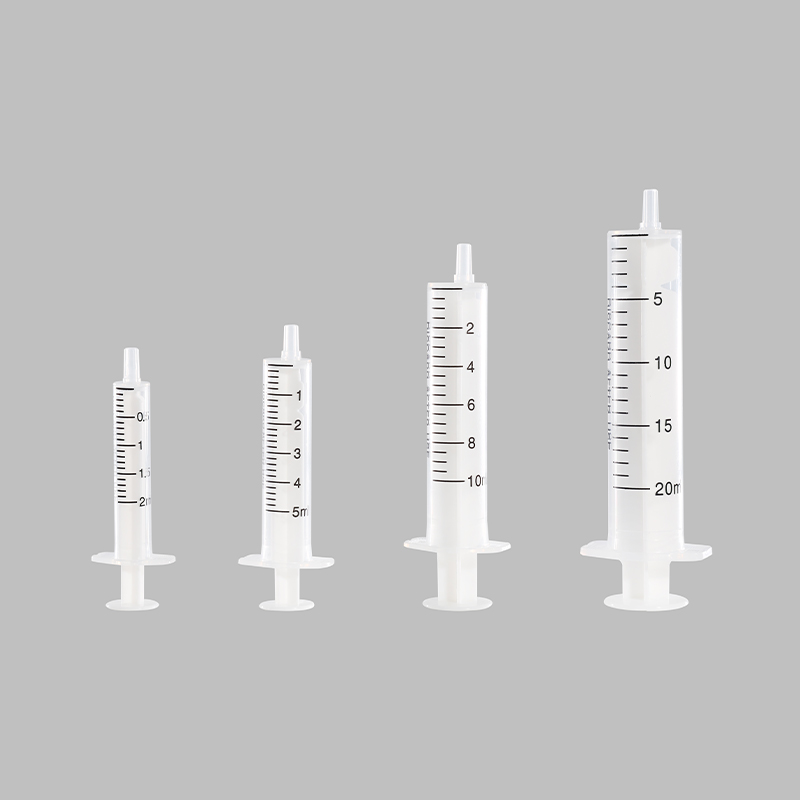
Understanding syringe parts is essential for healthcare professionals and students to ensure accurate medication administration and safe medical practices. Each component plays a specific role in the overall function of the syringe.
What Are Syringe Parts?
A syringe is composed of several parts that work together to deliver medications, withdraw fluids, or perform medical procedures safely and effectively. Knowing the function of each part helps in proper handling and maintenance.
Main Components of a Syringe
Barrel:
The hollow cylindrical tube that holds the fluid or medication.
Graduated markings indicate the volume of fluid.
Plunger:
A movable rod inside the barrel that pushes or draws fluid.
Smooth movement ensures precise dosing.
Needle (Optional):
Attached to the tip, used for injection.
Comes in different gauges for various purposes.
Tip:
Connects the barrel to the needle or catheter.
Types include Luer lock, Luer slip, and catheter tip.
Flange:
The flat part at the end of the barrel.
Provides support for fingers when pushing the plunger.
For more detailed information, healthcare professionals can refer to syringe parts resources.
Types of Syringes Based on Design
Standard Syringes
Simple and versatile, used for general injections and fluid withdrawal.
Insulin Syringes
Fine needles designed for accurate insulin dosing with minimal discomfort.
Luer Lock Syringes
Provides a secure connection to prevent leaks.
Catheter Tip Syringes
Used for feeding tubes, irrigation, and specialized procedures.
Large-Volume Syringes
Ideal for irrigation or administration of large volumes of fluid.
Functions of Each Syringe Part
Barrel: Determines the volume of fluid administered.
Plunger: Ensures accurate flow control.
Needle: Facilitates medication delivery or fluid withdrawal.
Tip: Provides a secure connection and prevents leaks.
Flange: Offers control and stability during administration.
Importance of Understanding Syringe Parts
Accuracy: Knowing the components ensures precise dosing.
Safety: Proper handling prevents contamination and accidents.
Efficiency: Familiarity with syringe parts streamlines medical procedures.
Maintenance: Understanding parts allows proper cleaning and storage.
Proper Handling and Maintenance
Inspect syringes before use for damage or contamination.
Use aseptic techniques to maintain sterility.
Dispose of single-use syringes according to medical protocols.
Sterilize reusable parts safely.
Store syringes in clean, secure environments.
Troubleshooting Common Issues
Leaking: Check the tip connection and needle attachment.
Air Bubbles: Prime the syringe to remove trapped air.
Difficulty in Plunger Movement: Ensure the barrel and plunger are aligned and undamaged.
Incorrect Dosing: Verify syringe graduations and use the appropriate size.
FAQs About Syringe Parts
1. What are the main syringe parts?
The main parts are the barrel, plunger, needle, tip, and flange, each serving a specific function in fluid delivery.
2. Why is it important to know syringe parts?
Understanding syringe parts ensures accurate dosing, safe administration, and proper maintenance.
3. Where can I learn more about syringe parts?
Healthcare professionals can consult syringe parts resources for detailed guidance.
Conclusion
Knowledge of syringe parts is essential for healthcare professionals to provide accurate, safe, and efficient care. Each component contributes to the syringe’s overall functionality, and understanding them enhances patient safety and clinical outcomes. For further guidance, refer to syringe parts resources.
Comments
Log in or sign up to join the conversation.