
Explore practical setup tips to improve machining accuracy, cutting stability, surface finish, and overall industrial machining efficiency.
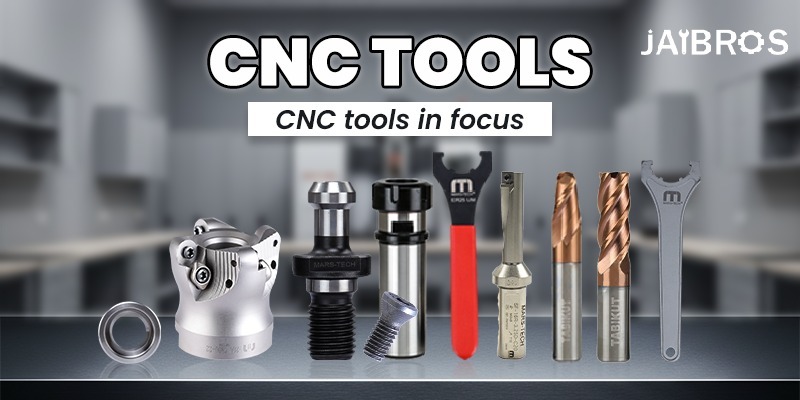
CNC Tool Setup Guide for Better Machining Results
Good setup practices are very important in modern machining operations. A proper setup helps improve cutting accuracy, reduces machine vibration, and supports better surface finishing. Every machining project requires careful planning before production begins. Machine operators should inspect the workpiece, tooling system, and machine condition to avoid unnecessary production errors. A correctly installed cnc tool can improve operational efficiency and help reduce tool wear during long machining cycles.
Industrial workshops often focus on cutting speed, but setup quality is equally important for maintaining stable machining performance. Proper alignment, balanced cutting pressure, and accurate measurements help improve productivity in different machining applications. Careful preparation also increases machine safety and reduces downtime caused by incorrect setup conditions. These small but important steps support better machining results and improve overall production quality.
Inspect the Workpiece Carefully
Before starting any machining process, operators should examine the material and understand the production requirements. Different metals and industrial materials react differently during cutting operations. Proper inspection helps reduce mistakes and improves machining consistency.
Important inspection points:
Check workpiece dimensions carefully
Clean all mounting surfaces properly
Confirm drawing specifications
Remove dust and metal particles
Verify fixture stability before operation
Material preparation is one of the most important parts of machining. Uneven clamping or incorrect positioning can create vibration and poor cutting quality. Operators should also inspect spindle condition and coolant flow before machine startup.
Select the Right Cutting Equipment
Choosing suitable cutting equipment improves machining efficiency and helps achieve accurate results. Understanding different cnc tool types allows operators to select the correct cutting option for roughing, drilling, or finishing operations.
Common setup considerations:
Use strong tools for heavy cutting
Select sharp edges for smooth finishing
Match cutting speed with material hardness
Use balanced assemblies for high-speed machining
Replace worn tools before operation
A durable carbide cutter performs effectively in demanding industrial cutting applications because of its heat resistance and strength. Similarly, Carbide drills are commonly used for precision drilling operations where dimensional accuracy is important.
Operators should avoid using damaged cutting edges because they can reduce machining quality and increase machine load. Careful tool selection helps maintain smooth machining performance during production work.
Importance of Secure Mounting
Stable mounting is necessary for achieving accurate machining performance. Loose components may create vibration, uneven cuts, and excessive spindle pressure. Proper tightening methods improve operational safety and cutting stability.
A properly installed cnc tool holder helps maintain balance and supports accurate tool positioning during machining operations. Operators should clean all contact surfaces before installation to avoid alignment problems.
Tips for secure installation:
Tighten components carefully
Inspect spindle taper condition
Remove chips from mounting areas
Check assembly alignment before startup
Test machine rotation at low speed
Some industrial setups use torx screws because they provide stronger fastening support during high-pressure operations. Correct tightening pressure helps reduce movement and improves machining reliability.
Improper mounting may also reduce the lifespan of machine components. Regular inspection of assembly parts is important for long-term machining performance.
Measure Alignment Properly
Accurate alignment is essential in every machining operation. Small positioning errors can affect surface finish and dimensional accuracy. Proper measuring practices help maintain consistency in industrial production.
A feeler guage is commonly used to check spacing and alignment during machine setup procedures. It helps operators verify contact accuracy and improve positioning stability before machining begins.
Alignment checks may include:
Tool height verification
Fixture positioning inspection
Spindle runout checking
Clamping pressure adjustment
Workpiece alignment confirmation
Careful measurement reduces production errors and improves machining precision. Industries that require close tolerances often follow detailed setup inspection procedures before starting production.
Optimize Machine Settings
Machine settings directly affect cutting quality and operational efficiency. Feed rate, spindle speed, and cutting depth should match the material and machining requirement. Incorrect settings can increase heat generation and reduce tool life.
Understanding various cnc tool types helps operators apply better cutting conditions for different industrial applications. Hard materials generally require slower cutting speeds, while softer materials can support faster machining operations.
Recommended setup practices:
Start with moderate spindle speed
Monitor vibration during cutting
Maintain proper coolant flow
Observe chip formation regularly
Adjust feed rate carefully
A high-quality carbide cutter can support stable cutting performance in heavy machining operations. Likewise, Carbide drills help improve drilling accuracy when correct speed and feed settings are maintained.
Machine operators should continuously monitor machining conditions and make adjustments whenever required. This helps improve cutting efficiency and reduces unexpected machine stoppages.
Focus on Maintenance and Safety
Maintenance is important for maintaining machining accuracy and operational stability. Dirty or worn machine components may affect performance and increase production problems.
Basic maintenance practices:
Lubricate machine components regularly
Clean spindle and fixtures properly
Inspect coolant systems frequently
Replace damaged clamping parts
Check electrical connections safely
Modern cnc machine tools require regular inspection to maintain long-term performance. Proper maintenance reduces machine downtime and supports smoother industrial operations.
A balanced and correctly fitted cnc tool also improves machining safety by reducing vibration and cutting instability. Operators should always follow safety procedures before starting machining work.
Skilled Operators Improve Machining Results
Experienced operators play a major role in machining efficiency. Even advanced machinery requires proper handling and setup knowledge for achieving quality results.
A reliable cnc tool holder supports stable cutting performance, but operator awareness is equally important during machining operations. Skilled workers can quickly identify alignment issues and correct setup problems before production begins.
Good operator habits:
Double-check measurements
Monitor unusual machine sounds
Inspect cutting edges regularly
Record setup adjustments
Follow safety guidelines consistently
Training and practical experience help operators improve machining quality and reduce production errors in industrial workshops.
Conclusion
Superior machining requires a proper setup, correct alignment, and adequate cutting parameters. From workpiece checking to machine setting, all these factors contribute to increased production and machining accuracy. The practice of regular maintenance, effective mounting, and proper operation will also minimize machine wear and enhance cutting stability in the long run. Organizations that pay attention to the setup procedure will find machining easier and more efficient. Companies that require quality industrial machining tools can get in touch with jaibros for reliable solutions.
FAQs
1. Why is setup important in machining?
Proper setup improves accuracy, safety, and machining efficiency.
2. What causes poor machining finish?
Incorrect alignment, loose mounting, and worn cutting tools can affect finishing quality.
3. Why are measuring tools important during setup?
They help maintain alignment and improve machining precision.
4. How can vibration be reduced in machining?
Proper mounting and balanced cutting conditions help reduce vibration.
5. Why is maintenance necessary for machining machines?
Maintenance improves machine life and supports stable performance.
Comments
Log in or sign up to join the conversation.