
Bolt torquing may seem like a small, technical detail in the larger scope of a pipeline or industrial project, but getting it wrong can lead to serious consequences, including leaks, equipment failure, and costly downtime. Because precision and safety are so critical to this process, hiring the right contractor is just as important as the torquing work itself.
For beginners navigating this process for the first time, it's easy to overlook important warning signs or skip steps that seem minor but actually matter a great deal. This guide highlights the most common mistakes to avoid when hiring bolt torquing services in Abu Dhabi, helping you make a safer, more informed decision.
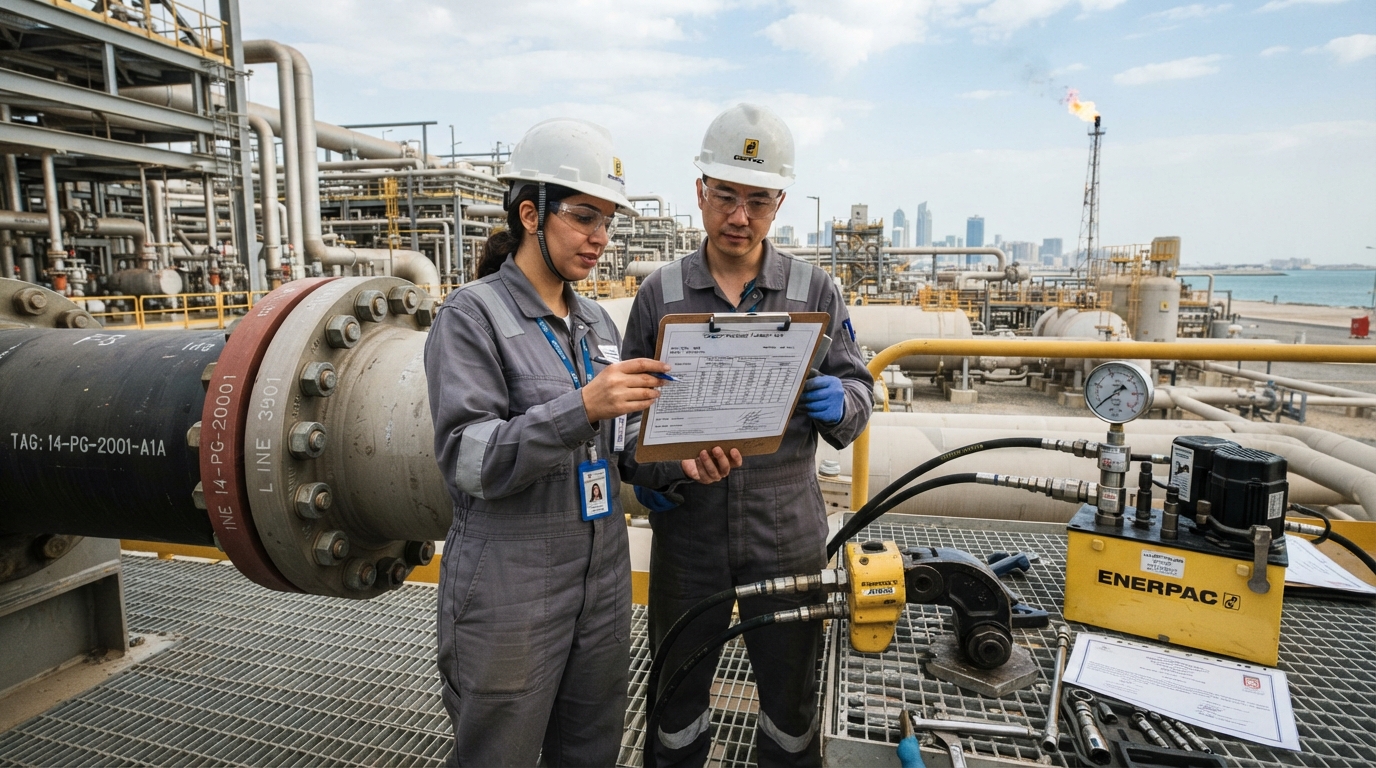
Mistake 1: Assuming Any Pipeline Contractor Can Handle Bolt Torquing
One of the most common mistakes beginners make is assuming that any general pipeline or construction contractor is equipped to handle bolt torquing. In reality, this service requires specialized tools, calibrated equipment, and technicians trained specifically in torque application.
Before hiring, always confirm that a contractor has direct, hands-on experience with bolt torquing specifically, rather than assuming their broader pipeline or construction expertise automatically covers this specialized skill. A contractor who is excellent at pipeline installation or welding may still lack the specific tools and training needed to perform accurate, reliable torquing work.
Mistake 2: Not Verifying Equipment Calibration
Bolt torquing relies on precise, measurable force, which means the equipment used must be properly calibrated to ensure accurate results. Using outdated or poorly maintained tools can lead to bolts being under-tightened or over-tightened, both of which can compromise the safety and integrity of a connection.
Ask potential contractors how often their equipment is calibrated and whether they can provide documentation or certification confirming this. A contractor who takes equipment calibration seriously demonstrates a genuine commitment to quality and safety.
Mistake 3: Ignoring Certifications and Training
Bolt torquing isn't just about using the right tools, it also requires technicians who understand engineering specifications, torque sequences, and safety protocols. Hiring a contractor without properly trained or certified personnel increases the risk of errors that could compromise the entire system.
Before signing a contract, ask about the qualifications and training of the technicians who will actually be performing the work, not just the company's overall credentials.
Mistake 4: Overlooking the Importance of Documentation
In many industries, especially oil, gas, and industrial facilities, proper documentation of torque values is essential for quality assurance and regulatory compliance. A common mistake beginners make is failing to ask whether a contractor provides detailed torque records for each connection.
Without this documentation, it becomes difficult to verify that the work was completed correctly or to reference torque values during future maintenance or inspections.
Mistake 5: Choosing the Lowest Quote Without Asking Questions
While staying within budget is important, choosing a contractor based solely on the lowest price is a common and potentially costly mistake. Unusually low quotes can sometimes indicate a lack of proper equipment, insufficient training, or corners being cut during the torquing process.
Instead of focusing only on price, ask for a detailed breakdown of what's included in the quote, and compare multiple contractors based on experience, equipment, and safety practices, not just cost. Remember that the cost of correcting a poorly torqued connection, including potential leaks, downtime, or safety incidents, will almost always outweigh the savings from choosing the cheapest option upfront.
Mistake 6: Failing to Ask About Torque Sequencing
Bolts are rarely tightened all at once or in a random order. Proper torque sequencing, tightening bolts in a specific pattern and in gradual stages, is essential to ensuring even pressure distribution across a connection. Skipping this step or using an improper sequence can lead to warping, uneven stress, or leaks.
Beginners often overlook this detail entirely, but it's worth asking potential contractors how they approach torque sequencing for your specific type of connection.
Mistake 7: Not Checking for Industry-Specific Experience
Bolt torquing requirements can vary significantly depending on the industry and application, whether it's oil and gas pipelines, water treatment facilities, or industrial machinery. Hiring a contractor without experience in your specific industry can lead to overlooked details or incorrect torque specifications.
Always ask potential contractors about their experience with projects similar to yours, including the types of systems, pressures, and environments they've worked with before.
Mistake 8: Skipping Reference Checks
Many beginners hire a contractor based solely on a website, brochure, or initial sales pitch without ever speaking to past clients. Skipping this step means missing out on valuable, honest insight into how a contractor actually performs on real projects.
Take the time to request references and ask specific questions about reliability, communication, and the quality of completed work before making a final decision.
Why Avoiding These Mistakes Matters
Bolt torquing plays a critical role in the safety and performance of pipelines and industrial systems across Abu Dhabi. A poorly torqued connection can lead to leaks, equipment damage, or even dangerous failures in high-pressure environments. By avoiding these common hiring mistakes, beginners can significantly reduce the risk of costly errors and ensure their project is completed safely and correctly.
Frequently Asked Questions
What's the biggest mistake beginners make when hiring bolt torquing services? Assuming that any general pipeline or construction contractor can handle bolt torquing is one of the most common and costly mistakes. This specialized service requires specific training, equipment, and experience.
How can I verify a contractor's torquing experience? Ask for examples of past projects, request references, and inquire about the specific certifications and training of the technicians who will perform the work, not just the company as a whole.
Why does equipment calibration matter so much? Accurate torque application depends entirely on properly calibrated equipment. Even small inaccuracies can lead to under-tightened or over-tightened bolts, both of which can compromise safety and performance.
Is it necessary to get torque documentation for every project? For most industrial and safety-critical applications, yes. Proper documentation helps verify that work was completed correctly and provides a valuable reference for future maintenance or inspections.
Final Thoughts
Hiring the right bolt torquing contractor requires more than just comparing prices or reading a brief company description. By avoiding these common mistakes, verifying experience, checking equipment calibration, confirming certifications, and asking the right questions, beginners can make a far more informed and confident hiring decision.
Taking the time to properly vet a bolt torquing contractor helps protect the safety, performance, and longevity of your pipeline or industrial system, ultimately saving time, money, and risk in the long run.
Comments
Log in or sign up to join the conversation.