

Commercial Painting Tampa A Practical Guide to Quality, Planning, and Long-Term Results.
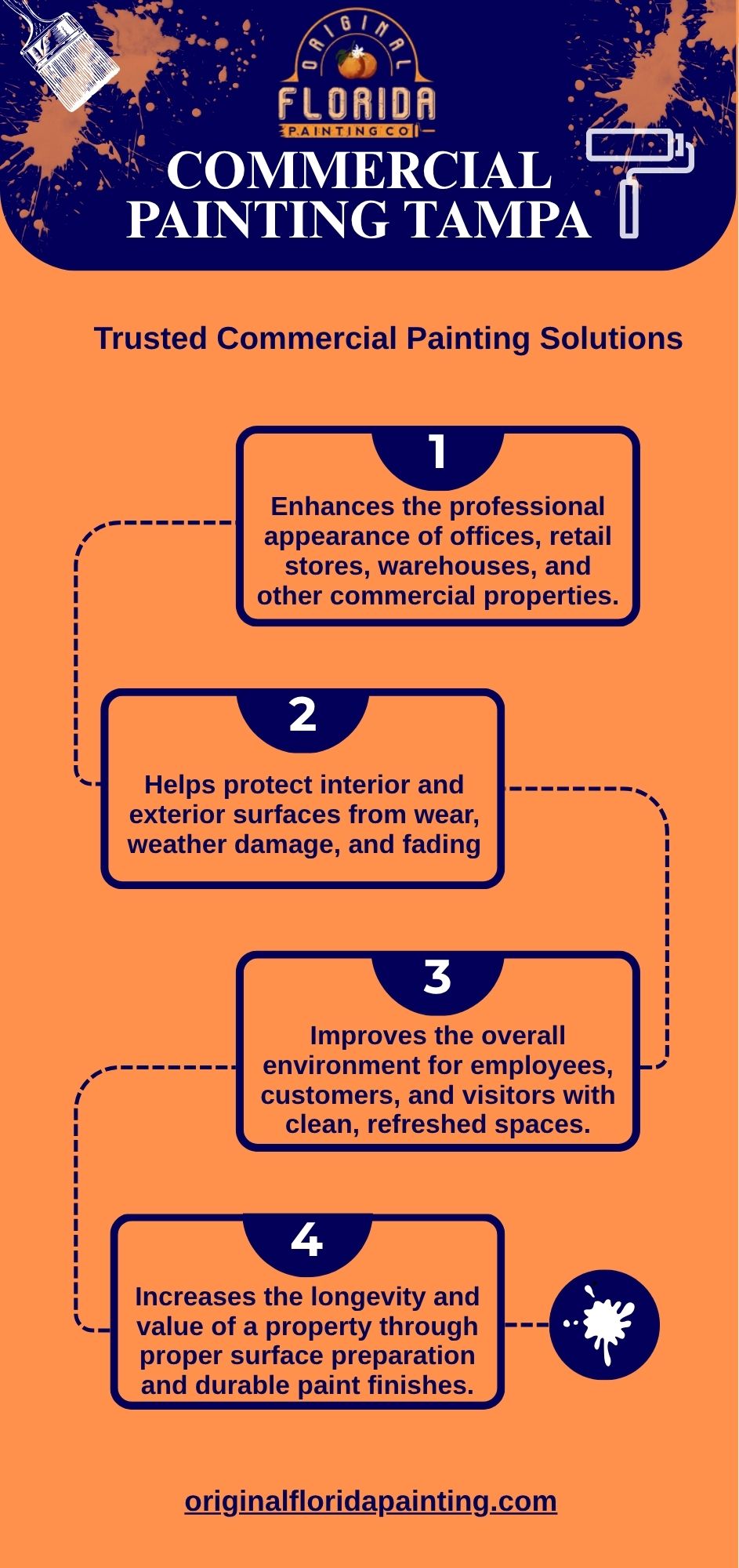
A well-maintained commercial property creates a positive first impression while also protecting the building from daily wear and environmental damage. Commercial painting Tampa projects involve much more than applying a fresh coat of paint. They require careful planning, proper surface preparation, suitable materials, and an understanding of the local climate to achieve durable, professional-looking results.
Why Commercial Painting Matters
Commercial buildings experience constant exposure to sunlight, humidity, rainfall, heavy foot traffic, and routine business operations. Over time, these factors can affect the appearance and condition of painted surfaces.
A quality commercial paint job helps maintain the property's value while supporting a cleaner and more welcoming environment. Whether the building is an office, retail store, healthcare facility, educational institution, warehouse, or hospitality venue, properly maintained paint contributes to both aesthetics and protection.
Beyond appearance, paint acts as a protective barrier against moisture, dirt, and everyday wear. Routine repainting also provides an opportunity to inspect walls and exterior surfaces for potential maintenance issues before they become larger problems.
Understanding the Scope of Commercial Painting
Commercial painting differs from residential projects because the scale, scheduling, and materials often require additional planning.
Typical commercial painting projects may include:
Office buildings
Retail shopping centers
Restaurants
Medical clinics
Schools and educational facilities
Hotels
Warehouses
Manufacturing facilities
Apartment complexes
Government buildings
Each property has unique requirements depending on its purpose, occupancy, and level of daily activity.
Interior Commercial Painting Considerations
Interior painting requires balancing appearance with durability. Different rooms may require different paint formulations depending on how they are used.
Important considerations include:
Surface preparation before painting
Selecting washable finishes for high-traffic areas
Low-odor or low-VOC products for occupied buildings
Moisture-resistant coatings for kitchens and restrooms
Durable finishes for hallways and common areas
Proper preparation often determines how long the finish will last. Cleaning, patching, sanding, and priming surfaces help improve paint adhesion and create a smoother final appearance.
Exterior Painting Challenges in Florida
Florida's climate presents unique challenges for commercial properties.
Constant UV exposure, humidity, salt air near coastal areas, and seasonal storms can gradually break down exterior coatings.
Property owners often consider:
UV-resistant paints
Mildew-resistant coatings
Waterproofing primers
Weather-resistant exterior finishes
Flexible coatings that tolerate temperature changes
Regular maintenance helps extend the life of exterior paint while protecting the underlying building materials.
Planning a Commercial Painting Project
Successful painting projects begin with detailed planning rather than simply selecting a paint color.
Planning typically includes:
Property inspection
Surface condition assessment
Repair identification
Material selection
Project scheduling
Safety planning
Weather considerations for exterior work
Businesses often schedule painting during slower operating periods to reduce disruptions to employees and customers.
Communication between property managers, contractors, and occupants helps projects move efficiently.
Choosing Appropriate Paint Finishes
Different finishes serve different purposes throughout commercial buildings.
Common options include:
Flat Finish
Often used for ceilings and low-traffic areas because it minimizes surface imperfections.
Eggshell Finish
Provides a slight sheen while remaining relatively easy to clean.
Satin Finish
Suitable for moderate-traffic environments where durability and appearance are equally important.
Semi-Gloss
Frequently selected for trim, doors, kitchens, and bathrooms because it resists moisture and cleans easily.
Gloss Finish
Offers maximum durability but also highlights surface imperfections, making preparation especially important.
Working With Commercial Painters in Tampa
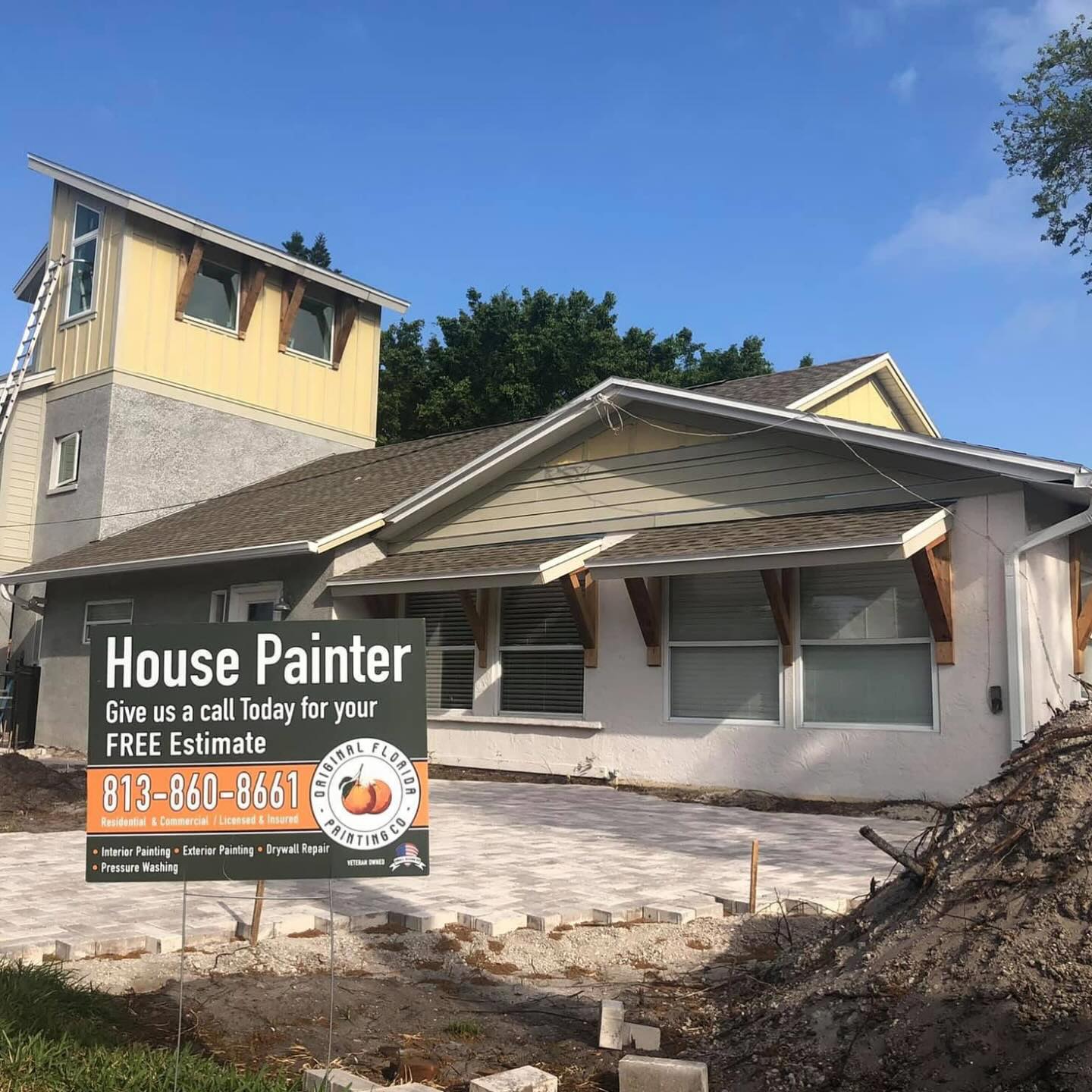
Selecting experienced Commercial Painters in Tampa involves more than comparing estimates. Property managers often evaluate experience with similar facilities, project scheduling capabilities, safety practices, surface preparation methods, and knowledge of commercial-grade coatings.
A professional approach usually includes detailed planning, clear communication, proper equipment, and attention to minimizing disruptions during business hours. Reviewing previous projects and discussing timelines can also help establish realistic expectations before work begins.
Surface Preparation Makes the Difference
Preparation is one of the most important stages of any commercial painting project.
Common preparation steps include:
Pressure washing exterior surfaces
Removing peeling paint
Repairing drywall damage
Filling cracks
Sanding rough surfaces
Priming repaired areas
Protecting nearby equipment and flooring
Skipping preparation may reduce project costs initially but often shortens the lifespan of the finished paint system.
Color Selection for Commercial Spaces
Color choices influence both appearance and functionality.
Many businesses choose colors based on:
Brand consistency
Customer experience
Employee comfort
Building architecture
Lighting conditions
Maintenance requirements
Neutral tones remain popular because they provide flexibility for future renovations while maintaining a professional appearance.
Some organizations also incorporate accent colors to highlight architectural features or improve wayfinding throughout larger facilities.
Safety During Commercial Painting
Commercial painting often involves working around employees, customers, and valuable equipment.
Safety measures commonly include:
Clearly marked work zones
Protective coverings
Proper ventilation
Ladder and lift safety
Personal protective equipment
Compliance with workplace safety standards
Careful planning reduces potential hazards while allowing business operations to continue whenever possible.
Common Signs a Building Needs Repainting
Several visible indicators suggest that repainting may be necessary.
These include:
Peeling paint
Cracking or blistering
Mold or mildew stains
Water damage
Fading colors
Chalking on exterior walls
Surface discoloration
Rust stains around metal components
Addressing these issues early often prevents more extensive maintenance later.
Sustainability in Commercial Painting
Many organizations now consider environmentally responsible painting practices.
These may include:
Low-VOC paints
Proper disposal of leftover materials
Recycling paint containers
Efficient application methods
Durable coatings that reduce repainting frequency
Sustainable practices help reduce environmental impact while supporting healthier indoor environments.
Factors That Influence Project Costs
Commercial painting costs vary depending on several factors rather than square footage alone.
Important considerations include:
Building size
Surface condition
Number of coats required
Accessibility
Paint quality
Required repairs
Project timeline
Interior versus exterior work
Equipment needs
Detailed project assessments provide a more accurate understanding of expected costs.
Long-Term Maintenance After Painting
Regular maintenance helps maximize the lifespan of commercial paint.
Building owners can extend results by:
Cleaning painted surfaces periodically
Addressing moisture problems quickly
Repairing minor damage promptly
Inspecting exterior walls annually
Touching up small areas before widespread deterioration develops
Preventive maintenance often reduces long-term repair expenses while keeping commercial properties looking well maintained.
A successful Commercial painting Tampa project combines careful planning, thorough preparation, appropriate material selection, and ongoing maintenance. From protecting exterior surfaces against Florida's climate to improving the appearance of interior spaces, commercial painting contributes to both the functionality and longevity of business properties.
Understanding the planning process, choosing suitable coatings, and recognizing the importance of surface preparation can help property owners make informed decisions when maintaining commercial buildings. Regular inspections and timely repainting also support a safer, cleaner, and more professional environment for employees, customers, and visitors alike.
Originalfloridapainting
Comments
Log in or sign up to join the conversation.