

Global CNG Cylinders Market: Growth, Trends, Drivers and Future Outlook
The Global CNG Cylinders Market is gaining momentum as governments, transportation companies, and vehicle manufacturers increasingly focus on cleaner fuels, lower operating costs, and reduced transportation-related emissions. Compressed natural gas (CNG) has emerged as an important alternative fuel for vehicles, particularly in regions seeking practical solutions to improve air quality while reducing dependence on conventional petrol and diesel.
According to TechSci Research report, “CNG Cylinders Market – Global Industry Size, Share, Trends, Competition Forecast & Opportunities, 2031F”, The Global CNG Cylinders Market will grow from USD 2.22 Billion in 2025 to USD 3.15 Billion by 2031 at a 6.01% CAGR.
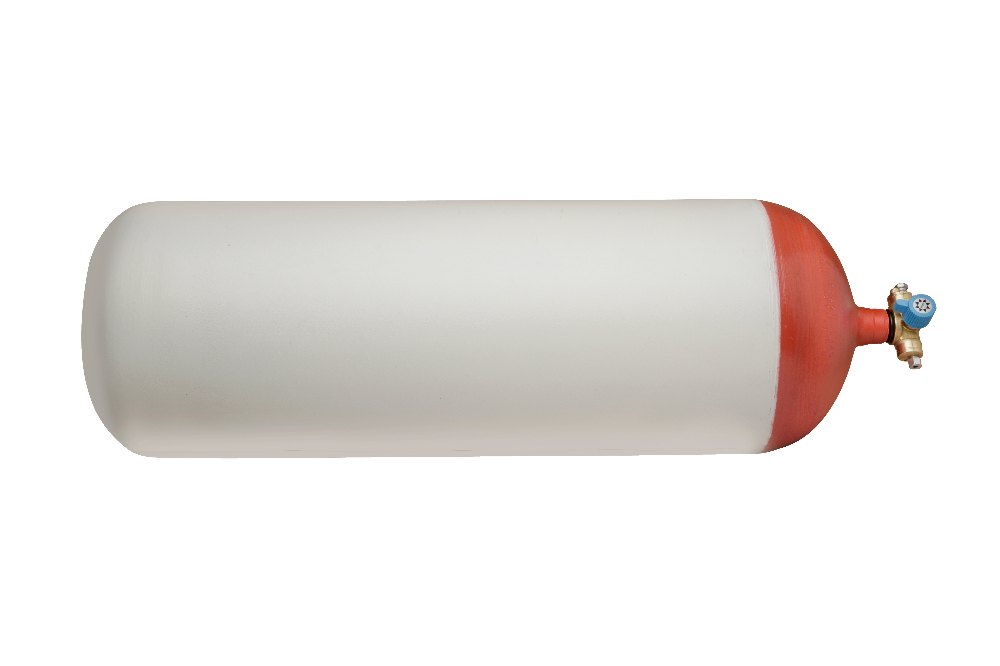
CNG cylinders are essential components of CNG-powered transportation systems because they safely store compressed natural gas at high pressure. As vehicle manufacturers and fleet operators expand their use of CNG, demand is increasing for cylinders that offer high strength, lighter weight, durability, safety, and longer service life.
The transition toward cleaner transportation is particularly important in densely populated urban areas where commercial fleets, buses, and delivery vehicles contribute significantly to air pollution. CNG can provide an economical pathway toward lower-emission transportation, creating opportunities for cylinder manufacturers and supporting technology providers.
Industry Key Highlights
The Global CNG Cylinders Market is expected to grow from USD 2.22 Billion in 2025 to USD 3.15 Billion by 2031.
The market is projected to expand at a 6.01% CAGR during the forecast period.
Commercial vehicles held the largest market share in 2023 by vehicle type.
Europe is the fastest-growing regional market.
Increasing emissions regulations are encouraging the transition from conventional fuels toward cleaner alternatives.
Government incentives are supporting CNG vehicle adoption and infrastructure development.
Composite materials such as glass fiber and carbon fiber are enabling lighter and more advanced cylinder designs.
Growing CNG infrastructure is improving the practicality of CNG-powered transportation.
Fleet operators benefit from lower fuel expenditure and potentially reduced maintenance costs.
Request For Sample Copy of Report For More Detailed Market insight
Main Drivers
Stringent Environmental Regulations
Increasing environmental regulations are among the most important factors driving the CNG cylinders industry. Governments across different countries are introducing stricter emissions standards to reduce air pollution and limit greenhouse gas emissions from transportation.
CNG generally burns more cleanly than petrol and diesel, producing lower levels of certain pollutants, including nitrogen oxides and particulate matter, while also offering lower carbon dioxide emissions in many applications.
These characteristics make CNG particularly attractive for urban transportation systems where air-quality improvement is a major priority.
As regulations become more demanding, automotive manufacturers and fleet operators are evaluating alternative fuels capable of meeting environmental requirements without compromising vehicle performance. This transition is directly increasing the need for reliable CNG storage cylinders.
Growing Adoption of Cleaner Transportation
The global shift toward cleaner transportation is encouraging governments and businesses to diversify fuel sources.
Although battery-electric and other alternative powertrains are expanding, CNG remains an established option for applications where vehicle range, refueling time, infrastructure availability, and operating economics are important considerations.
CNG-powered buses, trucks, taxis, delivery vehicles, and other fleet applications can benefit from the fuel's relatively low operating cost and established refueling technologies.
The growth of these vehicle categories consequently creates additional demand for high-quality cylinders capable of safely storing compressed gas.
Cost Advantages for Commercial Fleets
Commercial vehicle operators typically accumulate significantly higher mileage than private vehicle owners, making fuel costs an important component of their total operating expenditure.
CNG can provide substantial fuel-cost savings compared with conventional gasoline or diesel in markets where natural gas is competitively priced. CNG engines may also experience reduced deposits and wear because of cleaner combustion.
The combined potential for lower fuel and maintenance costs can improve the economics of CNG adoption, particularly for buses, trucks, and delivery fleets operating on predictable routes.
Government Incentives and Infrastructure Development
Governments are supporting alternative-fuel adoption through measures such as tax incentives, subsidies, infrastructure funding, and other financial benefits.
These initiatives can lower the upfront cost of switching commercial fleets to CNG while encouraging the construction of refueling stations.
As CNG infrastructure becomes more accessible, concerns related to fuel availability decline, making CNG vehicles more attractive to fleet operators and consumers.
Emerging Trends
Shift Toward Lightweight Composite Cylinders
One of the most important technological developments in the CNG cylinders industry is the increasing use of advanced composite materials.
Traditional metal cylinders remain widely used, but composite designs can significantly reduce weight while maintaining the required strength and pressure resistance.
Glass fiber and carbon fiber are being incorporated into newer cylinder designs to improve weight efficiency and durability. Lighter cylinders can reduce the overall vehicle weight, potentially improving fuel economy and increasing usable payload capacity for commercial vehicles.
Growth of Type 3 and Type 4 Cylinders
CNG cylinders are evolving from conventional all-metal designs toward advanced composite-based configurations.
Type 1 cylinders are manufactured entirely from metal, while Type 2 cylinders combine a metal liner with a reinforced hoop-wrapped structure. Type 3 cylinders use a metal liner with extensive composite reinforcement, whereas Type 4 cylinders generally feature a non-metallic liner surrounded by composite material.
Type 3 and Type 4 technologies are gaining attention because of their lightweight characteristics and potential advantages in transportation applications.
Expansion of Digital Monitoring
Digital technologies are increasingly being considered for improving the monitoring and management of CNG storage systems.
Sensors and monitoring technologies can potentially track parameters such as pressure, temperature, usage patterns, and cylinder condition.
Digital monitoring can support preventive maintenance and improve operational visibility, particularly in large commercial fleets where many vehicles and cylinders need to be managed simultaneously.
Increasing Focus on Cylinder Safety
Safety remains a fundamental consideration because CNG is stored under high pressure.
Manufacturers are therefore investing in improved materials, manufacturing processes, testing procedures, pressure-management technologies, and protective systems.
Advancements in material science are helping manufacturers develop cylinders that balance high pressure resistance with lower weight and extended service life.
Expansion of CNG Refueling Networks
The availability of convenient refueling infrastructure is becoming increasingly important for CNG market development.
Governments, energy companies, and private infrastructure developers are expanding filling-station networks in areas with growing CNG vehicle populations.
Greater station availability can create a positive feedback cycle: more infrastructure encourages vehicle adoption, while a larger vehicle population improves the commercial case for additional stations.
Competitive Analysis
Luxfer Gas Cylinders
Hexagon Composites ASA
Faber Industrie SpA
NPROXX B.V.
Everest Kanto Cylinder Limited
Linde plc
Beijing Tianhai Industrial Co., Ltd
ELAFLEX US Inc
Customers can also request 10% free customization on this report.
Segmentation
The Global CNG Cylinders Market can be segmented based on Type, Raw Material, Vehicle Type, and Region.
By Type
Type 1 CNG Cylinders
Type 2 CNG Cylinders
Type 3 CNG Cylinders
Type 4 CNG Cylinders
The different cylinder categories vary according to their construction, liner materials, reinforcement methods, weight, and manufacturing technology.
By Raw Material
Metals
Glass Fiber
Carbon Fiber
Metal remains an established material for conventional cylinder manufacturing, while glass fiber and carbon fiber are increasingly important for lightweight composite designs.
Carbon fiber-based solutions can provide significant weight advantages, making them particularly attractive for applications where vehicle weight and payload capacity are critical.
By Vehicle Type
Passenger Vehicles
Commercial Vehicles
Commercial vehicles held the largest market share in 2023.
The segment benefits from high annual mileage, fuel-cost sensitivity, centralized refueling, and increasing pressure to reduce fleet emissions. Buses, delivery vehicles, trucks, and other commercial fleets can gain meaningful economic benefits from CNG adoption.
Government incentives targeting fleet modernization and cleaner transportation are further supporting this segment.
By Region
North America
Europe
Asia Pacific
South America
Middle East & Africa
Europe is the fastest-growing region in the Global CNG Cylinders Market.
The region's growth is supported by stringent environmental regulations, increasing awareness of air pollution, investments in alternative-fuel infrastructure, and technological advancements in CNG storage systems.
European governments and businesses are increasingly focused on reducing transportation emissions, creating opportunities for CNG as part of the broader alternative-fuel ecosystem.
At the same time, improvements in cylinder technology are making CNG systems lighter, stronger, and more efficient. The expansion of refueling infrastructure is further strengthening consumer and fleet confidence.
4 Frequently Asked Questions
1. What is the size of the Global CNG Cylinders Market?
The Global CNG Cylinders Market is projected to grow from USD 2.22 Billion in 2025 to USD 3.15 Billion by 2031.
2. What is the expected CAGR of the Global CNG Cylinders Market?
The market is expected to expand at a 6.01% CAGR during the forecast period.
3. Which vehicle type dominates the CNG Cylinders Market?
Commercial vehicles held the largest market share in 2023, supported by high fuel consumption, operating-cost considerations, centralized fleet infrastructure, and increasing emissions requirements.
4. Which region is growing fastest in the Global CNG Cylinders Market?
Europe is the fastest-growing region, supported by environmental regulations, clean-fuel initiatives, technological advancements, and expanding CNG refueling infrastructure.
Contact US:
Techsci Research LLC
420 Lexington Avenue, Suite 300,
New York, United States- 10170
Tel: +13322586602
Email: [email protected]
Comments
Log in or sign up to join the conversation.