
Learn the causes, warning signs, and prevention tips for CNC tool wear to improve machining accuracy, reduce downtime, and extend tool life efficiently today.
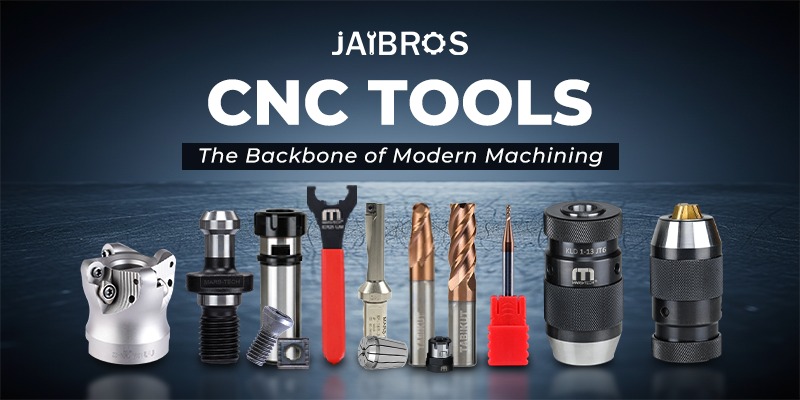
CNC Tool Wear: Causes, Signs, and Prevention Tips
Today’s modern manufacturing industries require precision machining to be productive and efficient in their work. An effective cnc tool will enable industries to undertake cutting, drilling, and shaping operations effectively. Over time, however, machining stress, temperature, and friction will have adverse impacts on machine performance and cause wear problems. Ignoring the wear problem will have negative implications for machining accuracy and cost of maintenance.
In this regard, companies that run their manufacturing process through machines understand that proper maintenance and monitoring are necessary to boost their efficiency. Proper machining environment, sufficient cooling, and inspection are essential in guaranteeing smooth machining. Familiarity with the causes of wear and its effects can help boost productivity and machine life expectancy.
Common Causes of Tool Wear
Several factors contribute to wear during machining operations. Excessive cutting speed and incorrect feed rate are among the most common reasons because they increase pressure on the cutting edge. High temperature generated during machining also weakens the edge and reduces durability over time.
Major causes include:
Continuous friction during cutting
Poor coolant flow and lubrication
Improper feed and spindle speed
Hard metal surfaces creating extra stress
Excessive vibration during operation
A loose cnc tool holder may also create instability during machining. Vibration reduces surface finish quality and increases stress on the cutting edge. Stable clamping conditions are extremely important for improving machining accuracy and operational life.
Different Types of Wear in Machining
Different machining conditions create different wear patterns. Some forms develop slowly, while others may damage the edge suddenly during heavy operations.
Common wear types are:
Flank wear – develops because of continuous contact with the workpiece
Crater wear – appears due to high heat and chip pressure
Built-up edge – material sticks to the cutting surface
Edge chipping – caused by vibration and interrupted cutting
Thermal cracking – develops from repeated heating and cooling cycles
Industries operating advanced cnc machine tools regularly inspect wear patterns to avoid production delays and maintain machining consistency.
Warning Signs Operators Should Notice
Early identification of wear helps industries reduce repair costs and prevent downtime. Operators should monitor machining conditions carefully because small performance changes often indicate developing problems.
Common warning signs include:
Rough surface finish on components
Increased vibration during operation
Unusual cutting noise
Excessive heat generation
Dimensional inaccuracies in finished products
When these signs appear, inspection becomes necessary to avoid major machining failure. Production facilities working with different cnc tool types often maintain preventive maintenance schedules for smoother operations and better productivity.
Prevention Tips for Longer Operational Life
Proper maintenance practices significantly improve machining performance and reduce wear-related problems. Industries that follow preventive methods usually achieve better productivity and lower operational costs.
Important prevention methods:
Use recommended cutting speed and feed rate
Maintain proper coolant flow during machining
Inspect cutting edges regularly
Reduce vibration through stable setup
Replace damaged tools before complete failure
Using a high-quality carbide cutter also improves wear resistance during heavy machining operations. Modern coated designs provide better heat resistance and smoother cutting performance in industrial applications.
A properly tightened cnc tool holder improves machining stability and minimizes unnecessary movement during operation. Balanced setup conditions help reduce edge damage and improve surface finish quality.
Importance of Correct Tool Selection
Choosing the correct tooling system is essential for efficient machining performance. Different materials require different coatings, geometries, and cutting conditions for achieving accurate results.
Proper selection helps in:
Improving dimensional accuracy
Enhancing surface finish quality
Reducing heat generation
Increasing operational efficiency
Lowering maintenance expenses
Industries compare different cnc tool types depending on roughing, drilling, milling, and finishing applications. Proper selection improves chip removal and supports stable machining conditions during production.
Modern workshops using cnc machine tools also rely on trained operators and inspection systems for maintaining production quality. Skilled machinists understand how cutting conditions affect performance and help reduce unexpected failures during machining.
A durable carbide cutter combined with proper maintenance practices can significantly improve productivity and reduce operational downtime in manufacturing industries.
Role of Maintenance in Reducing Wear
Regular maintenance is one of the most effective ways to improve machining efficiency. A properly maintained cnc tool performs more accurately and provides better cutting consistency during long production cycles. Industries that focus on inspection routines often experience lower downtime and improved machining stability.
Maintenance practices include:
Cleaning chips after machining operations
Checking edge condition regularly
Monitoring coolant quality
Maintaining machine alignment
Inspecting vibration levels frequently
Preventive maintenance also protects expensive machine components from unnecessary damage. A properly monitored cnc tool helps maintain production quality and supports long-term operational efficiency in industrial workshops.
Conclusion
Wear management plays a significant role in current machining operations due to its direct impact on productivity, machining quality, and operating costs. All types of cnc tools perform optimally when industries follow proper maintenance procedures, use suitable coolant systems, and maintain accurate machine setup conditions. Early identification of wear helps reduce downtime and improves machining efficiency during production operations. Jaibros also supports modern industries by providing reliable machining solutions and practical knowledge for better operational performance.
FAQs
1. What is the main reason behind tool wear?
Heat, friction, vibration, and incorrect cutting parameters are the main reasons behind wear during machining.
2. How can operators identify early wear signs?
Poor surface finish, unusual sound, vibration, and excessive heat are common warning signs.
3. Why is coolant important in machining?
Coolant helps control heat, reduce friction, and improve chip removal during cutting operations.
4. How does proper setup improve machining performance?
A stable setup reduces vibration and improves cutting accuracy during machining operations.
5. Why is regular maintenance necessary?
Regular maintenance helps prevent sudden failures and improves machining efficiency for long-term productivity.
Comments
Log in or sign up to join the conversation.