
Explore why CNC tool quality improves precision, productivity, and cost savings. Learn about carbide drills, thread mills, and top CNC solutions.
Boost Productivity and Precision with High-Quality CNC Tools
Introduction
In today’s fast-paced manufacturing industry, precision, efficiency, and consistency are essential for maintaining a competitive edge. Whether producing automotive components, aerospace parts, medical devices, or industrial equipment, the quality of every machining operation depends heavily on the tools being used. A high-quality CNC tool not only improves production accuracy but also reduces downtime, minimizes waste, and extends machine life.
As industries continue to adopt advanced automation and smart manufacturing technologies, investing in premium cutting solutions has become more important than ever. Manufacturers are increasingly looking for reliable suppliers, researching CNC tools online, and searching for CNC tools near me to ensure they have access to dependable equipment that meets production demands.
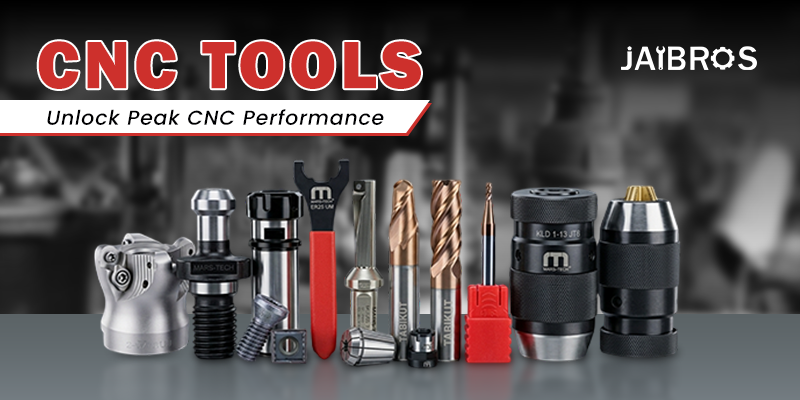
Understanding CNC Tool Performance
The performance of a CNC machining setup depends on several factors, including spindle speed, feed rate, material selection, machine calibration, and tool quality. Even the most advanced machine cannot deliver optimal results if the cutting instrument lacks durability or precision.
A premium CNC tool is engineered with superior materials and manufacturing standards that enable cleaner cuts, tighter tolerances, and longer service life. Poor-quality alternatives often wear out quickly, leading to dimensional inaccuracies, increased scrap rates, and costly machine downtime.
When manufacturers prioritize quality, they experience smoother production cycles, reduced maintenance costs, and improved customer satisfaction.
Why Quality Matters More Than Ever
1. Higher Precision Requirements
Modern industries demand micron-level accuracy. Aerospace and medical manufacturers, in particular, cannot afford deviations in dimensions. Premium tooling ensures exceptional repeatability across production batches.
A quality CNC tool maintains edge sharpness for longer periods, allowing operators to achieve consistent results without frequent replacements or recalibration.
2. Increased Productivity
Downtime directly impacts profitability. Inferior cutting tools require frequent changes, causing production interruptions.
High-performance tooling allows longer machining cycles, enabling manufacturers to maximize machine utilization and improve overall operational efficiency.
3. Lower Manufacturing Costs
Although premium tooling may require a higher upfront investment, the long-term savings are significant. Better wear resistance reduces replacement frequency while minimizing scrap and rework expenses.
Choosing the right CNC tool ultimately lowers the cost per component produced.
4. Better Surface Finish
Surface quality often determines whether a component passes quality inspection. Sharp cutting edges produce smoother finishes, reducing secondary finishing operations and improving overall product quality.
5. Enhanced Machine Protection
Low-quality tools generate excessive vibration and heat, placing unnecessary stress on machine spindles and bearings. Superior tooling helps protect expensive CNC equipment while extending machine lifespan.
Different Types of CNC Machine and Their Tool Requirements
Understanding the types of CNC machine tool available helps manufacturers select appropriate tooling solutions for various applications.
CNC Milling Machines
Used for cutting, drilling, and contouring complex shapes with rotating cutters.
CNC Lathes
Ideal for cylindrical components where the workpiece rotates while cutting tools remain stationary.
CNC Routers
Commonly used for wood, plastics, and composite materials in furniture and signage production.
CNC Plasma Cutters
Designed for precision cutting of conductive metals using plasma arcs.
CNC Laser Machines
Utilize focused laser beams for intricate cutting and engraving applications.
CNC Grinding Machines
Deliver high-precision finishing and surface refinement for hardened materials.
Each machine type requires specialized tooling to maximize productivity and maintain machining accuracy.
Selecting the Best CNC Tools for Your Workshop
Finding the best CNC tools requires evaluating multiple factors beyond price.
Material Compatibility
Different materials demand different cutting solutions. Aluminum, steel, titanium, and composites each require specific geometries and coatings.
Tool Coating
Modern coatings such as TiN, TiAlN, and DLC improve wear resistance and reduce friction during machining.
Rigidity
Rigid tools minimize vibration and chatter, resulting in cleaner cuts and improved dimensional accuracy.
Heat Resistance
High-speed machining generates significant heat. Premium tools maintain hardness at elevated temperatures, preserving cutting performance.
Manufacturer Reputation
Reliable manufacturers invest heavily in precision engineering and quality control to ensure consistent performance.
Choosing the right CNC tool based on these criteria significantly improves machining efficiency.
The Importance of Carbide Drill Technology
Among modern cutting solutions, the carbide drill has become an industry standard due to its exceptional hardness and wear resistance.
Compared to high-speed steel alternatives, carbide drills offer:
Longer operational life
Faster cutting speeds
Better hole accuracy
Improved heat resistance
Reduced tool deflection
Manufacturers working with hardened steels or abrasive materials particularly benefit from carbide technology because it delivers consistent results even under demanding conditions.
Thread Mill: Precision Threading for Modern Manufacturing
The thread mill has transformed threading operations by offering greater flexibility than conventional taps.
Advantages include:
Ability to produce multiple thread sizes
Reduced risk of tool breakage
Better chip evacuation
Improved thread quality
Easier correction of machining errors
For high-value components where precision is essential, thread milling provides significant advantages in both productivity and reliability.
Why Digital Measurement Matters
Accurate machining depends not only on cutting but also on precise inspection.
The digital caliper vernier has become an indispensable measuring instrument because it provides:
Quick digital readings
High measurement accuracy
Easy conversion between metric and imperial units
Reduced human reading errors
Efficient quality control
Integrating digital measurement into machining workflows helps maintain consistency throughout production.
Buying CNC Tools Online vs Local Suppliers
Today's buyers often compare purchasing options between CNC tools online and local distributors.
Benefits of Online Purchasing
Wider product selection
Easy comparison of specifications
Competitive pricing
Convenient ordering
Access to customer reviews
Benefits of Local Suppliers
Many professionals still search for CNC tools near me because local vendors provide immediate availability, technical consultation, and faster replacement during emergencies.
The ideal procurement strategy often combines both online sourcing and trusted local partnerships.
Common Mistakes When Choosing CNC Tooling
Many businesses unintentionally reduce productivity by making poor tooling decisions.
Common mistakes include:
Selecting tools based solely on price
Ignoring material compatibility
Using worn tools beyond recommended limits
Overlooking coating requirements
Neglecting preventive maintenance
A properly selected CNC tool delivers better performance and significantly reduces long-term operational costs.
The Future of CNC Tool Performance
Advancements in manufacturing continue to reshape tooling technology.
Emerging innovations include:
AI-assisted tool monitoring
Smart sensors for wear detection
Advanced nano-coatings
Optimized carbide compositions
Digital production integration
Manufacturers embracing these technologies gain better process control and higher production efficiency while maintaining exceptional quality standards.
Conclusion
As manufacturing standards continue to rise, investing in quality tooling has become a strategic necessity rather than an optional expense. A reliable CNC tool enhances precision, increases productivity, lowers operational costs, and protects expensive machinery from unnecessary wear.
Businesses that prioritize superior cutting solutions, modern inspection equipment, and specialized technologies such as carbide drilling and thread milling position themselves for long-term success in an increasingly competitive market.
For companies looking for dependable industrial tooling solutions, Jaibros stands out as a trusted partner offering a comprehensive range of precision-engineered products designed to meet modern manufacturing demands. From cutting tools and measuring instruments to advanced machining accessories, Jaibros focuses on delivering quality, reliability, and performance that help businesses achieve greater efficiency and consistent production excellence.
FAQs
1. Why is tool quality important in CNC machining?
High-quality tools provide better accuracy, longer life, reduced downtime, and improved surface finish, resulting in lower production costs.
2. What are the major types of CNC machine?
Common types include CNC milling machines, CNC lathes, CNC routers, CNC plasma cutters, CNC laser machines, and CNC grinding machines.
3. Why should manufacturers use carbide drills?
Carbide drills offer superior hardness, faster cutting speeds, excellent heat resistance, and longer service life compared to conventional drills.
4. What advantages does a thread mill provide over tapping?
Thread mills reduce breakage risk, improve thread quality, support multiple thread sizes, and offer better chip evacuation.
5. Should I buy CNC tools online or from local suppliers?
Both options have benefits. Online purchasing offers variety and competitive pricing, while local suppliers provide faster support and immediate availability during urgent production needs.
Comments
Log in or sign up to join the conversation.