

Learn the best CNC tool maintenance practices to extend tool life, reduce wear, prevent downtime, and improve machining accuracy and production efficiency.
Best Practices for CNC Tool Maintenance and Longer Tool Life
In modern manufacturing, machining accuracy and productivity depend heavily on the condition of cutting equipment. Proper maintenance can help reduce unexpected tool failures, improve surface finish, and control production costs. Whether a workshop uses drilling, milling, threading, or turning operations, maintaining cutting equipment should be part of the regular production routine.
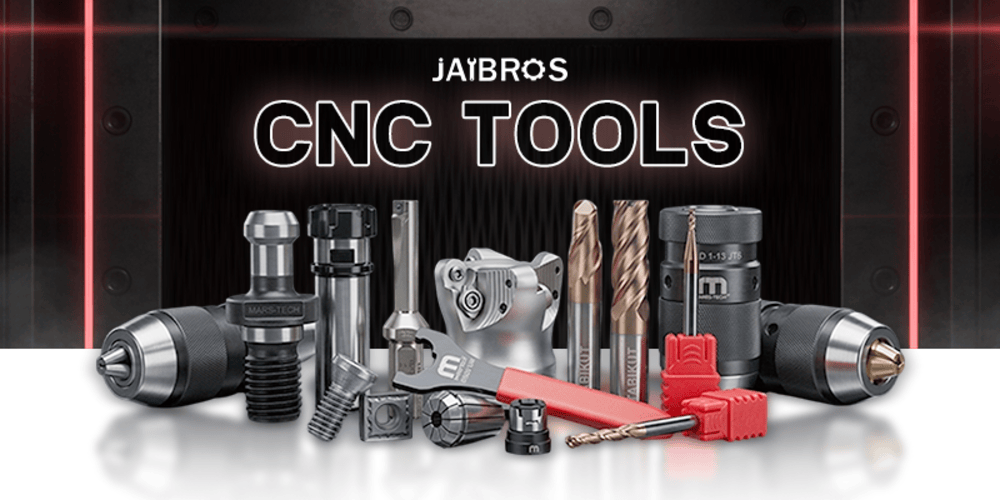
A CNC tool can experience wear because of heat, friction, vibration, chips, and continuous cutting forces. Without proper care, even a high-quality tool may lose its performance much earlier than expected. A structured maintenance routine helps manufacturers get better value from their equipment while maintaining consistent machining results.
Why Tool Maintenance Matters
Cutting tools operate under demanding conditions. During machining, the cutting edge is exposed to high temperatures and mechanical stress. Over time, these conditions can cause edge wear, chipping, deformation, or breakage.
Regular maintenance allows operators to identify early warning signs before they become major problems. It can also help maintain dimensional accuracy and reduce the number of rejected components.
Extending tool life provides several benefits, including:
Lower replacement costs
Reduced machine downtime
More consistent machining
Improved surface finish
Better dimensional accuracy
Increased production efficiency
1. Clean Tools After Machining
One of the simplest maintenance practices is proper cleaning. Metal chips, coolant residue, dust, and other contaminants can remain on cutting equipment after machining.
These particles may interfere with tool holders, cutting edges, or measurement surfaces. After an operation, remove chips carefully and clean the equipment using an appropriate method recommended for the material and application.
Avoid handling sharp cutting edges carelessly. Proper cleaning protects both the equipment and the operator.
2. Inspect Cutting Edges Regularly
Visual inspection should be part of every maintenance routine. Look for signs such as edge chipping, cracks, excessive wear, discoloration, or unusual damage.
A small amount of wear may be normal, but sudden changes can indicate incorrect cutting parameters, insufficient coolant, excessive vibration, or an unsuitable tool for the workpiece.
For example, a carbide drill should be inspected for chipped edges and abnormal wear after repeated drilling operations. Identifying these problems early can prevent unexpected breakage during production.
3. Use the Correct Cutting Parameters
Incorrect cutting speed, feed rate, and depth of cut can significantly reduce tool life. Excessive cutting conditions may generate unnecessary heat and stress, while unsuitable parameters can produce poor surface finishes.
Operators should follow manufacturer recommendations whenever possible and adjust parameters according to the workpiece material, machine capability, tool geometry, and machining operation.
The types of CNC machine being used can also influence the appropriate machining conditions. A parameter that works well on one machine may not provide the same result on another.
4. Maintain Proper Coolant and Lubrication
Heat is one of the major causes of cutting-edge deterioration. Appropriate coolant or lubrication can help control temperature and improve chip evacuation.
Check coolant levels regularly and make sure the delivery system is functioning correctly. Contaminated or improperly maintained coolant can negatively affect machining performance.
The correct coolant method depends on the operation, workpiece material, tool type, and machine configuration.
5. Check Tool Holders and Clamping
Even a high-quality cutting product cannot perform properly if it is held incorrectly. Tool holders should be inspected for contamination, damage, runout, and wear.
The tool must be securely clamped without excessive force or improper alignment. Poor clamping can increase vibration and cause uneven cutting-edge wear.
Before every important machining operation, check that the tool and holder are clean and properly positioned.
6. Store Tools Properly
Proper storage is another important part of maintenance. Cutting products should be kept in a clean, dry, and organized environment.
Avoid placing sharp tools loosely together, as contact between cutting edges can cause chips or damage. Individual compartments, protective cases, or suitable storage racks can help prevent accidental contact.
Tools that are exposed to moisture may also develop corrosion, depending on their material and coating.
7. Monitor Tool Wear
Tool wear should be monitored rather than waiting until complete failure occurs. Operators can record the number of components machined, cutting time, inspection results, and replacement intervals.
This information can help identify patterns and establish appropriate replacement schedules.
For threading applications, a thread mill should be monitored for changes in cutting performance, thread quality, and edge condition. Replacing a worn tool at the right time can prevent expensive component defects.
8. Use Measurement Equipment
Accurate measurement helps determine whether machining performance is being maintained. Operators can check finished components regularly for dimensional changes.
A digital caliper vernier can be useful for checking external dimensions, lengths, and other measurements where its accuracy range is appropriate.
Measurement should be performed according to the required tolerances and with properly maintained measuring equipment. Keeping measurement tools clean and calibrated is equally important.
9. Avoid Mixing Different Tool Types
Different machining operations require different cutting geometries and materials. Using a product outside its intended application can lead to premature wear and poor machining results.
For example, a drilling product should be selected for drilling applications, while a thread mill is designed for thread milling. Similarly, a torx screw is a fastening component and should not be confused with a machining cutting product.
Understanding the purpose of each product helps operators make better purchasing and maintenance decisions.
10. Choose Quality Products
Maintenance begins with selecting appropriate products from reliable suppliers. Buyers searching for CNC tools near me or comparing CNC tools online should examine product specifications, material grades, dimensions, coatings, and application recommendations.
When comparing the best CNC tools, consider more than the initial purchase price. Tool life, consistency, compatibility, and technical support can have a significant impact on overall machining costs.
Reliable product information also makes it easier for operators to establish suitable maintenance and replacement schedules.
Common Signs That a Tool Needs Replacement
Knowing when to replace a worn product is essential. Common warning signs include:
Poor surface finish
Increasing cutting forces
Visible edge chipping
Unusual vibration
Dimensional inaccuracies
Excessive heat
Abnormal noise
Increased cycle time
Continuing to use a severely worn product can damage the workpiece or machine and may create safety risks. When significant damage is identified, follow the manufacturer's replacement recommendations.
Create a Regular Maintenance Schedule
A written maintenance schedule can make tool care more consistent. Daily inspections can cover cleaning, visible damage, clamping, and coolant conditions. Weekly or monthly checks can include detailed wear monitoring, holder inspection, and measurement equipment verification.
Maintenance records should include the tool type, machining application, operating conditions, inspection results, and replacement date.
Over time, this information can help manufacturers identify which products provide the best performance and where machining processes can be improved.
Conclusion
Effective maintenance is essential for extending service life, maintaining machining accuracy, and reducing unnecessary production costs. Regular inspection, cleaning, proper storage, suitable cutting parameters, coolant management, and accurate measurement can all contribute to better performance.
Selecting reliable products is equally important. Jaibros offers a range of industrial machining and measurement solutions designed for different manufacturing requirements. From cutting and drilling products to precision measuring equipment, Jaibros helps businesses access dependable solutions for their machining and production needs. Combining suitable products with a consistent maintenance program can help manufacturers improve efficiency, reduce downtime, and achieve more reliable machining results.
Comments
Log in or sign up to join the conversation.