

Discover effective CNC tool lifecycle management strategies to reduce downtime, improve tool performance, and increase machining efficiency.
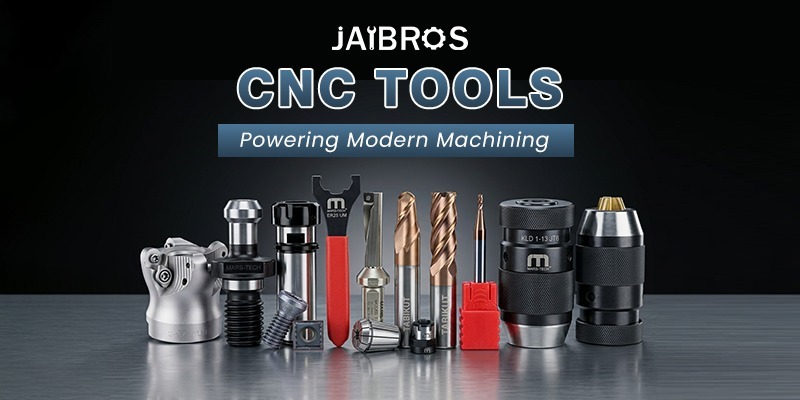
CNC Tool Lifecycle Management Strategies
In modern manufacturing processes, intelligent tooling strategies are vital in ensuring increased productivity, minimizing downtime, and enhancing machining processes. Lifecycle management plays an important role in helping industries ensure proper tool usage and minimize replacement costs during the lifecycle of each part being made. In both small workshops and big production plants, intelligent management of cnc tool is an important factor in ensuring efficient machining processes.
Life cycle management for tools is more than just replacement of used up parts. The process involves aspects such as inspection, storage, scheduling of maintenance activities, monitoring of performance data and other related functions. With the use of intelligent lifecycle processes in tool usage, manufacturers can enjoy consistent output while minimizing downtime. Such strategies also help ensure safe practices while preventing unnecessary costs in machining processes.
Understanding CNC Tool Lifecycle Management
Tool lifecycle management involves the entire process of managing the life of machining tools right from purchasing to disposal. The life of each machining tool used is finite, and over time, there is gradual deterioration of the tool due to continuous machining operations.
A proper lifecycle strategy includes:
Tool inspection before machining
Monitoring wear during operations
Timely replacement planning
Proper storage conditions
Maintenance scheduling
Tool usage data tracking
Inventory optimization
By following these steps, manufacturers can reduce sudden failures and improve overall machining productivity.
Importance of Tool Monitoring in Manufacturing
Continuous monitoring is one of the most important parts of lifecycle management. Operators must regularly check cutting conditions, tool wear, vibration levels, and machining temperatures. Advanced monitoring systems help manufacturers identify issues before serious damage occurs.
Benefits of tool monitoring include:
Reduced machine downtime
Better product quality
Lower maintenance costs
Improved production planning
Increased tool life
Higher operational efficiency
Digital monitoring systems are now commonly used in modern industries to track machining performance in real time. These systems help manufacturers make better decisions regarding replacement schedules and inventory management.
Role of Proper Tool Selection
Tooling selection will largely affect the longevity of tools and the machining process itself. Inappropriate shapes for the tools and inappropriate materials used cause quick wear and nonuniform machining processes. Tool makers need to select their tools according to the hardness of materials and machining speeds.
For instance, a well-chosen chamfer tool will lead to good edge finishing while ensuring that there is no additional pressure on the edges. Another case is choosing a proper insert grade, which will improve heat resistance.
Important factors during tool selection include:
Workpiece material
Cutting speed requirements
Feed rate compatibility
Coolant application
Machine spindle capacity
Tool rigidity
Surface finish expectations
Proper tool selection improves machining stability and extends operational life without increasing production costs.
Preventive Maintenance Strategies
Preventive maintenance plays a major role in maximizing tooling performance. Many industries follow scheduled maintenance programs to inspect and service machining accessories before failure occurs. Regular cleaning, calibration, and alignment checks help maintain consistent production quality.
A properly maintained drill chuck improves gripping accuracy and minimizes vibration during drilling operations. Poor maintenance can result in tool slippage, inaccurate hole dimensions, and premature wear. Regular lubrication and cleaning help maintain stable performance for longer periods.
Key preventive maintenance practices include:
Cleaning tools after machining
Inspecting for cracks or wear
Replacing damaged components
Maintaining proper lubrication
Verifying spindle alignment
Monitoring coolant systems
Calibrating tooling assemblies
These practices help manufacturers avoid sudden breakdowns and costly production interruptions.
Tool Data Management and Tracking
Modern industries increasingly use digital systems to track tool usage and performance history. Tool management software helps manufacturers record cutting hours, replacement schedules, maintenance history, and inventory status.
Advantages of tool data tracking include:
Better inventory control
Accurate replacement planning
Reduced tooling waste
Improved production forecasting
Faster tool identification
Increased operational transparency
Data-driven strategies also help manufacturers compare tooling performance across different machining conditions. This information supports better purchasing decisions and process improvements.
Many companies now use barcode systems and RFID technology to automate tracking processes. These technologies reduce manual errors while improving tool accessibility within production facilities.
Importance of Quality Tool Holders
Tool holders directly affect machining stability and accuracy. Poor-quality holders can increase vibration, reduce cutting precision, and shorten tool life. Selecting reliable holders improves rigidity and enhances machining performance during high-speed operations.
A high-performance bt40 tool holder provides better clamping stability and improved spindle connection for precision machining applications. Stable holding systems reduce runout and support smoother cutting operations under demanding workloads.
Manufacturers should regularly inspect holders for:
Surface damage
Clamping wear
Corrosion
Balance issues
Taper accuracy
Maintaining holders properly ensures consistent machining quality and extends the life of connected cutting tools.
Inventory Optimization and Cost Control
Tool inventory management is another critical part of lifecycle strategies. Excess inventory increases storage costs, while insufficient stock can delay production schedules. Manufacturers must maintain a balanced inventory based on machining demand and replacement frequency.
Effective inventory strategies include:
Tracking tool consumption rates
Maintaining minimum stock levels
Organizing tools by application
Removing obsolete inventory
Standardizing commonly used tools
Some industries also partner with tooling suppliers to improve stock availability and reduce procurement delays. Efficient inventory planning supports uninterrupted production while controlling operational expenses.
Advanced Cutting Materials and Insert Technology
Modern cutting technologies have significantly improved tool durability and machining performance. Advanced coatings and carbide grades provide better heat resistance, wear protection, and cutting stability under high-speed conditions.
Manufacturers often use hadsto inserts in demanding machining operations because of their ability to maintain cutting efficiency under continuous production loads. These advanced insert technologies help improve productivity while reducing replacement frequency.
Important advantages of advanced insert materials include:
Better wear resistance
Improved thermal stability
Higher cutting speeds
Reduced downtime
Enhanced surface finish
Longer operational life
Selecting modern insert technology helps industries maintain consistent machining performance while lowering long-term tooling costs.
Operator Training and Process Standardization
Even the best tooling systems require skilled operators for effective performance. Proper training helps machine operators understand cutting parameters, wear patterns, maintenance practices, and replacement timing.
Standardized operating procedures improve consistency across production teams and reduce avoidable errors. Well-trained operators can identify abnormal cutting conditions early and prevent severe tooling damage.
Training programs should focus on:
Safe tool handling
Wear identification
Correct installation methods
Coolant management
Machine parameter optimization
Maintenance procedures
Skilled operators contribute significantly to improving productivity and extending tool lifespan in manufacturing environments.
Conclusion
A good approach towards managing the entire lifecycle of tools assists manufacturers in ensuring that machining efficiency is high. Every aspect of tool management plays an important part from the use of preventive maintenance to digital monitoring systems. Proper monitoring, inventory management, training of operators, and proper selection of tools all lead to greater efficiency when manufacturing.
Organized tool management ensures that productivity increases, and risk is minimized. Companies such as jaibros keep working hard to ensure that their industrial tooling helps with efficiency in the machining process.
FAQ
1. What is CNC tool lifecycle management?
It is the process of monitoring, maintaining, tracking, and replacing machining tools throughout their operational life to improve efficiency and reduce downtime.
2. Why is preventive maintenance important for machining tools?
Preventive maintenance helps reduce unexpected failures, improves tool life, and maintains consistent machining quality.
3. How does tool monitoring improve productivity?
Tool monitoring identifies wear and performance issues early, allowing timely replacements and minimizing production interruptions.
4. Why is inventory management important in tooling operations?
Proper inventory management prevents production delays, reduces storage costs, and ensures tools are available when needed.
5. How often should a drill chuck be inspected?
A drill chuck should be inspected regularly based on machining frequency to maintain gripping accuracy and prevent operational issues.
Comments
Log in or sign up to join the conversation.