

Learn how CNC tool cutting speed, feed rate, and depth of cut affect machining accuracy, tool life, surface finish, and overall production efficiency.
CNC Tool Cutting Parameters: Understanding Speed, Feed, and Depth
In precision machining, selecting the correct cutting conditions is essential for accuracy, productivity, surface finish, and consistent production. The three most important parameters are cutting speed, feed rate, and depth of cut. When these values are balanced correctly, machining becomes more efficient and predictable.
A CNC tool operates under heat, friction, pressure, and vibration. If the speed is too high, heat can accelerate edge wear. If the feed is too low, the cutting edge may rub instead of cutting efficiently. An excessive depth of cut can overload the cutter and machine. Understanding these relationships helps operators improve performance and avoid unnecessary tool replacement.
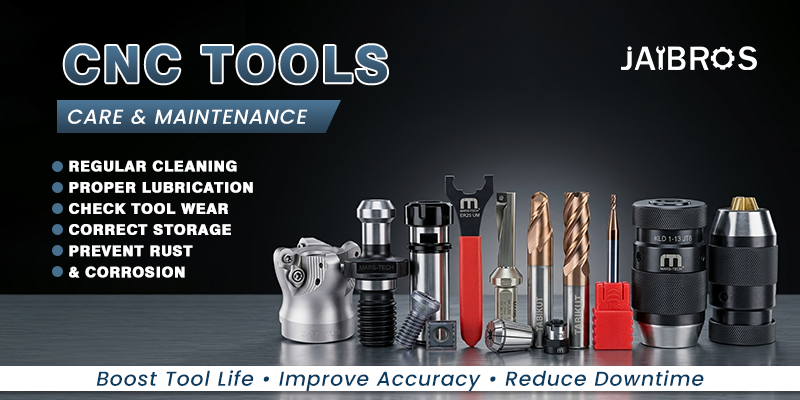
What Are Cutting Parameters?
Cutting parameters are the operating values used to control material removal. Cutting speed describes the speed of the cutting edge relative to the workpiece. Feed rate indicates how quickly the cutter advances through the material, while depth of cut shows how much material is removed during one pass.
These settings should never be selected separately. Workpiece material, cutter diameter, geometry, coating, machine rigidity, coolant, and machining operation all influence the ideal combination.
1. Cutting Speed
Cutting speed is commonly measured in meters per minute (m/min) or surface feet per minute (SFM). It determines how quickly the cutting edge moves across the workpiece surface.
The correct speed allows a CNC tool to cut efficiently while controlling heat. Different materials require different speeds. Aluminum, mild steel, stainless steel, cast iron, and hardened materials have different cutting characteristics.
Carbide products can often operate at higher speeds than many high-speed steel products, but the manufacturer's recommendations should always be the starting point.
Effects of Excessive Speed
When speed is too high, operators may notice:
Rapid edge wear
Excessive heat
Poor surface finish
Edge deformation or chipping
Reduced dimensional consistency
Very low speed can also be problematic for a CNC tool because rubbing may increase heat and cutting forces. The goal is to find a suitable operating range rather than simply selecting the highest possible speed.
2. Feed Rate
Feed rate describes how quickly the cutter moves through the workpiece. Depending on the operation, it may be expressed in mm/min, mm/revolution, or feed per tooth.
For milling, feed per tooth is especially useful. A basic relationship is:
Feed Rate = Feed per Tooth × Number of Teeth × Spindle Speed
For a CNC tool, a feed that is too high can overload the cutting edge and increase vibration. A feed that is too low can cause rubbing, heat, and inefficient cutting. The correct value depends on the cutter, workpiece, machine, and required finish.
3. Depth of Cut
Depth of cut refers to the amount of material removed in one pass. In milling, operators commonly consider axial and radial depth of cut.
A larger cut can improve CNC tool material removal during roughing, but it also increases cutting forces. Machine power, cutter diameter, workholding, tool overhang, and workpiece stability must therefore be considered.
Roughing may use a deeper cut when the machine and cutter can handle the load. Finishing generally uses lighter cuts to achieve better surface quality and dimensional control.
How Speed, Feed, and Depth Work Together
These three parameters are interconnected. Increasing spindle speed can increase heat. Increasing feed can increase cutting forces. Increasing depth can place additional load on the cutter and machine.
For example, if vibration starts after increasing depth of cut, reducing speed alone may not solve the problem. Tool overhang, workholding, feed rate, cutter geometry, and machine rigidity may also need to be checked.
Good machining practice involves making controlled adjustments instead of changing several settings at once. This makes it easier to identify the cause of a performance problem.
Parameters for Different Machining Operations
Drilling, milling, turning, threading, and finishing require different cutting approaches. A carbide drill, for example, should be selected according to hole diameter, workpiece material, drill geometry, coolant delivery, and machine capability. Poor chip evacuation during drilling can generate heat and damage the cutting edge.
A thread mill requires parameters based on thread diameter, pitch, material, machine capability, and interpolation method. Correct speed and feed are important for accurate threads and consistent edge performance.
The types of CNC machines also affect parameter selection. A rigid machining center may support different cutting conditions from a smaller or less rigid machine. Operators should combine tooling recommendations with the machine manufacturer's specifications.
How to Select the Right Parameters
Start with the manufacturer's recommended cutting data. Then consider the following factors:
Workpiece material: Hard or abrasive materials may require different conditions from softer materials.
Tool material: Carbide, HSS, ceramic, and other materials have different operating capabilities.
Tool diameter: Diameter affects spindle speed and cutting conditions.
Machine rigidity: A stable machine and setup can handle cutting loads more effectively.
Coolant: Proper coolant or lubrication can control heat and improve chip evacuation.
Tool overhang: Excessive overhang can increase vibration and reduce stability.
After selecting a starting point, monitor chip formation, heat, vibration, surface finish, and edge condition. Make small adjustments and record successful settings for future jobs.
Measuring Machining Results
Cutting parameters should ultimately be evaluated through the finished component. Dimensional inspection can reveal whether the process is stable and repeatable.
A digital caliper vernier can be useful for checking suitable external dimensions, lengths, and other features within its accuracy capability. For tighter tolerances, specialized precision instruments may be necessary.
Measurement equipment should be clean, maintained, and calibrated according to its requirements. Reliable measurements allow operators to make parameter changes based on actual production results rather than assumptions.
Common Mistakes to Avoid
One common mistake is copying cutting data without considering the machine, workholding, or material. Manufacturer recommendations are valuable starting points, but actual conditions can vary.
Another mistake is assuming that higher speed always means higher productivity. Excessive speed may shorten service life and increase downtime, which can raise total production costs.
Choosing a cutter only by price is also risky. Buyers searching for CNC tools near me or CNC tools online should compare material, geometry, coating, dimensions, and intended application.
The best CNC tools are not necessarily the most expensive. The right choice is the product that matches the machine, material, operation, and required result.
Importance of Correct Product Selection
CNC tool parameter optimization begins with selecting an appropriate product. A cutter designed for aluminum may not perform similarly in hardened steel. Roughing and finishing products may also require different conditions.
Operators should understand the purpose of each product. For example, a torx screw is a fastening component, while machining products are designed for material removal. Clear product knowledge supports better purchasing, setup, and maintenance decisions.
Practical Tips for Better Performance
Keep records of successful speed, feed, and depth combinations for recurring jobs. Record the workpiece material, product specification, machine, coolant method, cycle time, surface finish, and wear observations.
Inspect cutting edges regularly and replace damaged products before they produce defective components. Tool holders and workholding systems should also be maintained because vibration can make otherwise suitable parameters ineffective.
When comparing products, review technical specifications and application recommendations. Reliable information helps reduce trial and error and supports repeatable machining processes.
Conclusion
Understanding speed, feed rate, and depth of cut is fundamental to efficient machining. These parameters influence material removal, heat, cutting forces, surface finish, dimensional accuracy, and service life. Instead of relying on one fixed setting, operators should consider the machine, material, cutter geometry, coolant, and application together.
Jaibros offers industrial machining and measurement solutions for different manufacturing requirements. Its range includes carbide drills, thread mills, and precision measuring products for machining and inspection applications. By combining suitable products with recommended cutting data, accurate measurement, and regular process monitoring, manufacturers can improve productivity, reduce unnecessary downtime, and achieve more consistent results.
Comments
Log in or sign up to join the conversation.