

Learn how to choose the right CNC tool with this complete buying guide. Compare carbide CNC tools, HSS cutting tools, and coated tools for better results.
CNC Tool Buying Guide: Tips Every Manufacturer Should Know
Choosing the right CNC tool is one of the most important decisions for any manufacturer. Whether you run a small workshop or a large production facility, the tools you use directly affect machining accuracy, production speed, surface finish, and overall operating costs. A poor-quality tool can lead to frequent replacements, increased downtime, and inconsistent results.
With so many options available, selecting the best tool can be challenging. This guide explains the key factors every manufacturer should consider before making a purchase, helping you invest in tools that improve efficiency and deliver long-term value.
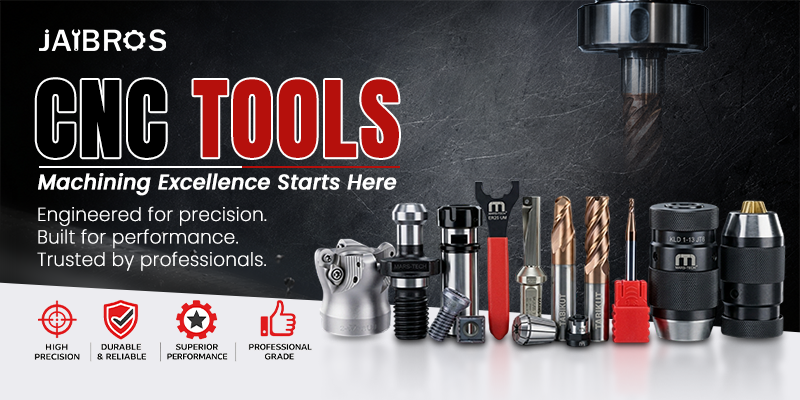
Why Choosing the Right CNC Tool Matters
A quality CNC tool is designed to perform precise cutting operations while maintaining durability under demanding conditions. The right choice helps manufacturers:
Improve machining accuracy
Reduce production downtime
Increase tool life
Achieve better surface finishes
Lower overall machining costs
Investing in reliable cutting solutions also ensures smoother operations across different industrial machining applications.
Understand Your Machining Material
Before purchasing any cutting tool, identify the material you plan to machine. Different machining materials require different tool geometries and cutting properties.
For example:
Aluminum requires sharp cutting edges for smooth chip evacuation.
Stainless steel demands heat-resistant tooling.
Cast iron benefits from wear-resistant cutting edges.
Hardened steel requires high-performance cutting solutions.
Selecting the correct tool for your material improves cutting performance and reduces unnecessary wear.
Choose the Right Tool Material
Not every cutting tool is made from the same material. Understanding the differences helps manufacturers make better purchasing decisions.
Carbide CNC Tools
Carbide CNC tools are widely used because of their excellent hardness, heat resistance, and long service life. They are ideal for high-speed production and precision machining.
Benefits include:
Longer tool life
Higher cutting speeds
Better wear resistance
Excellent dimensional accuracy
They are often preferred for demanding industrial applications.
HSS Cutting Tools
HSS cutting tools remain a practical option for lower-speed machining and general workshop operations. They are more affordable and easier to sharpen than carbide tools.
Advantages include:
Lower initial cost
Good toughness
Suitable for light-duty machining
Easy maintenance
Manufacturers working with smaller production volumes often choose HSS tools for their versatility.
Consider Tool Coatings
Modern coated tools provide significant advantages over uncoated alternatives.
Popular coatings help:
Reduce friction
Improve heat resistance
Extend tool life
Increase cutting speeds
Minimize built-up edge
Coatings such as TiN, TiAlN, and AlCrN improve performance, especially when machining hard metals under demanding production conditions.
Match the Tool to the Operation
Every machining process requires a specific type of cutting tool.
Common examples include:
End mills for milling operations
Drill bits for hole making
Thread mills for thread production
Boring bars for internal machining
Turning inserts for lathe operations
Using the correct CNC tool for each application improves efficiency and reduces unnecessary tool wear.
Focus on Tool Quality Instead of Price
Many manufacturers choose the cheapest option to reduce immediate expenses. However, low-cost tools often result in:
Frequent tool breakage
Poor surface finish
Lower machining accuracy
Increased machine downtime
Higher replacement costs
A premium-quality CNC tool may cost more initially but delivers better productivity and lower long-term operating costs.
Evaluate Tool Life
Tool life directly affects manufacturing efficiency.
When comparing products, consider:
Wear resistance
Heat resistance
Edge retention
Recommended cutting speeds
Expected production cycles
Long-lasting tools reduce machine stoppages and improve overall productivity.
Check Machine Compatibility
Before purchasing, confirm that the selected CNC tool matches your machine specifications.
Verify:
Tool holder compatibility
Shank diameter
Maximum spindle speed
Machine power
Coolant requirements
Proper compatibility ensures safe operation and optimal machining performance.
Buy from a Trusted Supplier
A reliable supplier offers more than just products. Look for companies that provide:
Quality-certified tools
Technical guidance
Product warranties
Fast delivery
After-sales support
Working with an experienced supplier reduces purchasing risks and ensures consistent product quality.
Mistakes to Avoid When Buying CNC Tools
Many manufacturers make avoidable purchasing mistakes, including:
Buying tools based only on price
Ignoring machining materials
Choosing the wrong coating
Selecting incorrect tool geometry
Overlooking machine compatibility
Purchasing from unverified suppliers
Avoiding these mistakes helps improve machining efficiency and reduces production costs.
Future Trends in Industrial Machining
As industrial machining continues to evolve, manufacturers are adopting advanced tooling technologies to improve productivity.
Emerging trends include:
Smart tool monitoring
Advanced coated cutting tools
High-performance carbide tooling
Digital tool management systems
Sustainable machining solutions
Keeping up with these innovations allows manufacturers to remain competitive in today's rapidly changing production environment.
Conclusion
Selecting the right CNC tool is a strategic investment that influences productivity, precision, and profitability. By evaluating machining materials, tool material, coatings, machine compatibility, and supplier reliability, manufacturers can make informed purchasing decisions that deliver long-term value.
Whether you need carbide CNC tools for high-speed production or HSS cutting tools for general machining, choosing quality products is essential for achieving consistent results. As technology continues to advance, investing in reliable coated tools and modern solutions will help manufacturers improve efficiency across every industrial machining application.
For premium CNC tooling solutions, Jaibros offers a wide range of precision-engineered products designed to meet the needs of modern manufacturing industries.
Comments
Log in or sign up to join the conversation.