
Explore how modern machining solutions help industries achieve accurate cutting, better productivity, and reliable manufacturing performance.
CNC Tool Advantages in Modern Production
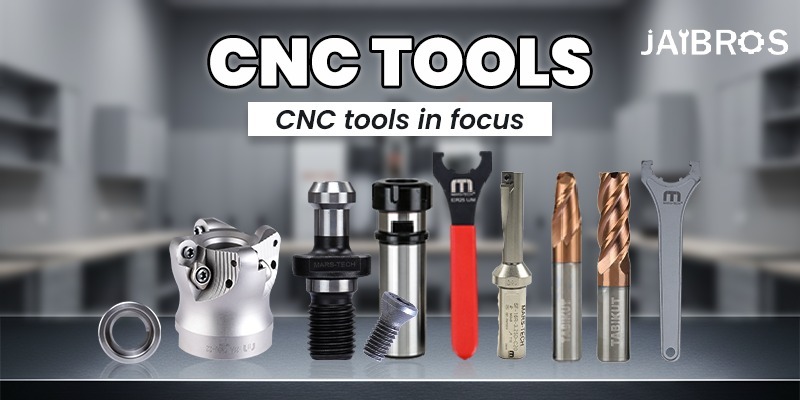
The modern-day industry requires precision, speed, and consistency in manufacturing processes. The design of a suitable cnc tool enables manufacturers to ensure accuracy, proper finishing, and reliability in manufacturing through machining operations. Regardless of whether you manufacture automotive parts, aircraft parts, or other products, advanced machining technology will increase efficiency without increasing manual labor or wastage of materials.
Automation and safety are key concerns for factories today. Selection of the right tooling, stability in cutting, and regular inspections will help optimize your machine. Several factories use advanced tool holders, inserts, and measuring equipment to ensure quality control. In light of digital manufacturing becoming common, it is imperative that companies adopt smart machining techniques.
Importance of Precision in Manufacturing
Precision is an important consideration in the manufacturing process as slight mistakes in measurements may result in the output not meeting the desired quality standards. Current workshops have employed sophisticated mechanisms that help ensure uniformity in repeated machining operations. The use of highly accurate cutting machines enhances precision in production.
Key benefits of accurate machining:
Better surface finishing on components
Reduced material wastage
Faster production cycles
Improved repeatability in bulk manufacturing
Lower maintenance requirements
Many industries depend on reliable measuring instruments during machine setup. Tools like a feeler guage help operators verify alignment and spacing before starting machining operations. This process supports better accuracy and reduces chances of production defects during long manufacturing runs.
Modern factories also prefer automation because it minimizes human error and improves production planning. Advanced machining systems can perform complex operations continuously while maintaining consistent quality standards throughout the process.
Role of Advanced Cutting Solutions
There have been several improvements in industrial machining due to advances in the use of tough cutting materials. Companies have begun using inserts and other machining tools specifically made to process various kinds of metals, alloys, and composites. Proper selection of CNC machining tools ensures that the manufacturing unit remains stable during operation.
Advantages of modern cutting systems:
Higher cutting speed capability
Better heat resistance
Improved chip removal
Longer operational life
Reduced machine downtime
Highly performing carbide cutters are usually employed in roughing and finishing operations due to their superior wear resistance and stability. These cutters aid in achieving accurate machining processes at high speeds.
Industries also use different fastening components to maintain machine stability. In some assemblies, torx screws are preferred because they offer better grip and improved torque transmission during installation and maintenance work.
Manufacturers continuously focus on reducing operational costs while improving output quality. Stronger cutting materials and advanced machining technologies help industries achieve better productivity without compromising dimensional accuracy.
Benefits of Modern Tool Holding Systems
A stable holding system is essential for maintaining machining accuracy and reducing vibration during operation. Proper alignment between the spindle and the cutting assembly improves overall machine performance and supports smoother cutting action. A reliable cnc tool holder helps maintain balance, improves rigidity, and reduces the chances of tool deflection during heavy machining applications.
Why stable holders matter:
Improved machining precision
Reduced vibration during cutting
Better surface finish quality
Increased operational safety
Longer spindle life
Different industries use various cnc tool types depending on machining requirements. Some tools are designed for drilling, while others support milling, boring, or finishing applications. Choosing the correct tooling solution improves machining efficiency and helps operators achieve better production accuracy.
Strong tool-holding systems also reduce unnecessary movement during cutting operations. This stability supports smoother machining performance and helps manufacturers maintain consistent production quality across multiple batches.
Modern workshops regularly inspect holders, inserts, and machine settings to prevent production interruptions. Proper maintenance practices help improve operational life and reduce unexpected breakdowns during continuous manufacturing cycles.
Productivity Improvements in Industrial Workshops
Industrial workshops require reliable machining systems to meet increasing production demands. Automation, advanced tooling, and optimized machine settings help manufacturers complete tasks more efficiently while maintaining quality standards. Advanced cnc machine tools support faster production cycles and improve consistency during repetitive operations.
Major productivity advantages:
Faster component manufacturing
Reduced setup time
Better workflow management
Improved production accuracy
Lower rejection rates
High-speed machining operations often require specialized cutting solutions for better performance. Many workshops use Carbide drills because they offer excellent hardness and improved heat resistance during drilling applications. These tools are especially useful when machining tough materials that require stable and accurate hole creation.
Manufacturers also focus on operator safety and equipment reliability. Proper coolant flow, regular inspections, and balanced machine setup help reduce wear and improve overall operational efficiency in industrial environments.
Technology-driven production systems now allow factories to monitor machine performance in real time. This helps operators identify issues early and maintain smoother workflow management throughout the manufacturing process.
Importance of Tool Selection for Long-Term Efficiency
Choosing the correct tooling solution is essential for maintaining production quality and reducing unnecessary operational expenses. Industries carefully evaluate cutting speed, material compatibility, and machine stability before selecting tools for specific applications. Proper tooling decisions help improve machine life and support better production planning.
Factors considered during tool selection:
Material hardness
Cutting speed requirements
Surface finish expectations
Machine compatibility
Heat resistance capability
A long-lasting carbide blade can help ensure machine stability while undertaking intricate cuts and aid in achieving smooth finishes. Producers usually favor abrasive-resistant materials since these minimize replacements and boost manufacturing efficiency.
Different cnc tool types are used for specialized machining processes depending on industrial requirements. Some operations require heavy roughing tools, while others need precision finishing solutions for accurate dimensional control.
Modern factories also depend on advanced drilling systems for accurate hole production. High-performance Carbide drills help improve precision and support smoother drilling operations even under demanding machining conditions.
Efficient machining practices not only improve output quality but also help industries reduce operational waste and maintenance costs over time.
Conclusion
Current production industries still enjoy the advantages offered by automation, accuracy, machining, and advanced manufacturing. Good tooling systems, secure holding, and strong cutting materials assist manufacturers in becoming more efficient and maintaining high levels of production quality. Efficient use of a cnc tool holder also facilitates smooth running and improved machining stability within the industrial setting. Good tooling systems and effective maintenance are vital for continued production success. Industries such as jaibros have been able to meet the machining requirements of industry workshops through providing quality-driven services.
FAQs
1. Why is precision important in industrial machining?
Precision helps improve product quality, reduce material waste, and maintain accurate dimensions during manufacturing.
2. What are the advantages of automated machining systems?
Automated systems improve speed, consistency, operational safety, and production efficiency.
3. How do cutting materials affect machining performance?
Strong cutting materials improve wear resistance, support faster machining, and reduce downtime.
4. Why are stable holders important in machining?
Stable holders reduce vibration, improve cutting accuracy, and increase machine reliability.
5. What benefits do modern manufacturing systems provide?
Modern systems help industries achieve higher productivity, lower maintenance costs, and better quality control.
Comments
Log in or sign up to join the conversation.