

Explore key factors for choosing an end mill, including tool geometry, flute design, cutting parameters, and setup for accurate CNC milling.
Key Factors for Improving CNC Milling Accuracy with an End Mill
CNC milling accuracy is not just one thing. It is shaped by the state of the machine, how the part is held, the cutting settings, the tool that is used, and how measurements are checked. If any of these are off, the final size can drift and the cut can feel unstable.
One choice matters a lot: the cutting tool itself. The right product helps keep dimensions steady. It also supports a cleaner surface and smoother cutting behavior. When the end mill cutter fits the job, it can lower chatter, manage cutting load, and lead to repeatable results.
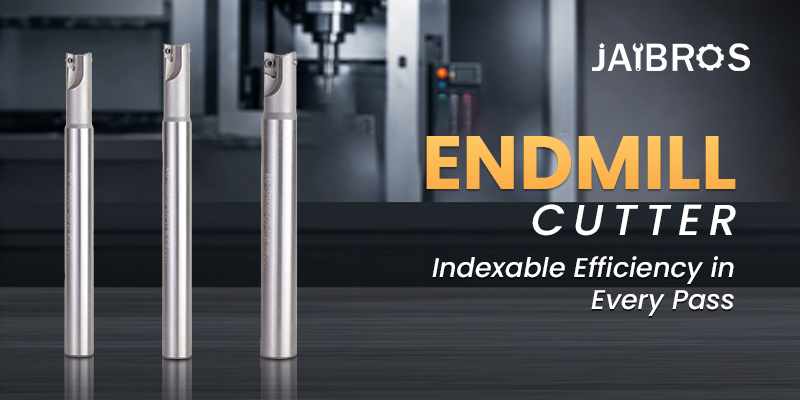
You can run jobs on aluminum, steel, stainless steel, or other engineering metals. Even then, you still need to pick the right tool geometry and the right tool material. The tool should match the machine setup, the workpiece, the operation type, and the tolerance you must hit.
Pick the End Mill for the Job
Start by naming the machining task. Roughing, finishing, slotting, profiling, and pocketing each call for a different end mill shape.
An end mill removes metal from both the side and the end. That is why it works in many milling tasks. You may see different flute counts, helix angles, diameters, and cutting lengths. These details change based on the intended use.
For best accuracy, select the cutter based on the feature you are making. Do not rely only on a common stock size.
Choose the Right Tool Material
Tool material plays an important role in machining performance. A carbide end mill is widely used for applications where hardness, wear resistance, and stable cutting performance are required.
A carbide end mill cutter can be suitable for demanding machining operations, but its performance still depends on proper cutting conditions and machine stability. Selecting the right material for the workpiece can help control wear and maintain dimensional consistency.
Select the Correct Diameter
Diameter affects cutting forces, rigidity, and the ability to access specific features. A larger diameter generally provides greater rigidity, while a smaller diameter may be necessary for narrow slots, corners, and detailed profiles.
When choosing an end mill cutter, consider the feature size, available clearance, required corner radius, and machine setup. Avoid excessive tool overhang because it can increase deflection and vibration.
Consider Flute Count and Geometry
Flute count affects chip evacuation, feed capability, and surface finish. Different materials and operations may benefit from different flute configurations.
For example, an end mill with suitable chip space can help evacuate material effectively during cutting. Geometry should also match the workpiece material and operation. A CNC end mill selected for the application can provide more stable cutting than a general-purpose product used outside its intended conditions.
Coatings can also influence wear resistance and performance, but the appropriate coating depends on the material being machined and the operating conditions.
Optimize Speed and Feed
Even a high-quality end mill cutter may produce poor results when cutting parameters are unsuitable. Spindle speed, feed rate, depth of cut, and radial engagement should be selected according to manufacturer recommendations.
Excessive speed can increase heat and accelerate wear, while excessive feed can increase cutting forces and cause edge damage. Very low feed can create rubbing and reduce cutting efficiency.
Make gradual adjustments and monitor chips, sound, vibration, surface finish, and tool condition. This approach makes it easier to identify the cause of accuracy problems.
Improve Workholding and Machine Stability
Tool selection alone cannot guarantee accurate milling. The workpiece must be securely clamped, and the machine should be sufficiently rigid for the operation.
Vibration can cause poor surface finish, dimensional errors, and premature tool wear. Check the tool holder, collet, spindle, workholding system, and setup for contamination or looseness.
Keep tool projection as short as practical. A stable setup reduces deflection and allows the cutting product to operate more consistently.
Maintain the Cutting Product
Regular inspection can help prevent accuracy problems. Check for chipped edges, unusual wear, built-up material, and damage before starting important jobs.
A worn end mill cutter may produce larger dimensions, rough surfaces, or inconsistent profiles. Replacing severely worn products at the appropriate time can help maintain quality and prevent damaged components.
Proper storage is also important. Keep cutting products clean, dry, and protected from accidental contact with other tools.
Measure Finished Components
Measurement is essential for verifying milling accuracy. After machining, inspect critical dimensions and compare them with the required tolerances.
Measurement equipment should also be maintained properly. Clean measuring surfaces and follow calibration requirements so that inspection results remain reliable.
Consistent measurement records can help operators identify trends in tool wear, machine behavior, and process variation.
Choose Products from Reliable Suppliers
When purchasing a CNC end mill, review its material, dimensions, coating, flute configuration, application range, and technical specifications. Avoid selecting products based only on price.
A reliable supplier should provide clear product information and support buyers in selecting suitable products. The right product can help reduce trial and error and support more consistent machining.
Conclusion
Improving CNC milling accuracy requires a combination of correct tool selection, suitable cutting parameters, stable workholding, proper maintenance, and reliable measurement. Choosing a suitable end mill cutter for the material and machining operation can help control vibration, wear, and dimensional variation.
Jaibros offers industrial machining and measurement solutions for different manufacturing requirements. Its range includes milling and other cutting products designed for various applications, along with measurement solutions that support inspection and quality control. By selecting suitable products and following proper machining practices, manufacturers can improve accuracy, consistency, productivity, and overall production efficiency.
Comments
Log in or sign up to join the conversation.