

Complete Guide on How to Choose a Great Chamfering Tool for CNC Machining
Accuracy may very well be considered among the most important characteristics in CNC machining. Every component needs to meet the required standards to ensure proper functioning. One of the processes that plays a big role in accomplishing this goal is chamfering. Regardless of whatever reason you use a chamfering tool for – removing any sharp corners or decorating your components – selecting a tool that suits your needs is really important.
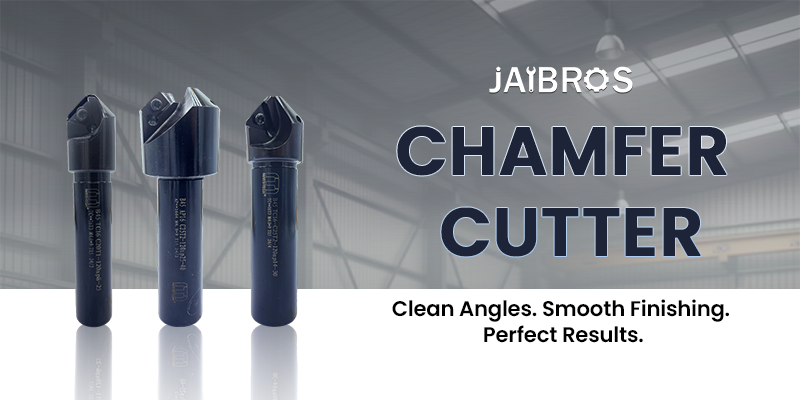
Because of the variety of the existing types of equipment, choosing the proper one can be rather confusing. The following guide will provide you with essential information on how to choose a great chamfering tool.
What Is a Chamfering Tool?
The 'chamfering machine' is a term used to refer to a tool designed to cut a particular part to create a bevelled edge on the workpiece.
The process can be applied in various industries, such as aviation, automobiles, and the production of medical equipment, among other engineering processes. Finishing the edges does not only improve appearance but also functionality.
Why Chamfering Matters in CNC Machining
Chamfering provides several important benefits:
Removes sharp and dangerous edges
Improves assembly of mating components
Enhances product appearance
Reduces stress concentration on edges
Helps prevent material chipping
Improves overall machining quality
Without proper chamfering, finished parts may require additional manual finishing, increasing production time and costs.
Factors to Consider When Choosing the Right Chamfer Tool
1. Understand the Material Being Machined
The first step in selecting a cutting tool is identifying the workpiece material.
Different materials require different cutting characteristics:
Aluminum requires sharp cutting edges and high-speed capability.
Stainless steel demands wear-resistant tools with strong edge retention.
Cast iron requires a durable cutting geometry to handle abrasive particles.
Plastics need specialized cutting angles to avoid melting or deformation.
Using the wrong tool for the material can lead to poor surface finish, excessive wear, and reduced productivity.
2. Select the Appropriate Tool Material
Tool material directly affects performance and longevity.
Carbide Tools
Carbide is the most popular choice for CNC applications because it offers:
High hardness
Excellent wear resistance
Longer tool life
Better performance at high speeds
High-Speed Steel (HSS)
HSS tools are more affordable and suitable for lighter machining operations. However, they generally wear faster than carbide options.
For high-volume production environments, carbide remains the preferred solution.
3. Consider the Chamfer Angle
Chamfer tools are available in various angles, including:
30°
45°
60°
90°
The most common angle is 45 degrees because it works well for general-purpose edge finishing.
Always choose the angle based on the engineering drawing and application requirements.
4. Evaluate Machine Compatibility
Not every cutting tool is compatible with every machine.
When selecting a chamfer tool, verify:
Tool holder compatibility
Spindle speed requirements
Machine rigidity
Maximum cutting depth
Proper compatibility helps maintain accuracy and prevents vibration during machining.
5. Determine the Required Surface Finish
Surface finish requirements vary across industries.
For high-precision components, select tools designed for fine finishing operations. Features such as polished flutes, optimized geometries, and premium coatings help achieve smoother surfaces.
Poor tool selection can result in visible tool marks and inconsistent edge quality.
Types of Chamfering Tools
Understanding different tool types can help you choose the best option for your operation.
Standard Chamfer Mills
These are commonly used for general edge finishing and deburring tasks. They are suitable for a wide range of materials and machining centers.
Spotting and Chamfer Combination Tools
These tools perform drilling location marking and chamfering in a single operation, reducing cycle time.
Back Chamfering Tools
A back chamfer tool is specifically designed to create chamfers on hard-to-reach surfaces or internal features. These tools are widely used when traditional cutting methods cannot access the required area.
Indexable Chamfer Tools
These tools use replaceable inserts, making them cost-effective for high-volume production environments. Users can replace worn inserts instead of replacing the entire tool.
Importance of Tool Geometry
Tool geometry plays a major role in cutting efficiency.
Important geometry considerations include:
Number of Flutes
Two flutes provide excellent chip evacuation.
Four flutes offer greater strength and smoother finishes.
Multi-flute designs are ideal for finishing applications.
Cutting Edge Design
Sharp cutting edges reduce cutting forces and improve finish quality.
Relief Angles
Proper relief angles reduce friction and prevent overheating during machining.
Choosing the right geometry improves productivity while extending tool life.
CNC Applications for Chamfering Tools
Modern manufacturing uses chamfering tools across numerous applications.
Common uses include:
Edge breaking
Deburring
Countersinking
Weld preparation
Assembly preparation
Decorative finishing
A dedicated chamfer tool CNC setup helps manufacturers maintain consistency and repeatability across production batches.
Applications of Chamfering Tools
Chamfering with Lathes
Chamfering may be required in turning applications for forming bevels on cylindrical parts.
Chamfering tools are used in lathes to make precise chamfers. Such tools aid in beautifying the product and ensuring that no sharp edges remain.
Woodworking Applications
Chamfering is not limited to metalworking.
A chamfer tool for wood can be used to create decorative edges on furniture, cabinets, and wooden structures. Woodworkers often use chamfering to enhance aesthetics and improve handling safety.
Tool Coatings and Their Benefits
Advanced coatings can dramatically improve tool performance.
Popular coating options include:
TiN (Titanium Nitride)
Benefits include:
Reduced friction
Increased hardness
Better wear resistance
TiAlN (Titanium Aluminum Nitride)
Ideal for high-temperature machining applications.
AlCrN (Aluminum Chromium Nitride)
Offers superior oxidation resistance and extended tool life.
Coated tools generally provide better productivity and lower operating costs.
Common Mistakes When Selecting Chamfering Tools
Many machinists make avoidable selection errors.
Choosing Based Only on Price
Low-cost tools may initially save money but often wear out quickly and increase downtime.
Ignoring Material Requirements
Different materials require specific cutting geometries and coatings.
Overlooking Machine Capabilities
Tool performance depends heavily on machine rigidity and spindle performance.
Using Incorrect Speeds and Feeds
Even the best chamfer tool can fail prematurely if cutting parameters are incorrect.
Tips for Maximizing Tool Life
To get the best performance from your chamfering tools:
Use recommended cutting speeds.
Apply proper coolant strategies.
Monitor wear regularly.
Replace tools before excessive wear occurs.
Store tools properly.
Use rigid tool holders.
Preventive maintenance significantly improves productivity and consistency.
How to Evaluate Tool Quality Before Purchase
Before investing in a new chamfer tool, consider the following:
Manufacturer reputation
Material quality
Coating technology
Dimensional accuracy
Customer reviews
Technical support availability
Working with reliable tooling suppliers helps ensure long-term machining success.
Conclusion
It becomes necessary for a correct back chamfer tool to be selected for achieving satisfactory results through CNC machining. The appropriate selection depends on various factors such as the type of material used, capability of the machine, needs in relation to angle, geometrical factors, and production quantities. Through this approach, an efficient process will be achieved, costs reduced, and surface finish improved.
In case of simple edge breaking, a certain tool chamfer operation, or complex internal components, it becomes necessary to select an ideal tool for increased productivity.
Frequently Asked Questions (FAQs)
1. What is the purpose of chamfering in CNC machining?
Chamfering removes sharp edges, improves assembly, enhances appearance, and reduces stress concentration on machined parts.
2. Which material is best for chamfering tools?
Carbide is generally considered the best option due to its durability, wear resistance, and ability to operate at higher cutting speeds.
3. What chamfer angle is most commonly used?
A 45-degree chamfer is the most commonly used angle because it suits a wide range of machining applications.
4. When should a back chamfer tool be used?
It should be used when chamfering internal surfaces or areas that are difficult to access with standard cutting tools.
5. Can chamfering tools be used on materials other than metal?
Yes. Specialised chamfering tools can be used on wood, plastics, composites, and other materials, depending on the application.
Comments
Log in or sign up to join the conversation.