

Introduction
The global Cloud Point of Sale (PoS) market is transforming how businesses manage payments, sales operations, inventory, and customer interactions. Unlike traditional on-premises PoS systems that rely heavily on locally installed hardware and software, cloud PoS solutions use internet connectivity to process transactions and store business data in cloud environments. This enables businesses to access sales information, operational data, and management tools from virtually any location.
According to TechSci Research report, “Global Cloud Point of Sale (PoS) Market - Industry Size, Share, Trends, Competition Forecast & Opportunities, 2031”. The Global Cloud Point of Sale (PoS) Market will grow from USD 6.44 Billion in 2025 to USD 17.02 Billion by 2031 at a 17.58% CAGR.
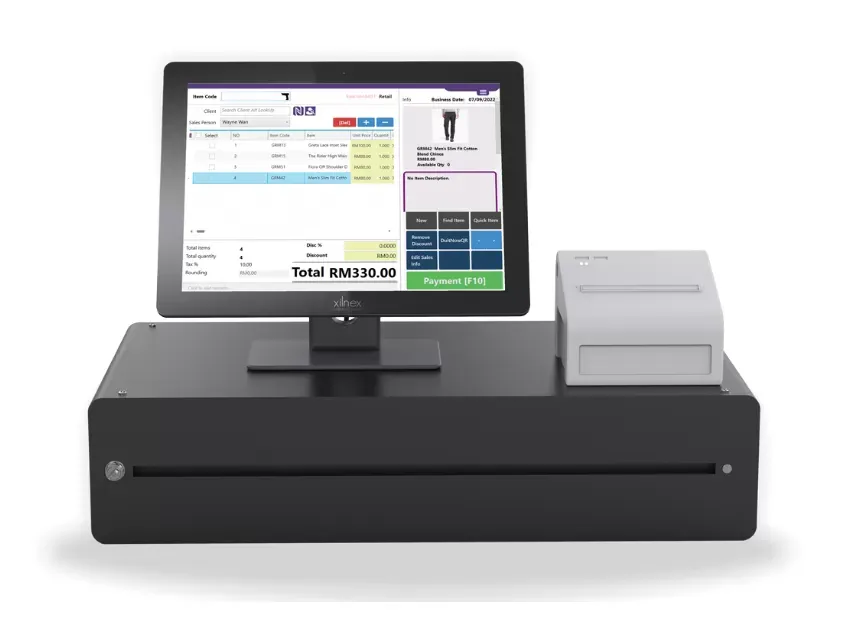
Cloud PoS technology is becoming particularly valuable for businesses that operate across multiple stores, sales channels, or locations. Managers can remotely monitor transactions, inventory levels, and other operational activities, while employees can use mobile-enabled systems to process transactions closer to customers.
The growing emphasis on omnichannel commerce is also influencing adoption. Consumers increasingly expect consistent experiences across physical stores, websites, mobile applications, and other sales channels. Cloud PoS platforms can connect these environments and help businesses synchronize sales and inventory information.
Another important advantage is the reduced requirement for substantial upfront investment. Cloud-based models can provide businesses with flexible subscription structures, scalable capabilities, and access to software updates without requiring extensive investments in traditional on-premises infrastructure. These benefits are supporting adoption across retail, hospitality, entertainment, healthcare, and other service-oriented industries.
Industry Key Highlights
The Global Cloud Point of Sale (PoS) Market is projected to grow from USD 6.44 billion in 2025 to USD 17.02 billion by 2031.
The market is expected to register a 17.58% CAGR during the forecast period.
Retail is expected to dominate the market by end-user industry.
North America is expected to remain the leading regional market.
Increasing cashless transactions are accelerating demand for cloud-enabled payment infrastructure.
Mobile PoS adoption is increasing alongside mobility and multichannel selling trends.
Real-time data and analytics are becoming important capabilities for retailers and service businesses.
Cloud PoS systems provide scalability for businesses with changing transaction volumes and locations.
Subscription-based pricing models can reduce upfront technology expenditure.
Integration with inventory, customer management, payment, and business applications is strengthening the value of cloud PoS platforms.
Request For Sample Copy of Report For More Detailed Market insight
Main Drivers
Growing Adoption of Cashless Transactions
The continued transition from cash-based payments toward cards, digital wallets, and other electronic payment methods is a major factor supporting cloud PoS adoption. Businesses need payment systems capable of handling different transaction methods while maintaining accurate records.
Cloud-based PoS platforms provide an adaptable foundation for integrating payment processing with broader business operations. As consumers increasingly expect fast and convenient checkout experiences, businesses are investing in technologies that can support multiple payment options.
Expansion of E-Commerce and Omnichannel Retail
The boundaries between online and offline commerce are becoming increasingly interconnected. Customers may discover products online, purchase them through mobile applications, collect them from physical stores, or return online purchases in-store.
This shift toward omnichannel selling increases the need for synchronized sales and inventory data. Cloud PoS platforms can help retailers connect different selling environments and maintain more consistent operational information across channels.
Lower Upfront Costs
Traditional PoS infrastructure can require substantial initial spending on hardware, software, servers, maintenance, and IT resources. Cloud PoS solutions can reduce some of these upfront requirements through subscription-based models and remotely managed infrastructure.
This financial flexibility can be particularly attractive to small and medium-sized businesses that need modern transaction capabilities without making extensive infrastructure investments.
Scalability and Flexibility
Business requirements can change rapidly based on seasonal demand, new store openings, promotions, or expansion into new markets. Cloud PoS platforms allow organizations to scale their technology environment according to operational requirements.
A retailer expanding from a single store to multiple locations, for example, can use cloud-based systems to manage operations through a connected platform rather than maintaining completely separate environments.
Real-Time Data and Analytics
Modern businesses increasingly rely on timely operational information to make decisions. Cloud PoS systems can provide access to transaction data, sales performance, inventory information, and other business insights.
Real-time visibility can help managers identify demand patterns, monitor store performance, and respond more quickly to operational issues.
Emerging Trends
Rapid Growth of Mobile PoS
Mobile PoS systems are becoming increasingly relevant as businesses prioritize flexible checkout and multichannel selling. Tablets and other mobile devices can be used to process transactions outside conventional checkout counters.
This approach is particularly useful in retail environments where employees may need to assist customers directly on the sales floor. Mobile PoS can also support temporary stores, events, restaurants, and other environments where fixed terminals may not be practical.
Integration with Artificial Intelligence and Machine Learning
The integration of AI and machine learning capabilities with cloud-based business platforms is opening new possibilities for retailers. Advanced analytics can help businesses identify purchasing patterns, optimize inventory decisions, and personalize customer interactions.
Cloud infrastructure provides an environment where data from multiple locations and channels can be consolidated for analysis, supporting more informed operational decisions.
Increasing Importance of Customer Experience
PoS technology is evolving beyond basic payment processing. Businesses increasingly view the checkout process as an important component of the overall customer journey.
Faster transactions, flexible payment options, personalized offers, customer data integration, and convenient return processes can all contribute to a smoother experience.
Subscription-Based Technology Models
Subscription pricing is becoming increasingly common in cloud PoS deployment. Instead of making a large one-time investment in software and infrastructure, businesses can pay recurring fees for access to technology and services.
This model can provide greater cost predictability while allowing businesses to access software updates and new functionality as platforms evolve.
Stronger Security and Data Management
As businesses process increasing volumes of digital transactions, security has become an important consideration. Cloud PoS providers are focusing on security mechanisms designed to protect payment and business data.
Centralized cloud management can also support consistent software updates and security controls across connected business locations.
Real-World Use Cases
Retail Stores
Retail remains one of the most important application areas for cloud PoS technology. Stores can use cloud platforms to process payments, monitor inventory, analyze sales, and coordinate activities across multiple locations.
Managers can also access operational information remotely, making it easier to monitor performance without being physically present at every store.
Restaurants and Hospitality
Restaurants can use cloud PoS platforms to manage orders, payments, menus, and customer transactions. Mobile PoS capabilities can enable employees to take orders closer to customers, while centralized systems can support multiple outlets.
Hospitality businesses can similarly benefit from integrated transaction and operational data across different service points.
Entertainment Businesses
Entertainment venues can use cloud PoS technology for ticketing, food and beverage transactions, merchandise sales, and other customer purchases. Cloud connectivity can help businesses coordinate transaction information across multiple points of sale.
Healthcare
Healthcare organizations can use PoS systems to manage payments and transaction records for various services and products. Cloud-based platforms can offer accessibility and scalability for organizations with multiple operational locations.
Small and Growing Businesses
Small businesses can benefit from cloud PoS systems because they can access modern transaction capabilities without necessarily building extensive in-house IT infrastructure. As the business grows, additional terminals, locations, and functions can be incorporated into the cloud environment.
Competitive Analysis
Block, Inc.
Intuit Inc.
Shopify Inc.
Lightspeed POS Inc.
Clover Network, Inc.
Vend Limited
Toshiba Global Commerce Solutions
Seiko Epson Corp.
Samsung Electronics Co. Ltd
Micros Retail Systems Inc.
Customers can also request for 10% free customization on this report.
Segmentation
The Global Cloud Point of Sale (PoS) Market is segmented by component, type, end-user industry, region, and competition.
By Component
Hardware
Software & Services
Hardware includes the physical terminals and associated equipment used for transactions, while software and services provide the cloud-based applications, management capabilities, integration, maintenance, and other functionalities required to operate the PoS environment.
By Type
Fixed Point of Sale
Mobile Point of Sale
Fixed PoS systems remain relevant for conventional checkout environments, while mobile PoS solutions are gaining traction because they support flexible transaction processing and changing retail workflows.
Mobile systems can be particularly valuable for businesses adopting assisted selling, pop-up operations, events, and omnichannel strategies.
By End-User Industry
Entertainment
Hospitality
Healthcare
Retail
Other
Retail is expected to dominate the market during the forecast period. Retailers are increasingly deploying digital technologies to improve store productivity, manage inventory, monitor transactions, and deliver more convenient customer experiences.
The ability to remotely monitor operational activities is particularly useful for businesses operating multiple locations. Cloud-based platforms can provide centralized visibility while supporting different store formats and transaction environments.
By Region
The market covers:
North America
Europe
Asia-Pacific
South America
Middle East & Africa
North America is expected to dominate the global Cloud PoS market. The United States represents a major contributor to the region's PoS ecosystem, supported by extensive use of PoS terminals and continued replacement of older systems with newer technologies.
The region is also experiencing growth across hardware sales, digital PoS solutions, cloud subscriptions, and mobile PoS transactions. Payment preferences continue to evolve as consumers adopt increasingly digital methods.
In 2020, credit cards accounted for 38.60% of all PoS payments in North America, making them the region's most commonly used PoS payment method. Credit cards were also expected to remain the leading PoS payment option in 2024, accounting for 38.40% of payments. Digital and mobile wallet payments were expected to represent 15.5% of PoS payments by 2023, reflecting the broader movement toward digital payment methods.
Frequently Asked Questions
1. What is the projected size of the Global Cloud Point of Sale (PoS) Market by 2031?
The Global Cloud Point of Sale (PoS) Market is projected to reach USD 17.02 billion by 2031, compared with USD 6.44 billion in 2025.
2. What is the expected CAGR of the Cloud PoS market?
The Global Cloud Point of Sale (PoS) Market is expected to grow at a 17.58% CAGR between 2025 and 2031.
3. Which end-user industry is expected to dominate the Cloud PoS market?
The Retail segment is expected to dominate the market during the forecast period, driven by increasing digitalization, omnichannel selling, inventory synchronization, and demand for improved store efficiency.
4. Which region is expected to dominate the Global Cloud PoS Market?
North America is expected to dominate the Global Cloud Point of Sale (PoS) Market, supported by established PoS infrastructure, high adoption of digital payment technologies, cloud subscriptions, and mobile PoS solutions.
Contact US:
Techsci Research LLC
420 Lexington Avenue, Suite 300,
New York, United States- 10170
Tel: +13322586602
Email: [email protected]
Comments
Log in or sign up to join the conversation.