

Introduction
According to TechSci Research report, “Global City Gas Distribution Market - By Region, Competition, Forecast & Opportunities, 2021-2031”, The Global City Gas Distribution Market will grow from USD 188.19 Billion in 2025 to USD 239.91 Billion by 2031 at a 4.13% CAGR.
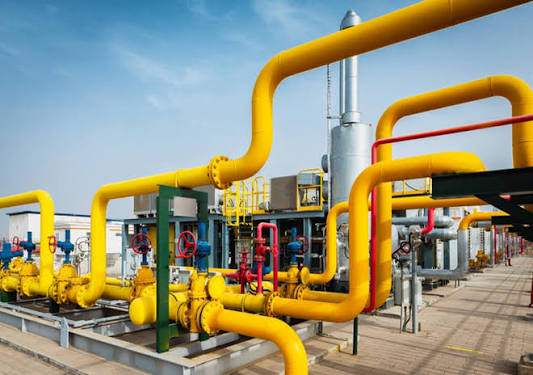
The global energy landscape is undergoing a significant transformation as governments, industries, and consumers increasingly prioritize cleaner and more sustainable fuel sources. Among the various alternatives to traditional fossil fuels, natural gas has emerged as one of the most practical transition fuels due to its lower carbon emissions, operational efficiency, and wide range of applications. This shift has created substantial growth opportunities for the City Gas Distribution (CGD) market, which plays a critical role in delivering natural gas safely and efficiently to residential, commercial, industrial, and transportation sectors.
City Gas Distribution networks are becoming an integral component of modern urban infrastructure. They provide Piped Natural Gas (PNG) to homes, hotels, restaurants, offices, and manufacturing facilities while supplying Compressed Natural Gas (CNG) for automobiles and public transportation. As countries invest heavily in pipeline infrastructure, smart cities, and cleaner transportation systems, the importance of reliable gas distribution networks continues to grow.
With energy security, environmental sustainability, and urban development becoming global priorities, the City Gas Distribution Market is expected to play a pivotal role in shaping the future of clean energy delivery.
Request For Sample Copy of Report For More Detailed Market insight: https://www.techsciresearch.com/sample-report.aspx?cid=20082#requestform
Industry Key Highlights
Market valued at USD 188.19 Billion in 2025
Expected to reach USD 239.91 Billion by 2031
Forecast CAGR of 4.13%
Growing investments in city gas infrastructure worldwide
Increasing demand for Piped Natural Gas (PNG)
Automotive sector driving CNG consumption
Government support accelerating pipeline expansion
Smart city initiatives strengthening gas distribution networks
Rising adoption across residential, commercial, and industrial sectors
Growing integration of cleaner energy solutions
Expansion of natural gas accessibility in developing economies
Market Overview
The City Gas Distribution Market forms the backbone of urban natural gas infrastructure by ensuring continuous and reliable delivery of gas to millions of consumers across residential, commercial, industrial, and transportation sectors.
Unlike conventional fuel distribution systems, city gas networks provide uninterrupted fuel supply through underground pipeline infrastructure, significantly improving safety, convenience, and operational efficiency.
Growing urbanization, industrial expansion, and increasing environmental awareness are encouraging governments to develop comprehensive gas distribution networks capable of serving rapidly expanding cities.
Several countries are expanding their natural gas infrastructure to reduce dependence on coal and liquid fuels while improving air quality and reducing greenhouse gas emissions.
India represents one of the fastest-growing CGD markets globally. From only 35 geographical areas in the early 2000s, city gas infrastructure expanded to more than 90 geographical areas by 2023, with plans to extend coverage to over 220 geographical areas by 2029, potentially serving nearly 70% of the country's population.
Such large-scale infrastructure investments illustrate the growing importance of city gas networks in supporting urban development and clean energy transitions.
Key Drivers
Rising Demand for Cleaner Energy
One of the primary factors driving the City Gas Distribution Market is the increasing global demand for environmentally friendly energy solutions.
Natural gas produces lower carbon emissions than coal and petroleum products, making it an attractive alternative for residential heating, cooking, industrial operations, and transportation.
Governments worldwide are encouraging industries and households to adopt cleaner fuels as part of broader climate action strategies.
Government Infrastructure Investments
Public investments in gas pipeline infrastructure continue accelerating market expansion.
Many countries are investing in:
Urban gas pipeline networks
Smart city infrastructure
Industrial gas connectivity
Residential PNG expansion
CNG refueling stations
These investments improve fuel accessibility while encouraging wider adoption across multiple consumer segments.
Growing Automotive Demand
The transportation sector remains one of the largest consumers of compressed natural gas.
Increasing environmental regulations, rising fuel prices, and growing awareness regarding low-emission transportation have encouraged consumers and fleet operators to adopt CNG-powered vehicles.
Expanding CNG station networks further support market growth by improving fuel availability and customer convenience.
Industrial and Commercial Expansion
Manufacturing industries, hotels, restaurants, hospitals, educational institutions, and commercial establishments increasingly prefer PNG due to its operational efficiency, cost-effectiveness, and uninterrupted fuel supply.
Growing industrialization across emerging economies continues creating new opportunities for city gas distribution companies.
Emerging Trends
Expansion of PNG Networks
Piped Natural Gas continues gaining popularity because it offers a reliable, safe, and convenient energy source for residential, commercial, and industrial consumers.
Unlike LPG cylinders, PNG provides continuous gas supply through underground pipelines, eliminating storage requirements and improving safety.
Governments continue expanding PNG infrastructure to serve previously underserved urban and semi-urban regions.
Smart City Development
Smart city initiatives worldwide increasingly incorporate intelligent gas distribution systems within urban infrastructure planning.
Modern gas networks utilize digital monitoring systems, smart meters, automated pressure management, and remote leak detection technologies to improve operational efficiency and consumer safety.
Integration with broader smart utility platforms enables better energy management and resource optimization.
Digital Monitoring and Smart Metering
Utility companies are adopting advanced digital technologies to improve network visibility and customer service.
Smart meters allow consumers to monitor gas consumption in real time while enabling service providers to perform remote meter reading, predictive maintenance, and faster billing.
These technologies improve operational efficiency while reducing distribution losses.
Sustainable Energy Integration
The future of city gas infrastructure extends beyond natural gas.
Many countries are exploring the integration of renewable gases such as biomethane and hydrogen into existing gas distribution networks.
This transition supports long-term decarbonization goals while leveraging existing pipeline infrastructure, making city gas systems an important component of future sustainable energy ecosystems.
Real-World Use Cases
Residential Energy Supply
One of the most widespread applications of city gas distribution is supplying Piped Natural Gas (PNG) to households for cooking and heating. Unlike conventional LPG cylinders that require periodic replacement, PNG offers a continuous and uninterrupted gas supply through underground pipelines. This enhances convenience, improves safety by minimizing cylinder handling, and reduces storage requirements within homes. As urban populations continue to grow, cities are increasingly investing in residential gas infrastructure to improve living standards while promoting cleaner energy consumption.
Commercial Establishments
Hotels, restaurants, hospitals, educational institutions, shopping complexes, and office buildings rely heavily on city gas distribution networks to support daily operations. Continuous gas availability improves operational efficiency, lowers fuel management costs, and reduces dependence on conventional fuels. Large commercial kitchens, for example, benefit from uninterrupted fuel supplies that improve productivity and eliminate delays associated with fuel replenishment.
Industrial Manufacturing
Industrial facilities use natural gas for boilers, furnaces, dryers, and various thermal processing applications. Reliable gas distribution helps manufacturers reduce production costs, improve energy efficiency, and lower carbon emissions. Industries such as chemicals, food processing, textiles, ceramics, glass manufacturing, and pharmaceuticals increasingly depend on city gas infrastructure to maintain uninterrupted operations while complying with environmental regulations.
Transportation and Clean Mobility
Compressed Natural Gas (CNG) has become one of the most popular alternative fuels for public transport, commercial fleets, taxis, and private vehicles. Many cities are expanding CNG refueling infrastructure to encourage cleaner transportation and reduce vehicular emissions. Fleet operators benefit from lower fuel costs, reduced maintenance expenses, and compliance with stricter environmental standards. The continued rise in CNG-powered vehicles is expected to remain a major growth driver for the City Gas Distribution Market.
Smart Cities and Urban Infrastructure
Modern smart cities increasingly integrate intelligent gas distribution systems into their urban planning strategies. Digital monitoring, automated pressure control, smart metering, and remote leak detection technologies enable utility providers to improve safety, optimize energy distribution, and respond quickly to operational issues. These intelligent systems contribute to more resilient urban infrastructure while enhancing service reliability for consumers.
Competitive Analysis
Southern Co.
Enel SpA
Enbridge Inc.
Dominion Energy Inc.
TC Energy Corporation
Kinder Morgan Inc
Sempra Energy
National Grid Plc.
Oneok Inc.
Williams Companies Inc.
Customers can also request for 10% free customization on this report.
Future Outlook
The future of the Global City Gas Distribution Market remains highly promising as countries continue transitioning toward cleaner and more sustainable energy systems. Growing investments in natural gas infrastructure, supportive government policies, and rising urbanization will continue driving market expansion throughout the forecast period.
Piped Natural Gas is expected to maintain its leadership position due to its convenience, safety, and cost efficiency across residential, commercial, and industrial applications. Meanwhile, increasing adoption of Compressed Natural Gas in public transportation and commercial vehicle fleets will continue supporting market growth as governments implement stricter emission standards.
Developing economies are expected to witness significant infrastructure investments aimed at expanding gas pipeline coverage into previously underserved regions. Countries such as India continue to rapidly increase geographical coverage of city gas networks, creating substantial opportunities for infrastructure developers and energy companies.
Digital technologies will play an increasingly important role in future city gas networks. Smart meters, AI-driven predictive maintenance, remote asset monitoring, and advanced leak detection systems will improve operational efficiency while enhancing customer service and safety.
Furthermore, the gradual integration of renewable gases including biomethane and hydrogen into existing distribution networks will strengthen the long-term sustainability of city gas infrastructure. These developments will position City Gas Distribution as a critical component of future low-carbon energy systems while supporting global climate and energy transition goals.
10 Benefits of This Research Report
Provides comprehensive insights into the Global City Gas Distribution Market and its future growth prospects.
Delivers detailed market size estimates and long-term growth forecasts.
Examines key market drivers influencing natural gas distribution worldwide.
Highlights emerging trends such as smart gas infrastructure, digital monitoring, and renewable gas integration.
Offers detailed segmentation analysis by type, source of supply, end-user, and region.
Evaluates the competitive landscape and profiles leading industry participants.
Identifies investment opportunities created by expanding pipeline infrastructure and urban gas networks.
Explores growth opportunities across residential, commercial, industrial, and automotive applications.
Supports strategic decision-making through actionable market intelligence and industry insights.
Helps utilities, infrastructure developers, investors, policymakers, and energy companies identify emerging opportunities and develop informed business strategies.
Conclusion
The Global City Gas Distribution Market is poised for steady growth as governments, businesses, and consumers increasingly embrace cleaner energy solutions to support sustainable development and reduce carbon emissions. Expanding pipeline infrastructure, growing urbanization, rising industrial demand, and increasing adoption of natural gas across residential, commercial, industrial, and transportation sectors are collectively strengthening the market's long-term outlook.
With the market projected to grow from USD 188.19 Billion in 2025 to USD 239.91 Billion by 2031, at a CAGR of 4.13%, the industry offers significant opportunities for utility providers, infrastructure developers, technology companies, and investors. Continued investments in smart gas distribution systems, digital monitoring technologies, and network expansion will further improve operational efficiency and customer experience.
Looking ahead, the integration of renewable gases, intelligent infrastructure management, and advanced digital technologies will redefine the future of city gas distribution. As countries pursue ambitious clean energy and climate objectives, city gas networks will remain an essential pillar of modern urban energy infrastructure, delivering reliable, efficient, and environmentally responsible energy solutions to millions of consumers worldwide.
Contact US:
Techsci Research LLC
420 Lexington Avenue, Suite 300,
New York, United States- 10170
Tel: +13322586602
Email: [email protected]
Web: https://www.techsciresearch.com/
Comments
Log in or sign up to join the conversation.