

Introduction
According to TechSci Research report, “Global City Gas Distribution Industry - By Region, Competition, Forecast & Opportunities, 2021-2031”, The Global City Gas Distribution Market will grow from USD 188.19 Billion in 2025 to USD 239.91 Billion by 2031 at a 4.13% CAGR.
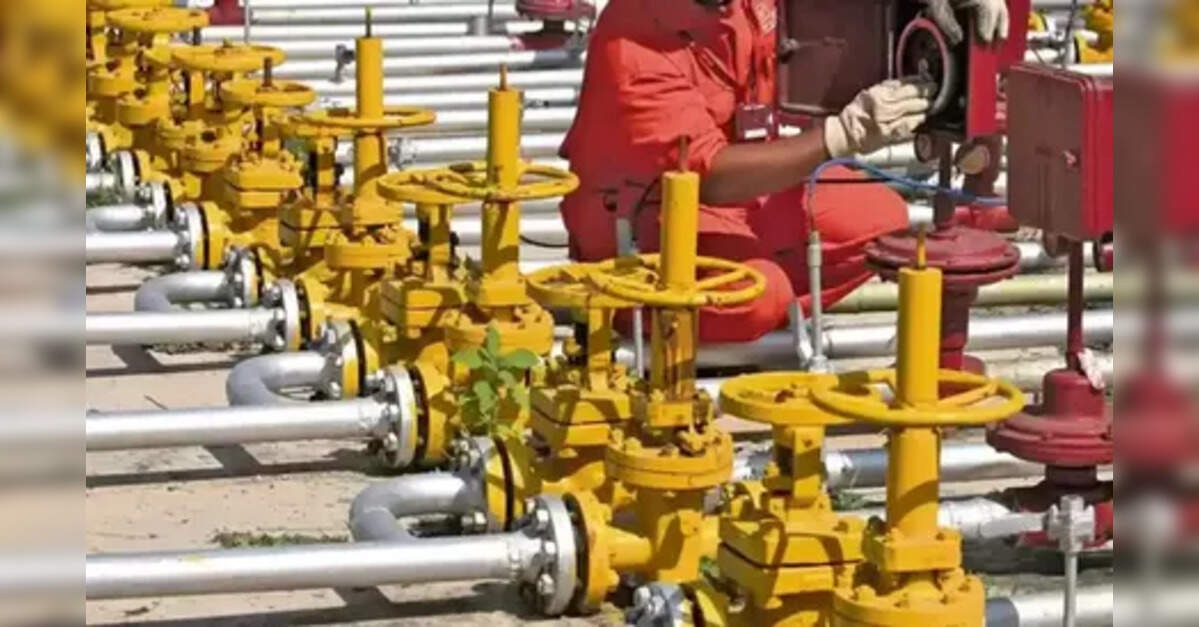
The Global City Gas Distribution (CGD) Market is witnessing a transformative phase as countries around the world intensify their efforts to transition toward cleaner, more sustainable, and environmentally responsible energy sources. Natural gas has emerged as a critical component of the global energy mix due to its lower carbon emissions compared to conventional fossil fuels such as coal and oil. As urban populations continue to grow and industrialization accelerates, the demand for reliable, cost-effective, and cleaner energy solutions is increasing significantly.
City gas distribution networks play a crucial role in delivering natural gas directly to residential, commercial, industrial, and automotive consumers. These networks ensure safe, efficient, and uninterrupted gas supply while supporting urban development and sustainable energy goals. As governments focus on reducing carbon emissions and enhancing energy security, investments in CGD infrastructure continue to rise globally.
Request For Sample Copy of Report For More Detailed Market insight: https://www.techsciresearch.com/sample-report.aspx?cid=20082#requestform
Industry Key Highlights
Global City Gas Distribution Market expected to reach USD 239.91 Billion by 2031.
Market projected to expand at a CAGR of 4.13% during the forecast period.
Growing adoption of CNG vehicles driving demand across transportation sectors.
Increasing deployment of PNG networks in residential and commercial establishments.
Expansion of gas pipeline infrastructure supporting market development.
Government initiatives promoting cleaner fuels accelerating market growth.
Automotive sector remains one of the largest end-user segments.
Rising industrial demand for cleaner energy solutions strengthening market opportunities.
Smart city initiatives creating new growth avenues for CGD operators.
Integration of renewable gases such as biomethane and hydrogen expected to reshape future market dynamics.
Key Market Drivers
Rising Demand for Cleaner Energy Sources
One of the most influential drivers of the City Gas Distribution Market is the global shift toward cleaner energy alternatives. Natural gas emits significantly lower levels of carbon dioxide, sulfur dioxide, and particulate matter compared to coal and petroleum products.
As governments implement stricter emission regulations and sustainability policies, industries and consumers are increasingly adopting natural gas as their preferred fuel source. This trend is driving the expansion of city gas distribution networks globally.
The growing emphasis on achieving net-zero emissions targets further reinforces the importance of natural gas as a transitional fuel in the global energy landscape.
Expanding Urbanization and Infrastructure Development
Rapid urbanization is creating substantial demand for reliable energy infrastructure. Growing cities require efficient energy solutions for residential communities, commercial centers, industrial parks, and transportation systems.
City gas distribution networks offer an effective solution by providing uninterrupted fuel supply while reducing dependence on traditional fuels. Large-scale urban development projects and smart city initiatives are significantly boosting investments in gas distribution infrastructure.
As urban populations continue to increase, demand for PNG connections and CNG fueling stations is expected to rise steadily.
Government Support and Regulatory Initiatives
Governments across the globe are actively supporting the expansion of CGD networks through favorable policies, subsidies, tax benefits, and infrastructure investments.
Several countries have launched initiatives aimed at increasing natural gas penetration in their energy mix. These efforts include:
Expansion of pipeline infrastructure.
Licensing of new CGD operators.
Promotion of CNG-based transportation.
Incentives for industrial fuel conversion.
Development of smart city energy systems.
Such initiatives are creating a highly favorable environment for market growth.
Growing Adoption of CNG Vehicles
The transportation sector remains a major contributor to urban air pollution. Consequently, governments and consumers are increasingly turning to compressed natural gas as an environmentally friendly alternative.
CNG-powered vehicles offer several advantages:
Lower fuel costs.
Reduced carbon emissions.
Improved engine performance.
Lower maintenance requirements.
The rapid growth of public transportation fleets, taxis, buses, and commercial vehicles operating on CNG is driving substantial demand for city gas distribution infrastructure.
Increasing Industrial Energy Requirements
Industries are among the largest consumers of energy worldwide. Manufacturing facilities, chemical plants, food processing units, and other industrial operations increasingly rely on natural gas due to its efficiency and environmental benefits.
Natural gas provides a stable and cost-effective energy source for industrial processes such as:
Heating.
Drying.
Steam generation.
Power generation.
Metallurgical operations.
The growing industrial preference for cleaner fuels is contributing significantly to CGD market expansion.
Emerging Trends in the Global City Gas Distribution Market
Integration of Smart Gas Distribution Technologies
Digital transformation is reshaping the city gas distribution industry. Utilities are increasingly deploying advanced technologies to improve operational efficiency and customer service.
Smart gas distribution systems incorporate:
IoT-enabled sensors.
Advanced metering infrastructure.
Real-time monitoring systems.
Predictive maintenance solutions.
Automated leak detection technologies.
These innovations help improve safety, reduce operational costs, and enhance customer satisfaction.
Growing Adoption of Hydrogen Blending
Hydrogen is emerging as a critical component of future energy systems. Several countries are exploring hydrogen blending within existing natural gas networks as part of their decarbonization strategies.
Gas utilities are conducting pilot projects to assess the feasibility of integrating hydrogen into CGD infrastructure. This trend is expected to gain momentum as hydrogen production technologies become more economically viable.
Expansion of Renewable Natural Gas
Renewable natural gas (RNG), produced from organic waste materials, is gaining traction as a sustainable alternative to conventional natural gas.
The adoption of RNG offers multiple benefits:
Reduced greenhouse gas emissions.
Enhanced energy security.
Waste management solutions.
Circular economy support.
Many city gas operators are investing in RNG projects to diversify energy sources and meet sustainability goals.
Smart City Development Initiatives
The rise of smart cities is creating significant opportunities for CGD providers. Smart urban ecosystems require efficient and sustainable energy infrastructure capable of supporting residential, commercial, and transportation needs.
Natural gas distribution networks form an essential component of these developments, enabling cleaner and more efficient energy utilization.
Digital Customer Engagement Platforms
Utilities are increasingly adopting digital platforms that allow customers to:
Monitor consumption.
Manage billing.
Schedule services.
Receive alerts.
Access energy-saving recommendations.
These platforms improve customer experience while enhancing operational transparency.
Market Challenges
High Infrastructure Investment Requirements
Developing extensive pipeline networks and distribution systems requires substantial capital expenditure. Initial investments in pipeline installation, compression stations, metering systems, and maintenance infrastructure can be significant.
This financial burden often presents challenges for new market entrants and developing economies.
Regulatory and Compliance Complexities
The CGD industry operates under strict safety, environmental, and operational regulations. Compliance requirements can vary significantly across regions, increasing administrative complexity and operational costs.
Companies must continuously adapt to evolving regulatory frameworks to maintain market competitiveness.
Volatility in Natural Gas Prices
Global natural gas prices are influenced by geopolitical developments, supply-demand dynamics, weather conditions, and international trade policies.
Price fluctuations can impact profitability and influence consumer adoption patterns.
Competitive Analysis
Southern Co.
Enel SpA
Enbridge Inc.
Dominion Energy Inc.
TC Energy Corporation
Kinder Morgan Inc
Sempra Energy
National Grid Plc.
Oneok Inc.
Williams Companies Inc.
Customers can also request for 10% free customization on this report.
10 Benefits of the Research Report
Provides comprehensive market size and forecast analysis.
Identifies major growth drivers and emerging opportunities.
Offers detailed competitive landscape assessment.
Highlights key technological advancements and innovations.
Examines regional and country-level market dynamics.
Evaluates challenges and risk factors impacting market growth.
Delivers detailed segment-wise performance analysis.
Supports strategic planning and investment decisions.
Identifies future market trends and growth prospects.
Enables stakeholders to develop effective market entry and expansion strategies.
Browse latest Related Reports:
Video Conferencing Market Report
Video Game Market Report
Comments
Log in or sign up to join the conversation.