
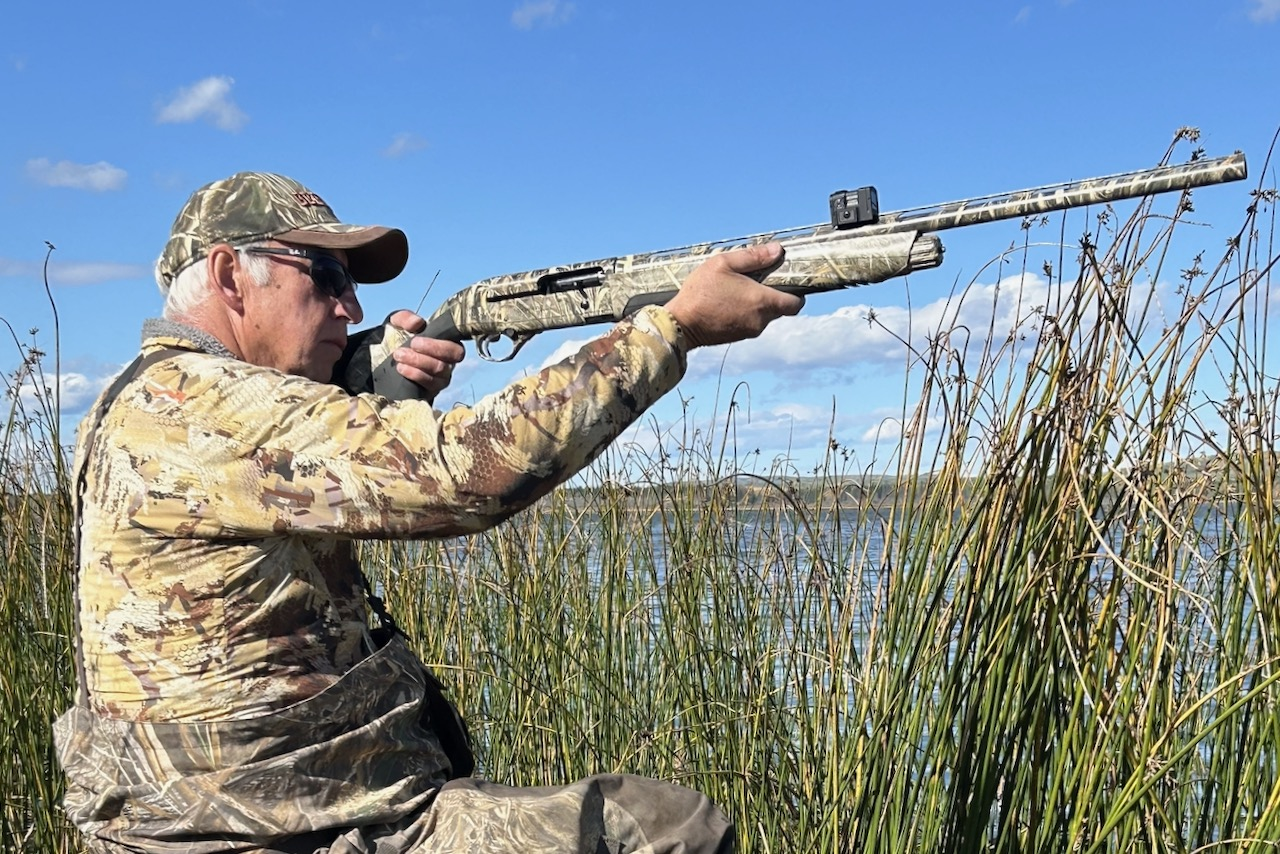
Selecting a red dot sight for shotgun applications involves a different set of priorities compared to rifle or pistol optics, largely driven by the fast target acquisition demands of wingshooting, clay sports, and moving-target hunting scenarios. Understanding these application-specific priorities helps buyers and retailers guide customers toward the right product for their actual use case.
Fast Target Acquisition as the Core Design Priority
Unlike precision rifle shooting, shotgun applications typically involve rapidly moving targets, whether birds in flight or clay targets, making a wide field of view and quick dot acquisition far more important design priorities than the fine precision adjustments valued in rifle optics applications.
Reticle Dot Size Considerations for Moving Targets
Shotgun-oriented red dot sights often use a larger dot size compared to precision rifle optics, since a larger dot is generally easier to acquire quickly on a moving target, even though it sacrifices some of the fine precision that a smaller dot offers for stationary, longer-range shots.
Parallax and Eye Relief for Fast Mounting
Because shotgun shooting often involves rapid gun mounting to the shoulder under time pressure, a sight with generous eye relief and minimal parallax sensitivity helps ensure the dot remains visible and accurate even when the shooter's head position isn't perfectly consistent shot to shot.
Weatherproofing for Field and Outdoor Use
Hunting and clay sports applications frequently expose optics to rain, dust, and temperature extremes, making robust weatherproofing and fog resistance particularly important specifications for buyers focused on this specific use case compared to indoor or range-only applications.
Mounting Compatibility With Common Shotgun Rib Systems
Buyers should confirm that a chosen sight's mounting system is compatible with their specific shotgun's rib or receiver configuration, since shotgun mounting standards vary considerably more than the more standardized rail systems common on many rifles and pistols.
Comparing Options for This Application
Buyers and retailers focused on hunting and clay sports applications can review the field of view, dot size options, and weatherproofing specifications offered for a red dot sight for shotgun use to compare products suited specifically to fast-target shooting scenarios.
Balancing Durability With Weight Considerations
Since shotguns are often carried and shouldered repeatedly throughout a hunting day or clay round, sight weight becomes a practical consideration alongside durability, as excessively heavy optics can affect gun balance and shooter fatigue over extended use.
Frequently Asked Questions
Why do shotgun red dot sights typically use larger dot sizes than rifle optics? A larger dot is generally easier to acquire quickly on fast-moving targets like birds or clays, prioritizing speed of acquisition over the fine precision a smaller dot offers for stationary or longer-range shooting.
How important is weatherproofing for a shotgun-specific red dot sight? Very important for hunting and outdoor clay sports applications, since these sights are frequently exposed to rain, dust, and temperature extremes during actual field use.
Does eye relief matter more for shotgun optics than other applications? Generally yes, since shotgun shooting often involves rapid gun mounting under time pressure, making generous eye relief and forgiving parallax characteristics particularly valuable for maintaining dot visibility during fast target acquisition.
Final Thoughts
Choosing the right red dot sight for shotgun applications requires prioritizing fast target acquisition, appropriate dot sizing, and field durability over the fine precision features valued in other shooting disciplines. Matching these application-specific priorities helps buyers select a sight genuinely suited to hunting and clay sports use.
Comments
Log in or sign up to join the conversation.