

Understanding the Difference Between Chamferihttps
Introduction
Precision machining requires more than accurate cutting and drilling operations. Edge finishing and hole preparation are equally important for producing high-quality industrial components. Two of the most commonly used tools for these applications are chamfer tools and countersink tools. Although both tools help create angled surfaces, they serve different purposes and are used in different machining situations.
Many machinists and manufacturers often confuse these tools because they appear similar in shape and function. However, understanding their differences is essential for selecting the right tooling solution and achieving better machining performance.
This guide explains the major differences between chamfer tools and countersink tools, their applications, benefits, working principles, and how they contribute to precision manufacturing operations.
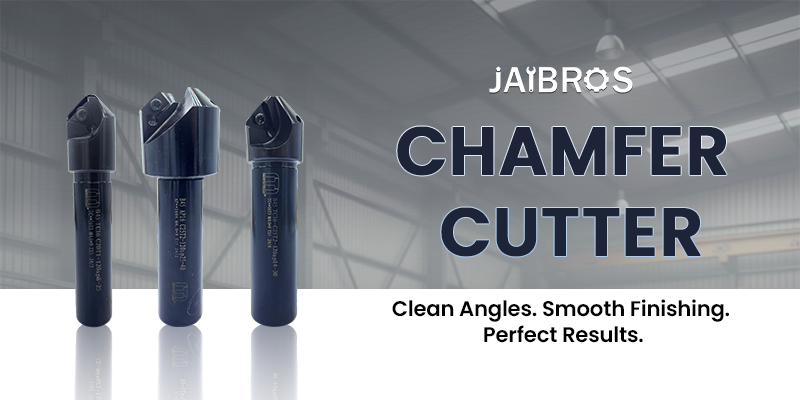
Understanding Chamfering and Countersinking in Machining
Before comparing these tools, it is important to understand the machining operations they perform.
What Is Chamfering?
Chamfering is the process of creating a beveled edge between two surfaces of a workpiece. The purpose of chamfering includes:
Removing sharp edges
Improving safety
Enhancing assembly
Reducing burrs
Improving product appearance
A chamfer tool is specifically designed to create these angled edges accurately and efficiently.
What Is Countersinking?
Countersinking is the process of enlarging the top portion of a drilled hole to create a conical opening for flat-head screws or fasteners.
The operation helps:
Allow screws to sit flush
Improve assembly quality
Enhance product appearance
Reduce protrusions
Countersink tools are mainly used in fastening and assembly applications.
What Is a Chamfer Tool?
A chamfering tool is a cutting tool used to create beveled edges on metal, plastic, wood, or machined components.
Manufacturers use chamfering for:
Deburring
Edge preparation
Weld preparation
Assembly improvement
Surface finishing
A properly selected chamfer tool helps improve machining quality and reduces secondary finishing operations.
What Is a Countersink Tool?
A countersink tool is designed to produce conical openings around drilled holes so fasteners can fit properly.
These tools are commonly used in:
Mechanical assembly
Sheet metal fabrication
Aerospace manufacturing
Automotive production
Furniture manufacturing
Countersink tools focus primarily on hole finishing rather than edge finishing.
Chamfer Tool vs Countersink Tool: Main Differences
Although both tools create angled cuts, their applications and designs differ significantly.
1. Primary Purpose
Chamfer Tool
The main purpose of a chamfering tool is edge preparation and bevel creation.
Applications include:
Removing sharp edges
Improving assembly
Deburring parts
Creating weld-ready surfaces
Countersink Tool
Countersink tools are mainly used to prepare holes for flat-head fasteners.
Their purpose includes:
Creating screw seats
Improving fastener fit
Producing flush surfaces
2. Machining Area
Chamfering Tools
Chamfering is usually performed on:
Outer edges
Internal edges
Surface corners
Cylindrical components
A back chamfer tool may also be used for internal chamfering applications where access is limited.
Countersink Tools
Countersinking focuses only on drilled holes and fastener seating areas.
3. Tool Geometry
Chamfer Tool Geometry
Chamfer tools often feature:
Single-angle cutting edges
Multiple flutes
Specialized edge-cutting profiles
They are optimized for edge finishing operations.
Countersink Tool Geometry
Countersink tools are designed with conical cutting profiles suitable for fastener seating applications.
Common countersink angles include:
82°
90°
100°
120°
4. Applications in Manufacturing
Chamfering Applications
Chamfer tools are widely used in:
CNC machining
Metal fabrication
Aerospace manufacturing
Automotive production
Precision engineering
Countersinking Applications
Countersink tools are common in:
Fastener installation
Sheet metal work
Woodworking
Furniture production
Assembly operations
5. Surface Finish Requirements
Chamfering focuses heavily on smooth edge finishing and burr removal.
Countersinking focuses more on proper fastener seating and hole appearance.
Advantages of Using Chamfer Tools
Chamfering provides several important manufacturing benefits.
Improved Safety
Sharp edges can create safety hazards for operators and end users.
Chamfering helps remove dangerous edges and improves handling safety.
Better Assembly Performance
Chamfered edges guide components together more easily during assembly operations.
Reduced Burr Formation
Machining operations often leave burrs that affect part quality.
Chamfering eliminates these imperfections efficiently.
Enhanced Product Appearance
Smooth beveled edges provide a more professional and finished appearance.
Improved Welding Preparation
Chamfered edges improve weld penetration and joint quality.
A high-quality chamfer tool helps manufacturers achieve these benefits consistently.
Advantages of Countersink Tools
Countersink tools also provide important production advantages.
Flush Fastener Installation
Countersinking allows screws to sit flush with the surface.
Better Assembly Quality
Proper screw seating improves assembly alignment and stability.
Improved Appearance
Flush-mounted fasteners create cleaner-looking finished products.
Reduced Fastener Interference
Countersunk screws reduce surface protrusions and improve functionality.
Chamfering Tools in CNC Machining
Modern CNC machining environments rely heavily on automated edge-finishing operations.
A dedicated chamfer tool cnc setup provides:
Faster production
Improved repeatability
Better machining consistency
Reduced manual finishing
Chamfering operations are commonly integrated into CNC milling and turning programs.
Chamfer Tools Used on Lathes
Turning operations frequently require edge finishing after machining cylindrical components.
A chamfer tool lathe setup allows machinists to create smooth bevels on:
Shafts
Bushings
Connectors
Threaded parts
This improves assembly performance and eliminates sharp edges.
How CNC Tools Work Together
Modern manufacturing environments use multiple advanced cnc tools during machining operations.
Typical tooling setups may include:
End mills
Drills
Thread mills
Reamers
Chamfering tools
Countersink tools
Each tool contributes to achieving precision, productivity, and superior surface quality.
Choosing Between a Chamfer Tool and a Countersink Tool
Selecting the right tool depends on the machining application.
Choose a Chamfer Tool If You Need:
Edge finishing
Burr removal
Weld preparation
Improved safety
Surface beveling
Choose a Countersink Tool If You Need:
Screw seating
Hole preparation
Flush fastener installation
Fastener alignment
Understanding the specific application helps improve machining results and tooling efficiency.
Best Practices for Chamfering and Countersinking
To achieve optimal performance:
Use correct cutting speeds
Maintain proper feed rates
Inspect tools regularly
Use proper coolant flow
Ensure machine rigidity
Select the correct tool angle
Proper machining practices improve tool life and surface quality.
Conclusion
Although chamfer tools and countersink tools may appear similar, they serve different purposes in manufacturing operations. Chamfering focuses on edge finishing, safety, deburring, and assembly improvement, while countersinking is mainly used for preparing holes for flush fastener installation. Understanding these differences helps manufacturers select the correct tooling solution for their machining requirements.
For businesses seeking dependable machining solutions, Jaibros offers a wide range of high-performance cutting tools and precision tooling products designed for modern manufacturing industries. From chamfering tools and CNC tooling systems to advanced machining accessories, Jaibros supports manufacturers with reliable solutions that improve machining quality, efficiency, and productivity.
FAQs
1. What is the main difference between a chamfer tool and a countersink tool?
A chamfer tool is used for edge finishing and bevel creation, while a countersink tool is mainly used to prepare holes for flush fastener installation.
2. Can a countersink tool replace a chamfer tool?
In some cases, countersink tools can create small chamfers, but they are not designed for general edge-finishing applications.
3. What industries commonly use chamfering tools?
Industries such as aerospace, automotive, CNC machining, metal fabrication, and precision engineering frequently use chamfering tools.
4. What is a back chamfer tool used for?
A back chamfer tool is used to create chamfers on internal or hard-to-reach surfaces where standard tools cannot access easily.
5. Why is chamfering important in CNC machining?
Chamfering improves safety, reduces burrs, enhances assembly, and improves the overall appearance and quality of machined components.
Comments
Log in or sign up to join the conversation.