

The global carbon felt & graphite felt market to reach USD 726.37 Million by 2031 at 7.14% CAGR, led by graphite felt and Asia Pacific industrial growth.
Industry Highlights
According to TechSci Research report, The Global Carbon Felt & Graphite Felt Market is projected to grow from USD 480.23 Million in 2025 to USD 726.37 Million by 2031, reflecting a healthy 7.14% CAGR over 2026–2031. Carbon felt and graphite felt are non‑woven, high‑temperature refractory insulation materials manufactured from carbon fiber precursors such as polyacrylonitrile (PAN) or rayon, which undergo carbonization and, for graphite felt, further graphitization at extremely high temperatures.
These materials combine high thermal stability with excellent electrical conductivity, low thermal expansion, and chemical inertness in non‑oxidizing environments, making them indispensable in vacuum furnaces, inert gas furnaces, and advanced battery systems. Rising demand for precision thermal management and reliable electrode performance under extreme conditions is at the heart of this market’s expansion.
Market Overview
Carbon felt and graphite felt serve as critical functional materials in high‑temperature industrial processes and emerging energy storage technologies. In furnaces used for metallurgy and semiconductor manufacturing, they act as insulation layers that stabilize thermal fields and protect components from heat stress, while in vanadium redox flow batteries and certain fuel cells, these felts function as porous electrode structures facilitating ion and electron transport.
Global demand for carbon fiber, the primary precursor for these felts, reached around 300 million pounds in 2024, indicating the broader industrial relevance of carbon‑based materials. However, the energy‑intensive nature of carbonization and graphitization processes means manufacturing costs are high, which can restrain adoption in highly price‑sensitive applications despite the technical advantages.
Key Market Drivers & Emerging Trends
Energy Storage Technologies
One of the most powerful demand drivers is the expansion of grid‑scale and long‑duration energy storage. Vanadium redox flow batteries, which rely on carbon or graphite felt electrodes, are gaining traction for large stationary installations due to long cycle life, safety, and deep‑discharge capability.
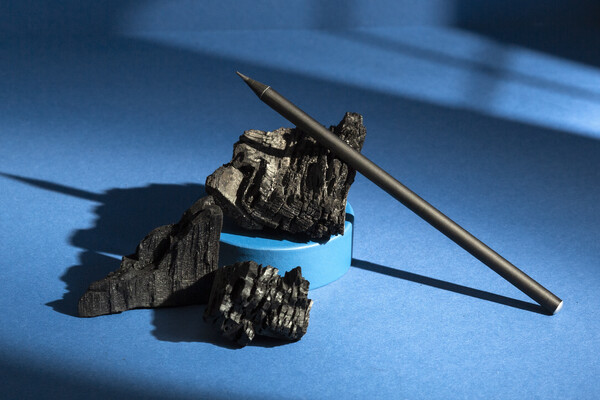
➝ 𝐂𝐀𝐑𝐁𝐎𝐍 & 𝐆𝐑𝐀𝐏𝐇𝐈𝐓𝐄 𝐅𝐄𝐋𝐓 𝐌𝐀𝐑𝐊𝐄𝐓 𝐎𝐔𝐓𝐋𝐎𝐎𝐊 𝐓𝐎 𝟐𝟎𝟑𝟏
Commissioning of very large vanadium redox flow facilities demonstrates that these technologies are moving from pilot scale to commercial reality, directly lifting demand for high‑performance electrode felts. As more utilities and industrial parks adopt long‑duration storage, the need for robust, chemically stable felts will grow correspondingly.
High‑Temperature Industrial Furnaces
Carbon and graphite felts are also essential insulation materials in vacuum and inert gas furnaces used in metallurgy, powder processing, and semiconductor production. Even when some semiconductor segments experience cyclical weakness, the underlying requirement for high‑performance thermal insulation persists across a broad set of industrial processes.
As furnace designs evolve to support tighter temperature control, lower contamination, and higher throughput, the quality and purity of felts used in the hot zone become increasingly critical, supporting demand for advanced grades.
Material Innovation for Enhanced Performance
Advanced material modification is a key trend. Manufacturers are developing felts with tailored porosity, surface area, and electrical resistance to optimize their performance as electrodes in flow batteries and other electrochemical systems.
Innovative products, such as new battery felts that combine rayon‑ and PANOX‑based carbon fibers, demonstrate how structural changes can lower resistance, increase surface area, and improve cycle stability. These R&D efforts strengthen the positioning of felts as enabling materials in next‑generation storage and high‑purity processes.
Capacity Expansion and Geographic Diversification
Strategic capacity expansion is another trend. Major carbon‑materials producers are investing in new plants and upgrading existing facilities to meet anticipated growth, particularly in emerging markets.
Plans that involve substantial investments in new manufacturing sites in countries such as Vietnam and India, with expected increases in overall capacity, show how suppliers are aligning production footprints with the geographic shift in demand toward Asia’s electronics, battery, and high‑temperature processing industries.
Challenges & Opportunities
The high manufacturing cost of carbon and graphite felts remains the most prominent challenge. Carbonization and graphitization require significant energy input, and comparable synthetic graphite processes illustrate just how demanding graphitization can be in terms of kilowatt‑hours per kilogram.
These energy requirements translate directly into elevated production costs, limiting adoption where lower‑priced alternatives can meet performance needs. For producers, this creates pressure to improve process efficiency, optimize energy use, and target applications where the performance premium is clearly justified.
At the same time, these constraints create opportunities in high‑value niches. Applications such as large flow batteries, semiconductor furnaces, and advanced fuel cells are more willing to pay for superior thermal and electrochemical performance, provided lifetime and reliability gains are demonstrable. Strategic focus on such segments can improve margins and support continued investment in process and product innovation.
Segmental Insights
Graphite felt is currently the fastest‑growing segment in the Global Carbon Felt & Graphite Felt Market. Its superior electrical conductivity, high thermal stability, and robust chemical resistance make it particularly attractive for demanding electrode and insulation roles.
In redox flow batteries, graphite felt delivers electrochemical stability and efficient electron transfer, which are crucial for long‑duration cycle life and high efficiency. In high‑temperature furnaces and certain fuel cell designs, graphite felt supports uniform heat distribution and withstands aggressive thermal cycles, reinforcing its rapid penetration into technically challenging applications.
Regional Insights
Asia Pacific is the leading region in the Global Carbon Felt & Graphite Felt Market. Robust industrial expansion, growing battery production, and a strong semiconductor and electronics component manufacturing base underpin this leadership.
Countries such as China, India, and Japan drive demand for thermal insulation in industrial furnaces, electrode felts in emerging energy storage systems, and advanced carbon materials in steel, electronics, and renewable energy equipment. Integrated supply chains and a strong emphasis on scaling energy storage solutions further reinforce Asia Pacific’s dominant position.
China’s role as both a major user of industrial heating systems and a center for high‑end materials and semiconductor development adds additional momentum to the regional market for carbon and graphite felts.
Competitive Analysis
Market Structure
This market is characterized by specialized advanced‑materials companies and diversified industrial groups that focus on carbon products, composites, and thermal management solutions. Their portfolios typically span graphite components, carbon composites, felts, and related insulation systems.
Key Market Players
SGL Carbon SE | Toray Industries, Inc. | Kureha Corporation | Nippon Carbon Co., Ltd. | Mersen S.A. | Morgan Advanced Materials plc | Beijing Great Wall Co., Ltd. | CeraMaterials LLC | Sichuan Junrui Carbon Fiber Materials Co., Ltd. | CM Carbon Co., Ltd.
These companies supply carbon felt, graphite felt, and complementary products to furnace builders, battery manufacturers, semiconductor fabs, and various high‑temperature process industries.
Strategies
Leading players are focusing on ultra‑high‑purity graphite felts for semiconductor hot zones, coated and rigid felt structures for longer furnace lifetimes, and specialized battery felts tailored to flow battery and other electrochemical requirements.
Capacity expansion in key growth regions, increased R&D spending on structural innovations like rigid flat felt with 3D integrity, and participation in standard‑setting alliances for advanced graphite materials are central elements of their strategies.
Recent Developments
Recent industry developments include advancements in graphite felt purity and structural design for semiconductor and high‑temperature applications, launch of new battery felts designed for flow batteries, and introduction of standards for isostatic graphite used in silicon carbide single crystal growth.
New products such as carbon fiber flat rigid felt with patented 3D structures are being positioned to deliver more uniform heating and improved process consistency for aerospace, EV battery sintering, and additive metal processing, underlining the material’s relevance in cutting‑edge manufacturing.
Real‑World Use Cases
In redox flow battery installations, graphite felt electrodes enable efficient energy storage and retrieval over thousands of cycles, supporting renewable integration and grid stability.
In semiconductor vacuum furnaces, ultra‑pure graphite felt serves as thermal insulation that minimizes contamination and maintains precise temperature profiles during crystal growth and wafer processing.
In advanced aerospace and EV battery sintering, rigid carbon felt structures provide uniform heating fields that improve part quality and reduce variation, supporting lean manufacturing and high reliability.
Expert Insights
Materials engineers see carbon and graphite felts as strategic enablers for future energy and high‑temperature technologies. As flow batteries, fuel cells, and advanced furnaces evolve, performance requirements for felts will continue to rise, creating a strong incentive for ongoing innovation in purity, structure, and coatings.
From a market perspective, focusing on high‑value applications and aligning capacity expansions with Asia Pacific’s industrial growth are likely to be key success factors. Collaboration with end‑users on co‑development of tailored felts can deepen relationships and create defensible competitive positions.
𝟏𝟎 𝐁𝐞𝐧𝐞𝐟𝐢𝐭𝐬 𝐨𝐟 𝐭𝐡𝐞 𝐑𝐞𝐬𝐞𝐚𝐫𝐜𝐡 𝐑𝐞𝐩𝐨𝐫𝐭
Quantifies Global Carbon Felt & Graphite Felt Market size and CAGR to 2031 for investment and planning.
Differentiates between carbon felt and graphite felt segments, highlighting where growth is strongest.
Explains demand drivers in energy storage, high‑temperature furnaces, and semiconductor manufacturing.
Details cost challenges from energy‑intensive carbonization and graphitization processes.
Tracks material innovation trends, including new battery felts and structural modifications for performance.
Covers capacity expansion and geographic diversification strategies among leading producers.
Highlights Asia Pacific’s role as the primary regional market and outlines key end‑use sectors there.
Summarizes recent product launches, standards, and technology demonstrations in advanced carbon felts.
Provides practical use cases that clarify where and how carbon and graphite felts deliver value.
Profiles major market players and their strategic directions, supporting competitive analysis and partnership decisions.
FAQ
What are carbon felt and graphite felt used for? They are used as high‑temperature insulation in furnaces and as electrode materials in energy storage and certain fuel cell systems.
Why is graphite felt growing faster than carbon felt? Graphite felt offers higher electrical conductivity and thermal stability, making it more suitable for demanding electrode and insulation applications, especially in flow batteries.
Why are manufacturing costs high for these felts? Production requires energy‑intensive carbonization and graphitization steps, which significantly increase electricity consumption and operating costs.
Which region leads the Global Carbon Felt & Graphite Felt Market? Asia Pacific leads due to strong industrial growth, battery production, semiconductor manufacturing, and integrated supply chains for advanced carbon materials.
Comments
Log in or sign up to join the conversation.