

Best Practices for Extending Carbide Drill Bit Tool Life
Introduction
In modern manufacturing, tool performance plays a big role , kinda in keeping productivity up, accuracy steady, and cost efficiency more controlled. CNC machining operations often run continuously under high pressure, so tool durability becomes really important, no joke. Among the various cutting solutions available today carbide drill bits are widely preferred, mostly because they offer great hardness, solid heat resistance, and they can keep precision during demanding applications.
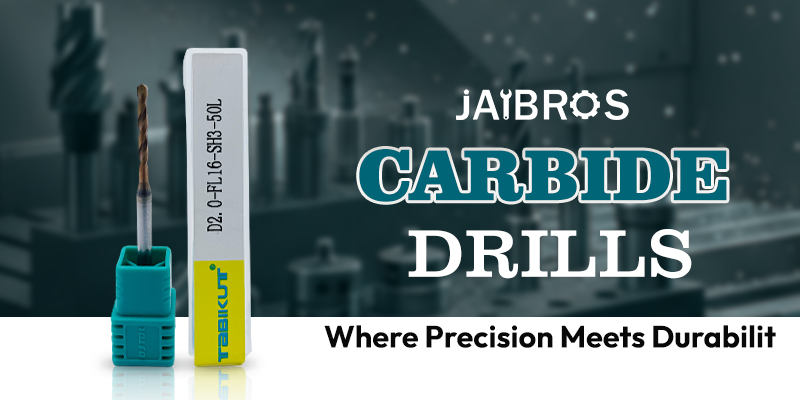
Still, even high quality drilling tools need proper usage and maintenance if you want to actually reach a maximum service life. If manufacturers stick to the right machining practices, they can cut down on tool replacement expenses and also improve overall production efficiency.
Choose the Right Tool for Your Application
The first step to extending tool life is selecting the correct drilling tool according to the machining requirement. Every material has different properties, and using the wrong tool can lead to premature wear, poor surface finish, and reduced accuracy.
For example, solid carbide drill bits are ideal for high-speed machining applications where precision and durability are essential. Choosing the right diameter, coating, and geometry ensures better performance and prevents unnecessary stress on the cutting edges.
Before selecting a tool, consider:
Workpiece material
Hole depth and diameter
Machine capability
Required cutting speed
Coolant availability
A properly selected tool always delivers better results and longer operational life.
Maintain Correct Cutting Parameters
Using incorrect cutting speeds and feed rates is one of the most common reasons for tool failure. Excessive speed can generate high temperatures, while an incorrect feed rate may increase cutting pressure.
A high-quality carbide drill performs best when operated according to the manufacturer's recommended parameters. Optimizing spindle speed and feed rate helps maintain cutting efficiency while reducing wear on the tool edges.
Proper machining parameters provide:
Better chip control
Reduced vibration
Improved hole accuracy
Longer tool life
Consistent machining results
Use Proper Coolant and Lubrication
Heat is one of the biggest challenges during drilling operations. Excessive temperature can weaken the cutting edge and shorten tool life.
During CNC drilling, using an appropriate coolant system helps control heat generation and improves chip removal. Internal coolant systems are especially useful for deep-hole applications where chips can become difficult to remove.
Proper coolant usage helps:
Reduce friction between tool and material
Prevent overheating
Improve surface finish
Increase machining stability
Regularly checking coolant flow and quality also contributes to better tool performance.
Ensure Proper Machine Setup
Machine stability has a direct impact on drilling tool life. Any vibration, misalignment, or poor tool holding can create uneven cutting forces and damage the tool.
To achieve better results:
Use a high-quality tool holder
Check machine alignment regularly
Keep the spindle clean
Ensure proper clamping
Avoid excessive tool overhang
Stable machine conditions allow carbide drill bits to operate smoothly and maintain their cutting accuracy for longer periods.
Keep Tools Clean and Properly Stored
Proper storage is often overlooked but plays an important role in maintaining tool quality. Dirt, moisture, and improper handling can damage the cutting edges before the tool is even used.
Follow these practices:
Store tools in protective cases
Avoid contact between cutting edges
Clean tools after use
Check for damage before installation
Good storage habits protect the tool surface and prevent unnecessary replacement.
Avoid Using Worn Tools
Continuing to use a damaged or worn tool can affect machining quality and increase production problems. A worn drill requires more cutting force, which can damage both the tool and the machine.
Regular inspection helps identify signs of wear, including:
Reduced cutting performance
Poor hole accuracy
Increased vibration
Burning marks on the workpiece
Excessive cutting noise
Replacing tools at the right time ensures consistent production and prevents unexpected failures.
Select High-Quality Tools for Better Performance
The quality of the drilling tool directly impacts machining results. Low-quality tools may have inconsistent material properties, leading to faster wear and frequent replacements.
Premium drill bits for metal are designed to handle demanding industrial applications while maintaining accuracy and reliability. They provide better resistance against heat and wear, making them suitable for continuous manufacturing environments.
Investing in reliable tools reduces downtime and improves overall productivity.
Applications of Durable Industrial Drilling Tools
Industries such as automotive, aerospace, engineering, and manufacturing require dependable tools for precision operations. High-performance industrial drill bits help manufacturers achieve accurate holes in different materials while maintaining production speed.
These tools are commonly used for machining:
Stainless steel components
Alloy materials
Hardened metals
Precision engineering parts
Heavy industrial components
With proper maintenance and correct machining practices, manufacturers can significantly improve tool efficiency.
Conclusion
Extending the life of carbide drill bits requires a combination of proper tool selection, optimized machining parameters, effective cooling, and regular maintenance. By following these practices, manufacturers can achieve better drilling performance, reduce costs, and improve production efficiency.
At Jaibros, we provide high-quality CNC cutting tools and machining solutions designed for precision, durability, and reliable performance. Our advanced tooling solutions help industries achieve consistent results and maximize productivity in every machining application.
Comments
Log in or sign up to join the conversation.