

Carbide vs HSS Cutting Tools: Choosing the Right Solution for CNC Machining
Selecting the right cutting tool is one of the most important decisions in any machining operation. The performance of a cutting tool directly affects machining accuracy, production speed, tool life, and overall manufacturing costs. Among the many tooling options available today, carbide and high-speed steel (HSS) remain the two most widely used materials in machining applications.
As manufacturing industries continue to adopt advanced automation and precision engineering, choosing the right CNC tool has become increasingly important. While both carbide and HSS tools are designed to remove material efficiently, they differ significantly in durability, cutting speed, heat resistance, and long-term performance.
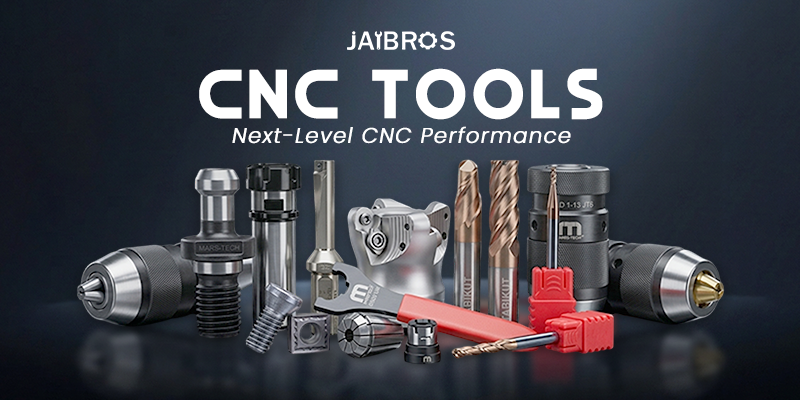
Understanding the strengths and limitations of each option helps manufacturers make informed decisions based on their production requirements. This guide compares carbide and HSS tools in detail to determine which one performs better in modern machining environments.
Understanding Carbide Tools
Carbide cutting tools are manufactured using tungsten carbide particles combined with a metallic binder. This creates an extremely hard and wear-resistant material capable of handling demanding machining conditions.
A carbide tool is commonly used in industries where high-speed cutting and precision machining are essential.
Key characteristics include:
Exceptional hardness
High wear resistance
Excellent heat tolerance
Longer operational life
Superior cutting performance
Carbide tools are widely used for machining steel, stainless steel, titanium, cast iron, and other difficult materials.
Understanding HSS Tools
High-Speed Steel (HSS) tools are manufactured using alloy steel that contains elements such as tungsten, chromium, vanadium, and molybdenum.
HSS tools are known for:
Good toughness
Lower cost
Easy sharpening
Resistance to impact
Versatility
These tools have been used for decades and remain popular in workshops, maintenance departments, and low-volume manufacturing environments.
Although HSS tools are generally less expensive than carbide alternatives, their performance differs significantly in high-speed machining applications.
Material Hardness Comparison
One of the biggest differences between carbide and HSS tools is hardness.
Carbide is significantly harder than HSS, allowing it to maintain a sharp cutting edge for longer periods.
Benefits of carbide hardness include:
Improved wear resistance
Better dimensional accuracy
Reduced edge deformation
Longer tool life
HSS tools are softer but tougher, making them less likely to chip under impact conditions.
For demanding machining operations, carbide generally offers superior cutting performance.
Cutting Speed Performance
Speed is a critical factor in manufacturing productivity.
A modern cnc tool made from carbide can operate at much higher cutting speeds compared to HSS.
Carbide tools allow:
Faster material removal
Shorter cycle times
Increased productivity
Higher spindle speeds
HSS tools typically require lower cutting speeds to prevent overheating and excessive wear.
For high-volume production environments, carbide provides a significant advantage in efficiency.
Tool Life and Durability
Tool replacement costs can have a major impact on overall production expenses.
Carbide tools usually last much longer because they resist wear more effectively.
Advantages include:
Extended service life
Fewer tool changes
Reduced downtime
Consistent machining quality
HSS tools wear more quickly, particularly when machining hard materials or operating at elevated speeds.
When evaluating long-term value, carbide often delivers greater productivity despite higher initial costs.
Heat Resistance
Heat generation is unavoidable during machining operations.
Carbide tools can withstand much higher temperatures without losing hardness.
Benefits include:
Stable cutting performance
Reduced thermal deformation
Better dimensional accuracy
Improved tool reliability
HSS tools lose hardness at lower temperatures, making them less suitable for aggressive machining conditions.
This is one reason why carbide tools are preferred in modern high-speed manufacturing environments.
Surface Finish Quality
Surface finish directly affects the quality of machined components.
Because carbide tools maintain sharper cutting edges for longer periods, they often produce:
Smoother surfaces
Better dimensional control
Reduced vibration
Improved consistency
A high-quality cnc tool can significantly enhance surface finish quality, particularly in precision machining applications.
HSS tools can also achieve good finishes, but edge wear may affect consistency over time.
Impact Resistance and Toughness
While carbide is harder, HSS offers greater toughness.
This means HSS tools are often better suited for applications involving:
Interrupted cuts
Heavy impact loads
Manual machining
Unstable machining conditions
Carbide tools may chip if subjected to excessive shock or improper cutting conditions.
Manufacturers must carefully evaluate machining requirements before selecting a tooling material.
Performance in CNC Machining
Modern CNC systems are designed to maximize productivity and precision.
A cnc machine tool often operates at high spindle speeds and feed rates that favor carbide tooling.
Carbide tools support:
High-speed machining
Automated production
Precision manufacturing
Consistent repeatability
Because CNC machines can maintain stable cutting conditions, carbide tools often outperform HSS alternatives in automated environments.
This makes carbide the preferred choice for many modern production facilities.
Cost Comparison
Initial cost is often a deciding factor when purchasing tooling.
HSS Tools
Advantages:
Lower purchase price
Affordable replacement cost
Suitable for small workshops
Carbide Tools
Advantages:
Longer tool life
Higher productivity
Reduced downtime
Lower long-term operating costs
Although carbide tools cost more initially, their performance often results in better overall value over time.
Best Applications for Carbide Tools
Carbide tooling is ideal for:
High-speed machining
Mass production
Hard material machining
Precision engineering
CNC manufacturing
Industries that demand accuracy and efficiency frequently rely on carbide cutting tools to achieve consistent results.
Best Applications for HSS Tools
HSS remains useful in many situations.
Common applications include:
Manual machining
Maintenance work
Low-volume production
Prototype development
General workshop operations
For businesses with limited machining requirements, HSS tools may provide a cost-effective solution.
Growing Demand for CNC Tooling in India
Manufacturing growth continues to drive demand for advanced tooling solutions.
The market for cnc tool in india has expanded significantly due to increased automation and industrial modernization.
Key industries include:
Automotive manufacturing
Aerospace engineering
Medical equipment production
Precision engineering
Industrial machinery
As manufacturers focus on efficiency and productivity, carbide tooling adoption continues to increase across various sectors.
Future of Cutting Tool Technology
Tooling technology continues to evolve rapidly.
Emerging developments include:
Advanced coatings
Nano-grain carbide materials
Smart tool monitoring
AI-driven tool management
Predictive maintenance systems
These innovations aim to further improve tool life, machining accuracy, and production efficiency.
As technology advances, carbide tooling is expected to play an even greater role in modern manufacturing.
Conclusion
Both carbide and HSS tools offer unique advantages, but their suitability depends on the application. HSS tools remain an economical choice for light-duty machining, maintenance work, and low-volume production. However, when speed, precision, durability, and productivity are priorities, carbide tools generally deliver superior performance.
For modern manufacturing environments utilizing advanced CNC systems, carbide tooling often provides better long-term value through extended tool life, higher cutting speeds, and improved machining quality. Businesses should carefully evaluate production requirements, material types, and budget considerations before making a tooling decision.
About Jaibros
Jaibros is a trusted supplier of industrial tooling and machining solutions in India. The company offers a comprehensive range of CNC cutting tools, measuring instruments, workholding products, and precision engineering solutions designed for modern manufacturing industries. With a strong commitment to quality and customer satisfaction, Jaibros helps businesses improve productivity and machining performance.
FAQs
1. Which is better, carbide or HSS tools?
Carbide tools generally offer better wear resistance, higher cutting speeds, and longer tool life, while HSS tools provide greater toughness and lower initial cost.
2. Why are carbide tools preferred in CNC machining?
Carbide tools can handle high spindle speeds, maintain sharp cutting edges longer, and deliver superior machining accuracy.
3. Are HSS tools still used today?
Yes, HSS tools are widely used for maintenance work, manual machining, prototyping, and low-volume production.
4. Do carbide tools last longer than HSS tools?
In most machining applications, carbide tools significantly outlast HSS tools due to their superior hardness and wear resistance.
5. Is carbide tooling worth the higher cost?
For high-production environments, carbide tooling often provides better long-term value through increased productivity, reduced downtime, and extended tool life.
Comments
Log in or sign up to join the conversation.