

Compare carbide CNC tools vs HSS CNC tools to understand differences, benefits, applications, and choose the right option for better machining performance.
Carbide vs HSS CNC Tools: A Complete Guide to Choosing the Right Cutting Tool
In modern manufacturing, selecting the right cutting tool plays an important role in achieving precision, speed, and cost efficiency. Among the most commonly used options, carbide and high-speed steel (HSS) tools are widely preferred for different machining applications. Understanding the difference between these two options helps manufacturers choose the right solution according to their production needs.
Selecting the right CNC tool depends on several factors, including machining material, cutting speed, production volume, and required surface finish. While carbide tools are known for their hardness and high-performance capabilities, HSS tools are appreciated for their flexibility and affordability.
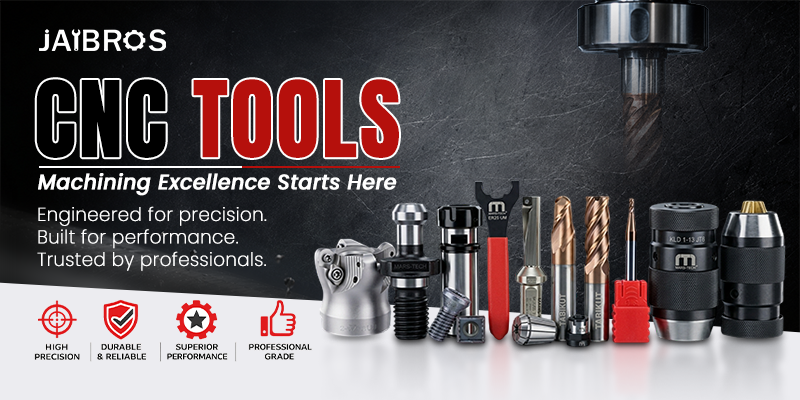
Both options have their own advantages and limitations. This blog explains the key differences between carbide and HSS cutting solutions, their applications, benefits, and how manufacturers can make the right choice.
What Are Carbide CNC Tools?
Carbide tools are cutting tools manufactured using tungsten carbide particles combined with a metal binder. This composition provides excellent hardness, heat resistance, and wear resistance. Due to their ability to maintain sharp cutting edges at high temperatures, carbide tools are commonly used in high-speed machining operations.
Industries that require continuous production and high accuracy often prefer carbide solutions because they provide longer tool life and better performance. Products like carbide drill and thread mill are frequently used in applications where precision and durability are critical.
A high-quality CNC tool made from carbide can handle challenging materials such as stainless steel, titanium alloys, cast iron, and hardened steels. These tools are especially suitable for manufacturers looking to increase productivity while reducing frequent tool replacement.
What Are HSS CNC Tools?
High-Speed Steel (HSS) tools are made from alloy steel containing elements such as tungsten, molybdenum, chromium, and vanadium. These materials improve toughness and allow the tools to withstand impact during machining operations.
HSS tools have been used in manufacturing for many years because they are economical and provide reliable performance for general machining tasks. They are commonly used for drilling, tapping, milling, and low-to-medium speed applications.
Compared with carbide tools, HSS options are more resistant to sudden shocks and are less likely to break during interrupted cutting operations. This makes them useful for workshops handling different machining requirements.
Carbide CNC Tool vs HSS CNC Tool: Key Differences
1. Material Hardness and Durability
The biggest difference between carbide and HSS tools is hardness. Carbide tools are significantly harder than HSS tools, allowing them to maintain cutting performance even at higher temperatures.
HSS tools offer better toughness, but they wear faster when used at very high cutting speeds. For heavy production environments, carbide tools generally provide better durability.
2. Cutting Speed Performance
Carbide tools allow manufacturers to operate machines at higher speeds and feeds. This results in faster production cycles and improved efficiency.
HSS tools work well at moderate speeds but may lose hardness when exposed to excessive heat. For industries focusing on mass production, carbide options often provide better productivity.
3. Tool Life
Tool life is an important factor when selecting machining equipment. Carbide tools usually last longer because of their excellent wear resistance and heat stability.
However, proper maintenance, correct cutting parameters, and suitable machining conditions are necessary to achieve maximum tool life from any cutting solution.
4. Cost Comparison
HSS tools have a lower initial cost compared with carbide tools. They are a practical choice for small workshops, repair work, and applications where machining speed is not the main priority.
Carbide tools require higher investment but can reduce long-term expenses because they need fewer replacements and support faster production.
Applications of Carbide and HSS Tools
Different industries use these tools according to their machining requirements. Carbide tools are commonly used in automotive, aerospace, medical equipment, and precision engineering industries.
HSS tools are widely used in general workshops and applications involving softer materials. They are suitable for operations where flexibility and affordability are more important than extreme speed.
Manufacturers searching for best CNC tools should consider factors such as material type, machine capability, production requirements, and budget before selecting a solution.
How to Choose Between Carbide and HSS Tools?
When choosing a CNC tool, manufacturers should evaluate the following points:
Machining Material
Hard materials usually require carbide tools because they can handle higher cutting forces and temperatures. Softer materials can often be machined effectively using HSS tools.
Production Volume
For large-scale production, carbide tools are usually preferred because they provide longer life and reduce downtime. For occasional machining work, HSS tools may be more economical.
Machine Capability
Modern CNC machines with higher spindle speeds can take full advantage of carbide tools. Older machines with limited speed may perform better with HSS options.
Budget Requirements
The initial cost difference between carbide and HSS should be considered along with long-term performance. A cheaper tool may require more frequent replacement, increasing overall operating costs.
Importance of Using Quality Machining Accessories
Along with cutting tools, accurate measurement equipment is also essential for successful machining operations. Tools such as a digital caliper vernier help operators measure dimensions accurately and maintain product quality.
Reliable measurement and cutting solutions together improve machining accuracy, reduce errors, and increase overall efficiency. Many manufacturers prefer purchasing reliable equipment from trusted suppliers instead of choosing low-quality alternatives.
Finding Reliable CNC Tools Online
Today, many manufacturers search for CNC tools online to compare products, specifications, and prices. Online platforms make it easier to find different machining solutions, including carbide inserts, drills, milling tools, and measurement instruments.
People often search for CNC tools near me when they need local suppliers or quick delivery options. However, quality, product specifications, and supplier reputation should always be considered before making a purchase.
The performance of a CNC tool depends not only on its material but also on manufacturing quality, correct application, and proper maintenance. Choosing the right supplier ensures better reliability and machining results.
Benefits of Choosing Carbide Tools for Modern Manufacturing
Carbide tools offer several benefits for industries that require high precision and efficiency:
Higher cutting speed capability
Improved surface finish
Longer operational life
Reduced machine downtime
Better performance on hard materials
Although carbide tools may have a higher upfront cost, their productivity advantages make them a preferred choice for many professional machining applications.
Benefits of HSS Tools
HSS tools continue to remain valuable because of their:
Affordable pricing
Good impact resistance
Easy sharpening capability
Versatility across applications
Suitable performance for general machining
They remain a practical option for workshops where extreme cutting speed is not required.
FAQs
1. Which is better, carbide or HSS CNC tools?
The better choice depends on the application. Carbide tools are ideal for high-speed production and hard materials, while HSS tools are suitable for general machining and budget-friendly operations.
2. Why are carbide tools more expensive than HSS tools?
Carbide tools use advanced materials that provide higher hardness, heat resistance, and longer tool life. Their manufacturing process and performance capabilities make them more expensive.
3. Can HSS tools be used for CNC machining?
Yes, HSS tools can be used for CNC machining, especially for drilling, tapping, and applications requiring toughness rather than extremely high cutting speeds.
4. How can manufacturers increase tool life?
Manufacturers can increase tool life by selecting the correct cutting parameters, using proper coolant, maintaining machines, and choosing the right cutting solution for the material.
5. Where can I buy reliable machining tools?
Reliable machining tools can be purchased from trusted industrial suppliers that provide quality products, technical support, and a wide range of machining solutions.
Conclusion
Choosing between carbide and HSS depends on machining requirements, production goals, and budget considerations. Carbide tools are the preferred choice for high-speed manufacturing, precision machining, and long-term productivity, while HSS tools remain useful for flexible and economical applications.
Investing in the correct CNC tool helps manufacturers improve efficiency, maintain accuracy, and achieve better machining results. Along with cutting tools, accurate measuring equipment like digital calipers and other accessories also play an important role in quality production.
Jaibros provides a wide range of reliable machining solutions, including carbide tools, drilling solutions, thread mill products, measurement tools, and other industrial accessories. With a focus on quality and performance, Jaibros helps manufacturers find suitable tools for different machining applications and improve their overall production efficiency.
Comments
Log in or sign up to join the conversation.