

Introduction
The global Capacitor Bank Market is steadily expanding as governments, utilities, and industrial organizations invest in modernizing electrical infrastructure to meet rising energy demand and improve grid reliability. As electricity consumption continues to increase worldwide due to rapid industrialization, urbanization, digital transformation, and electrification, maintaining power quality and system efficiency has become a strategic priority. Capacitor banks have emerged as an essential solution for improving power factor, reducing transmission losses, stabilizing voltage, and enhancing overall power system performance.
According to TechSci Research report, “Global Capacitor Bank Market– Industry Size, Share, Trends, Opportunity, and Forecast, 2021-2031F” The Global Capacitor Bank Market will grow from USD 5.75 Billion in 2025 to USD 7.29 Billion by 2031 at a 4.03% CAGR. Market growth is being driven by increasing investments in power transmission and distribution infrastructure, expanding renewable energy integration, modernization of aging electrical networks, and growing demand for energy-efficient solutions across industrial and commercial sectors.
As countries accelerate their transition toward cleaner energy sources and smarter electrical grids, capacitor banks are becoming increasingly important for maintaining voltage stability and ensuring efficient electricity distribution. Continuous technological advancements in capacitor design, monitoring systems, and intelligent grid management are further strengthening market opportunities across developed and emerging economies.
Request For Sample Copy of Report For More Detailed Market insight: https://www.techsciresearch.com/sample-report.aspx?cid=15360#requestform
Industry Key Highlights
Global market expected to grow from USD 5.75 Billion in 2025 to USD 7.29 Billion by 2031.
Forecast CAGR of 4.03% during 2025–2031.
Rising investments in electrical infrastructure modernization.
Increasing adoption of capacitor banks for power factor correction.
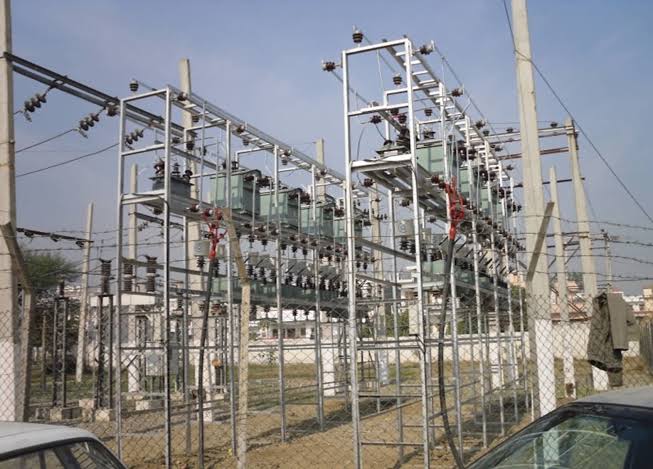
Open-air substations dominate the installation segment.
Power factor correction remains the leading application.
Growing renewable energy integration supporting market expansion.
Rapid industrialization driving demand for efficient power distribution.
Increasing deployment across utilities, manufacturing facilities, and data centers.
Asia Pacific expected to remain the fastest-growing regional market.
Market Overview
Capacitor banks have become indispensable components of modern electrical power systems by improving voltage regulation, minimizing transmission losses, and enhancing power quality. Their primary function is to provide reactive power compensation, allowing electrical networks to operate more efficiently while reducing unnecessary energy losses.
Power utilities, industrial manufacturers, commercial facilities, and infrastructure operators increasingly deploy capacitor banks to improve system reliability, lower electricity costs, and enhance operational efficiency. These systems help optimize power distribution by maintaining stable voltage levels during varying load conditions and reducing stress on electrical equipment.
As global electricity demand continues to rise, governments and utility companies are investing heavily in upgrading transmission and distribution networks. Modern capacitor banks play a critical role in supporting these infrastructure improvements by ensuring greater grid stability and accommodating fluctuating power requirements.
Growing investments in renewable energy projects such as wind farms and solar power plants are also creating significant opportunities for capacitor bank manufacturers. Since renewable energy sources often introduce voltage fluctuations into electrical grids, capacitor banks help maintain system balance and improve power quality.
In addition, increasing adoption of electric vehicles, smart manufacturing, intelligent buildings, and energy-intensive digital infrastructure continues to drive demand for reliable reactive power compensation solutions across global markets.
Key Drivers
Rising Investment in Power Infrastructure
Many countries are upgrading aging electrical grids to improve reliability, reduce transmission losses, and support growing electricity demand. Capacitor banks play an essential role in enhancing power transmission efficiency while maintaining stable voltage levels.
Growing Industrialization
Rapid industrial expansion across developing economies has significantly increased electricity consumption. Manufacturing plants, mining facilities, oil and gas operations, and heavy industries rely on capacitor banks to improve energy efficiency and reduce operating costs.
Renewable Energy Integration
The transition toward renewable energy has created additional demand for capacitor banks. Solar and wind power installations require voltage regulation and reactive power management to ensure stable grid operation despite fluctuating power generation.
Increasing Need for Energy Efficiency
Organizations are actively seeking technologies that reduce energy waste and improve operational efficiency. Capacitor banks improve power factor, minimize electrical losses, lower utility costs, and increase equipment lifespan.
Expansion of Electrification Projects
Governments worldwide continue investing in rural electrification, smart grid development, transportation electrification, and urban infrastructure modernization. These initiatives significantly expand opportunities for capacitor bank deployment across utility networks.
Emerging Trends
Smart Capacitor Banks
Manufacturers increasingly develop intelligent capacitor banks equipped with digital monitoring systems, remote diagnostics, and automated switching capabilities that optimize power system performance in real time.
Grid Digitalization
Utilities are integrating capacitor banks into smart grid ecosystems that leverage advanced communication technologies, sensors, and automation to improve grid reliability and operational visibility.
Renewable Energy Support
As renewable energy penetration increases, capacitor banks are becoming more sophisticated in managing reactive power fluctuations and supporting stable electricity transmission.
Data Center Expansion
The rapid growth of cloud computing, artificial intelligence, and digital services has increased demand for reliable electrical infrastructure. Capacitor banks help data centers maintain power quality while improving energy efficiency.
Sustainable Electrical Infrastructure
Utilities and industrial operators are increasingly investing in environmentally efficient electrical equipment that minimizes energy losses and supports long-term sustainability objectives.
Real-World Use Cases
Utility Power Networks
Electric utilities install capacitor banks throughout transmission and distribution networks to improve voltage stability, reduce transmission losses, and optimize electricity delivery across large service areas.
Manufacturing Facilities
Industrial plants deploy capacitor banks to improve power factor, reduce electricity bills, increase equipment efficiency, and minimize unexpected production interruptions caused by voltage instability.
Renewable Energy Plants
Wind farms and solar parks utilize capacitor banks to stabilize fluctuating voltage levels and ensure smooth integration with national electricity grids.
Commercial Buildings
Large office complexes, shopping malls, hospitals, and educational institutions install capacitor banks to improve electrical efficiency, reduce operating costs, and enhance power reliability.
Data Centers
Mission-critical data centers rely on capacitor banks to maintain consistent voltage, protect sensitive IT equipment, and improve overall energy performance.
Transportation Infrastructure
Railway systems, metro networks, airports, and electric vehicle charging infrastructure use capacitor banks to improve power quality while supporting increasing electrical demand.
Competitive Analysis
Eaton Corporation plc
Comar Condensatori S.p.A
ABB Ltd.
Enerlux Power s.r.l.
Hitachi Ltd.
Circutor S.A.
Siemens Aktiengesellschaft
Toshiba Corporation
Vishay Intertechnology Inc.
Alpes Technologies Private Limited
Customers can also request 10% free customization on this report.
Future Outlook
The future of the Global Capacitor Bank Market appears highly promising as countries continue modernizing electrical infrastructure and accelerating clean energy adoption. Growing investments in renewable power generation, smart grids, industrial electrification, and digital infrastructure are expected to sustain long-term market growth.
Open-air substations are projected to maintain their leading position due to widespread deployment across utility and industrial applications. Likewise, power factor correction will continue representing the largest application segment as organizations prioritize operational efficiency and lower electricity costs.
Asia Pacific is expected to remain one of the fastest-growing regional markets, supported by rapid industrial development, expanding urbanization, increasing investments in utility infrastructure, and widespread electrification initiatives. Countries such as China and India are anticipated to remain major contributors to regional demand due to large-scale infrastructure development and ongoing investments in power generation and transmission.
As smart grid technologies become increasingly sophisticated, future capacitor banks are expected to incorporate AI-driven monitoring, predictive maintenance, digital diagnostics, and automated voltage management capabilities, further enhancing power system efficiency and reliability.
10 Benefits of This Research Report
Provides comprehensive analysis of the global capacitor bank market.
Offers detailed market size forecasts and future growth projections.
Identifies major industry drivers and emerging market opportunities.
Examines evolving technology trends shaping power system modernization.
Provides detailed segmentation across voltage, type, installation, and application.
Profiles leading manufacturers and analyzes the competitive landscape.
Highlights regional growth opportunities and investment potential.
Explores practical industry applications through real-world examples.
Supports informed business planning and strategic investment decisions.
Delivers valuable market intelligence for utilities, manufacturers, investors, and policymakers.
Conclusion
The Global Capacitor Bank Market continues to evolve as power utilities, industrial enterprises, and commercial organizations prioritize energy efficiency, grid reliability, and sustainable electricity infrastructure. With the market expected to grow from USD 5.75 billion in 2025 to USD 7.29 billion by 2031, at a CAGR of 4.03%, capacitor banks will remain fundamental components of modern power systems.
The growing emphasis on renewable energy integration, electrical infrastructure modernization, and industrial automation is creating sustained demand for advanced capacitor bank solutions. Open-air substations and power factor correction applications continue to dominate the market, while smart grid technologies are driving the next generation of intelligent capacitor bank systems.
Looking ahead, continued investments in electrification, digital power management, and energy-efficient technologies will further strengthen market expansion. Manufacturers that focus on innovation, intelligent monitoring capabilities, and grid modernization solutions will be well positioned to capitalize on the evolving needs of utilities, industrial customers, and infrastructure developers across the global energy landscape.
Contact US:
Techsci Research LLC
420 Lexington Avenue, Suite 300,
New York, United States- 10170
Tel: +13322586602
Email: [email protected]
Web: https://www.techsciresearch.com/
Comments
Log in or sign up to join the conversation.