
Introduction
The canned vegetable industry is evolving as food manufacturers, retailers, and consumers respond to changing lifestyles, supply-chain requirements, sustainability expectations, and dietary preferences. Canned vegetables remain an important part of the packaged food sector because they provide extended shelf life, convenient preparation, and relatively consistent availability throughout the year. Recent developments are moving the category beyond its traditional image of basic preserved vegetables toward products with improved nutritional profiles, cleaner labels, convenient formats, and more specialized positioning.
The Canned Vegetable Market is experiencing developments across processing technologies, packaging, product formulation, distribution, and consumer engagement. Producers are increasingly seeking ways to improve quality while controlling costs and reducing waste. At the same time, changing household structures and demand for convenient meal solutions are encouraging manufacturers to introduce products designed for faster preparation and broader culinary applications.
Product Innovation Is Expanding the Category
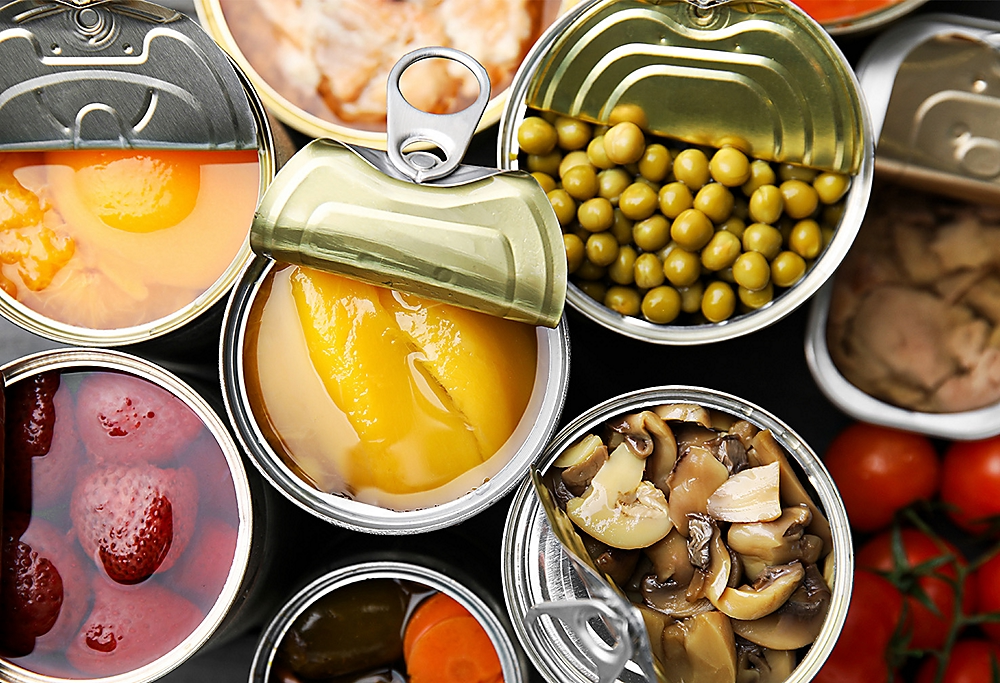
One of the most visible developments in the canned vegetable sector is the expansion of product varieties. Traditional products such as canned peas, sweet corn, tomatoes, carrots, green beans, and mixed vegetables continue to form the foundation of the industry. However, manufacturers are increasingly experimenting with combinations that target specific cooking occasions and consumer preferences.
Mixed vegetable blends are being developed with combinations tailored for soups, stews, salads, pasta dishes, rice meals, and side dishes. Some products combine vegetables with legumes, grains, sauces, herbs, or seasonings to create more complete meal components.
Specialty vegetables are also gaining attention. Products featuring mushrooms, asparagus, artichokes, chickpeas, lentils, and regionally preferred vegetables allow manufacturers to serve consumers looking for greater variety. These developments help differentiate products in a category where conventional offerings can otherwise appear highly similar.
Health-Oriented Formulations Are Gaining Attention
Nutrition has become an important area of product development. Consumers increasingly examine sodium, sugar, additives, and ingredient lists when selecting packaged foods. In response, manufacturers are modifying formulations and processing approaches to address these concerns.
Reduced-sodium canned vegetables are becoming an important product-development area. Some manufacturers are also offering no-added-salt alternatives, allowing consumers greater control over seasoning during meal preparation. Products emphasizing simple ingredient compositions can appeal to shoppers who associate shorter ingredient lists with less processed food choices.
Nutritional positioning is also influencing product communication. Vegetables naturally provide fiber, vitamins, minerals, and other nutrients, creating opportunities for brands to highlight their role in balanced diets. Preserving vegetables soon after harvesting can also help maintain nutritional value while providing year-round availability.
These developments are contributing to a broader shift in how canned vegetables are positioned. Rather than being viewed only as emergency pantry products, they are increasingly presented as practical components of everyday meals.
Advances in Processing Technology
Processing technology continues to influence product quality, operational efficiency, and shelf stability. Manufacturers are investing in improved thermal processing, filling systems, sterilization methods, and quality-control technologies.
Modern processing equipment can provide more precise control over temperature, pressure, filling volumes, and processing times. This can help maintain desirable texture, appearance, flavor, and nutritional characteristics while achieving the necessary safety requirements.
Automation is another significant development. Automated inspection systems, filling equipment, packaging lines, and inventory-management technologies can improve production consistency and reduce manual intervention. Digital monitoring systems can provide manufacturers with greater visibility across production processes, enabling faster identification of quality deviations and equipment problems.
As production facilities become more technologically advanced, manufacturers can pursue operational improvements while maintaining the high safety standards required for shelf-stable foods.
Packaging Developments Are Changing Consumer Convenience
Packaging innovation is becoming increasingly important in the canned vegetable industry. Traditional metal cans remain widely used because of their durability, long shelf life, and strong protection against external conditions. Nevertheless, manufacturers are exploring new formats and design features to make products easier to store, open, portion, and use.
Easy-open lids are particularly relevant for convenience-focused consumers. Improved opening mechanisms can make canned products more accessible to older consumers and households seeking faster meal preparation.
Portion sizes are also evolving. Smaller cans can serve individuals or smaller households without creating substantial leftovers, while larger formats remain valuable for families, institutional kitchens, restaurants, and foodservice operators.
Packaging design is also becoming an important communication tool. Clear product descriptions, nutritional information, preparation suggestions, and serving ideas can help consumers understand how canned vegetables can be incorporated into modern meals.
Sustainability Is Influencing Industry Development
Environmental considerations are becoming more prominent across the canned vegetable value chain. Producers are examining energy consumption, water usage, packaging materials, transportation efficiency, and food waste.
Metal packaging offers certain advantages because it is durable and recyclable in many markets. Manufacturers and packaging suppliers are nevertheless working to improve material efficiency by reducing unnecessary packaging weight while preserving structural performance.
Food waste reduction is another important consideration. Canned vegetables have long shelf lives, which can reduce losses associated with spoilage during transportation, storage, and household use. Their availability outside the normal harvest season can also help create a more stable supply of vegetables.
Processing facilities are exploring methods to improve water and energy efficiency. Modern equipment, heat-recovery systems, optimized production schedules, and improved resource monitoring can contribute to more efficient manufacturing operations.
Supply Chain Strategies Are Evolving
Supply-chain resilience has become a central development for canned vegetable producers. Agricultural production can be affected by weather conditions, water availability, crop diseases, labor constraints, input prices, and transportation disruptions.
Manufacturers are therefore paying greater attention to sourcing diversification and supplier relationships. Establishing procurement networks across multiple agricultural regions can help reduce dependence on a single production area.
Closer coordination between farmers, processors, distributors, and retailers is also becoming more important. Better forecasting can help manufacturers align raw vegetable procurement with expected consumer demand, reducing both shortages and excess inventory.
Cold-chain requirements are generally less restrictive for finished canned vegetables than for many fresh and frozen products, providing an advantage in distribution. This characteristic supports long-distance transportation and makes canned products suitable for markets where refrigeration infrastructure may be limited.
Premium and Specialty Segments Are Developing
The category is also experiencing differentiation through premium and specialty products. While affordability remains an important purchasing factor, some consumers are willing to pay more for specific attributes.
Organic vegetables, specialty varieties, gourmet combinations, regionally inspired recipes, and products with distinctive preparation methods can create opportunities for premium positioning. Manufacturers may also differentiate products through sourcing stories, cultivation practices, and packaging design.
This segmentation allows the industry to serve multiple consumer groups simultaneously. Value-oriented products can address budget-conscious households, while specialty products can target consumers seeking particular nutritional, culinary, or sustainability characteristics.
Foodservice Demand Is Supporting Product Innovation
Canned vegetables are also important for restaurants, catering operations, institutional kitchens, and other foodservice applications. These users often prioritize consistency, predictable availability, storage efficiency, and labor savings.
Pre-portioned or professionally oriented formats can simplify large-scale meal preparation. Canned vegetables can also reduce preparation requirements compared with raw ingredients that need washing, peeling, chopping, and cooking.
Manufacturers are developing products that can integrate efficiently into soups, sauces, casseroles, prepared meals, and other foodservice recipes. This creates opportunities for product specifications tailored to professional kitchens.
Digitalization Is Strengthening Consumer Engagement
Digital channels are increasingly influencing how canned vegetable products are introduced and marketed. Manufacturers and retailers can use online platforms to provide recipes, preparation guidance, nutritional information, meal-planning ideas, and product education.
Recipe-focused content is particularly relevant because consumers may purchase canned vegetables without knowing how to incorporate them into diverse meals. Demonstrating applications such as vegetable bowls, pasta dishes, curries, soups, salads, and quick side dishes can increase product versatility.
Digital inventory and demand-management systems are also helping businesses improve distribution. Retailers can use sales data to understand purchasing patterns, manage replenishment, and identify changing consumer preferences.
Regional Product Development Is Becoming More Important
Consumer preferences differ considerably across regions, encouraging manufacturers to adapt products to local cuisines. Vegetables commonly used in regional dishes can be combined with seasonings and preparation styles suited to local tastes.
In emerging markets, affordable shelf-stable food can be particularly relevant where consumers value convenience and reliable availability. In mature markets, product development may focus more heavily on premiumization, healthier formulations, sustainability, and convenience.
This regional diversity is encouraging companies to balance standardized production with localized product strategies.
Future Direction of Market Developments
Future developments in the canned vegetable sector are likely to center on convenience, nutrition, sustainability, technology, and product differentiation. Manufacturers will continue looking for ways to improve texture and flavor while maintaining safety and shelf stability.
Greater attention to recyclable packaging, resource-efficient processing, reduced food waste, and responsible agricultural sourcing can further shape industry practices. At the product level, healthier formulations, mixed vegetable combinations, convenient portions, and meal-oriented offerings are expected to remain important development areas.
The Canned Vegetable Market is therefore moving through a period of gradual transformation rather than simply relying on traditional shelf-stable products. Improvements in processing, packaging, sourcing, formulation, and consumer communication are creating new opportunities across the value chain. As households continue to seek convenient and practical food solutions, manufacturers that combine affordability, quality, nutrition, and usability can strengthen their position in an increasingly diversified packaged food environment.
Learn more: https://www.pristinemarketinsights.com/canned-vegetable-market-report
Comments
Log in or sign up to join the conversation.