

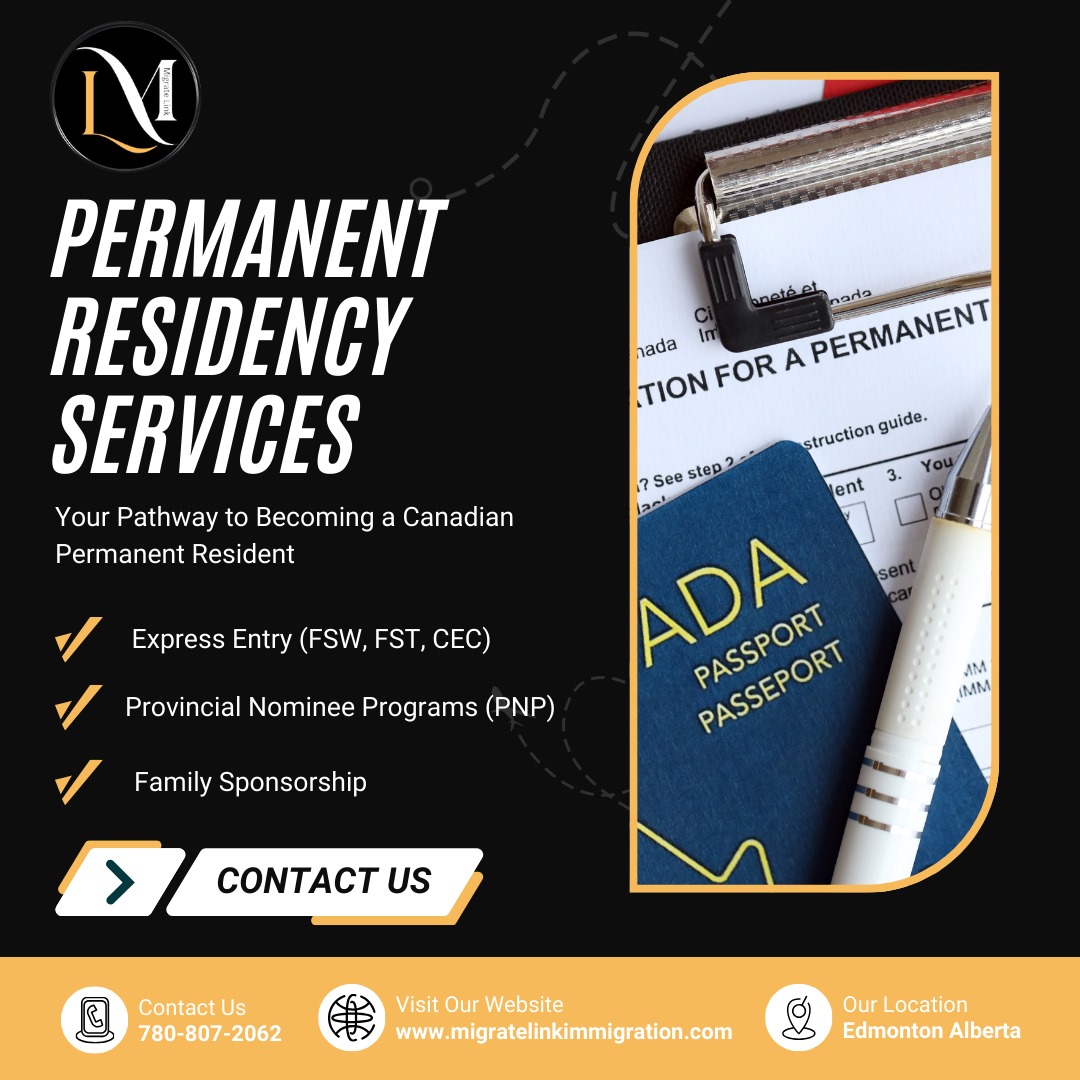
Moving to Canada can be an exciting opportunity for skilled professionals, international students, families, and entrepreneurs. However, immigration success depends on choosing an appropriate pathway, understanding current requirements, preparing accurate documents, and developing a realistic plan. In 2026, Canada’s immigration system is placing strong emphasis on economic immigration and addressing labour-market needs, while overall permanent resident admissions are planned at 380,000 for each year from 2026 to 2028.
For new applicants, understanding the system before submitting an application can reduce avoidable mistakes. This guide explains practical strategies to consider when planning your Canadian immigration journey.
1. Start With a Personal Immigration Assessment
The first strategy is to understand your own profile. There is no single immigration program that works for everyone. Your age, education, skilled work experience, language ability, occupation, family situation, and Canadian connections can all influence your available options.
Start by gathering information about your qualifications and identifying programs for which you may potentially qualify. Express Entry, Provincial Nominee Programs (PNPs), family sponsorship, regional programs, work permits, and study pathways can have very different requirements.
Rather than choosing a program simply because it is popular, applicants should focus on finding a pathway that genuinely matches their circumstances. Experienced immigration consultants Edmonton can help applicants organize their information and understand the differences between available options.
2. Understand Express Entry Before Creating a Profile
Express Entry is a major system for managing applications under Canada's federal economic immigration programs. New applicants should understand that creating an Express Entry profile does not itself guarantee an Invitation to Apply for permanent residence.
Candidates need to qualify for an eligible Express Entry program and then enter the pool. Their profiles are ranked using the Comprehensive Ranking System (CRS), and invitations depend on the type of round and the candidate's ranking.
A strong strategy is therefore to assess your profile before entering the pool. Look at your language results, education, work experience, and other factors that may affect your competitiveness.
A knowledgeable immigration consultant Edmonton Alberta can help explain how your profile fits the applicable requirements and where further preparation may be useful.
3. Pay Attention to Canada's 2026 Immigration Priorities
Canada's 2026–2028 Immigration Levels Plan focuses heavily on economic immigration and attracting talent needed to address labour shortages. Overall permanent resident admissions are targeted at 380,000 per year, and economic immigration represents the largest share of planned admissions.
The government has also announced a one-time 2026–2027 initiative intended to accelerate permanent residence for up to 33,000 temporary workers already contributing to communities and working in specific in-demand sectors.
For applicants, this means it is important to understand how their occupation, work experience, and current immigration status may fit within Canada's broader economic priorities.
4. Strengthen Your Language Profile
Language proficiency can be an important part of many economic immigration applications. Strong English or French results can help improve an applicant's immigration profile and, for eligible Express Entry candidates, can affect CRS ranking.
New applicants should prepare carefully for an approved language test and make sure they understand the language requirements of their chosen program.
If your initial result is not as strong as you hoped, additional preparation and another test attempt may be worth considering, provided the applicable program rules allow it.
Language improvement also has practical benefits after arrival, helping newcomers communicate in the workplace, access services, and participate more confidently in Canadian communities.
5. Document Your Work Experience Properly
Work experience can be one of the most important parts of a skilled immigration application. Applicants should not simply list job titles. Their employment history needs to be supported by appropriate evidence and should accurately represent the work they actually performed.
Keep employment records, reference letters, contracts, pay information, and other relevant documents organized. Make sure dates, positions, employer names, and job duties are consistent across your application.
If you are unsure how your experience fits an immigration occupation classification, getting professional guidance from immigration consultants Edmonton Alberta can help you understand the documentation you may need.
6. Explore Provincial Nominee Programs
A common mistake among new applicants is focusing only on Express Entry. Provincial Nominee Programs can provide additional immigration opportunities for applicants whose skills match provincial labour-market priorities.
Provinces and territories operate their own programs and may look for applicants with particular occupations, work experience, job offers, education, or connections to the province.
Applicants should research provincial programs carefully because requirements vary. An immigration strategy that works for one province may not apply to another.
For applicants considering Alberta or other provinces, professional guidance from immigration consultants Edmonton can help them compare potential provincial pathways with federal options.
7. Prepare Documents Before You Need Them
Strong immigration applications are rarely built at the last minute. Start preparing important documents as early as possible.
Depending on the program, applicants may need:
A valid passport
Language test results
Educational certificates and transcripts
Educational Credential Assessment, where applicable
Employment reference letters
Proof of work experience
Police certificates
Medical examination information
Proof of funds, where required
Family and civil-status documents
Early preparation gives you time to identify missing documents, correct legitimate inconsistencies, and obtain records that may take longer to process.
8. Keep Your Information Accurate and Updated
Accuracy is essential throughout the immigration process. Your application should reflect your actual circumstances and contain truthful information.
If your circumstances change—for example, you gain additional work experience, receive a new language result, marry, have a child, or change your contact information—you should understand whether the change needs to be reported or reflected in your immigration profile.
Avoid relying on outdated information from old blog posts or social media. Immigration rules and programs can change, and applicants should verify current requirements through official Canadian sources.
9. Create a Long-Term Immigration Strategy
New applicants should think beyond the immediate application. For example, a student considering Canada may want to understand how their education fits into future work and immigration opportunities. A temporary foreign worker may want to understand how Canadian work experience could relate to possible permanent residence pathways.
A long-term strategy should consider your career, preferred province, professional licensing, financial situation, and family plans.
This is where an experienced immigration consultant Edmonton Alberta can provide useful planning support. Instead of looking at one application in isolation, you can consider how different immigration decisions may affect your broader Canadian goals.
10. Be Careful When Choosing Professional Assistance
Professional immigration guidance can help applicants better understand complicated application requirements, but new applicants should choose representatives carefully. Avoid anyone who promises guaranteed visas, guaranteed PR, or guaranteed jobs.
A professional adviser should provide realistic information, explain the process clearly, and encourage you to submit truthful documentation.
If you are considering assistance from immigration consultants Edmonton Alberta, review their credentials and understand exactly what services they provide before entering into an agreement.
How MigrateLink Immigration Can Help
MigrateLink Immigration provides immigration guidance for individuals and families exploring Canadian immigration options, including Canada Permanent Residency, Express Entry, Provincial Nominee Programs, Work Permits, Study Permits, Visitor Visas, and Family Sponsorship.
For applicants looking for immigration consultants Edmonton, a professional immigration consultant Edmonton Alberta, or experienced immigration consultants Edmonton Alberta, personalized assistance can help clarify available pathways, organize documentation, and develop a practical application strategy.
Professional guidance cannot guarantee approval because final decisions are made by Canadian immigration authorities. However, careful preparation can help applicants better understand the process and avoid preventable mistakes.
Final Thoughts
Canada immigration in 2026 requires thoughtful planning rather than a one-size-fits-all approach. Start by assessing your profile, understand the programs available to you, strengthen your qualifications where possible, prepare your documents early, and keep your information accurate.
The current immigration environment places strong emphasis on economic immigration and Canada's labour-market needs, making it especially important for skilled applicants to understand how their experience and occupation may fit within available pathways.
With informed planning and guidance from experienced immigration consultants Edmonton, a trusted immigration consultant Edmonton Alberta, and professional immigration consultants Edmonton Alberta, new applicants can approach their Canadian immigration journey with greater confidence.
Website: www.migratelinkimmigration.com
Contact No.: 780-807-2062
Email: [email protected]
Immigration programs and requirements can change. Always verify current eligibility and application requirements through official Canadian government sources before applying.
Comments
Log in or sign up to join the conversation.