

Discover how carbide drill bits improve CNC production speed with better durability, precision, and efficiency for faster and more reliable machining operations.
Boost CNC Manufacturing Efficiency with Advanced Drilling Solutions
Introduction
In today's competitive manufacturing environment, increasing production speed while maintaining accuracy is a major goal for every industry. CNC machines are designed to deliver fast and precise operations, but the performance of these machines heavily depends on the quality of cutting tools being used. Choosing the right drilling solution can significantly impact machining time, tool life, and overall productivity.
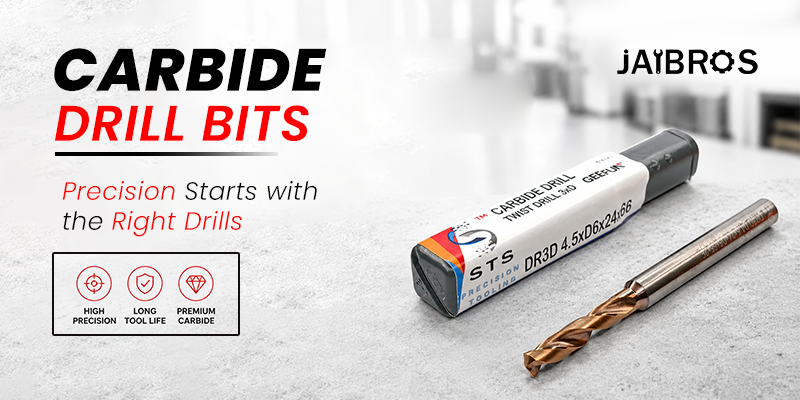
Among various drilling tools available in the market, carbide drill bits are widely recognized for their ability to handle high-speed machining operations. Their advanced material properties, durability, and precision make them suitable for manufacturers looking to improve CNC production efficiency.
The Connection Between Tool Performance and Production Speed
CNC production speed is not only determined by machine capability. Factors such as cutting tool quality, material compatibility, feed rate, and machining stability also play an important role.
When a tool wears quickly, manufacturers experience frequent replacements, machine downtime, and inconsistent results. A high-performance drilling tool helps maintain continuous production by reducing interruptions and improving machining reliability.
Using carbide drill bits allows CNC machines to operate at higher cutting speeds compared to many traditional drilling solutions. Their hardness and heat resistance enable them to perform efficiently even under demanding machining conditions.
How Carbide Technology Improves Machining Efficiency
Carbide is a highly durable material known for its excellent strength and wear resistance. Unlike conventional tools that may lose sharpness quickly at high temperatures, carbide tools maintain their cutting performance for longer periods.
The use of solid carbide drill bits provides several advantages in CNC applications:
Higher cutting speed capability
Improved hole accuracy
Reduced tool replacement frequency
Better surface finish
Enhanced machining consistency
These advantages directly contribute to faster production cycles and improved operational efficiency.
Faster CNC Drilling with Better Tool Stability
Tool stability is one of the most important factors in achieving high-speed machining. Excessive vibration or tool deflection can slow down operations and affect the final quality of components.
A properly designed carbide drill offers excellent rigidity, allowing it to maintain accurate cutting performance during continuous machining. This stability helps manufacturers achieve precise holes while reducing the risk of tool breakage.
In high-volume production environments, even small improvements in drilling time can result in significant productivity gains.
Better Performance Across Different Materials
Manufacturers often work with challenging materials that require reliable drilling solutions. Using the wrong tool can lead to poor results, increased wear, and slower production.
High-quality drill bits for metal are designed to handle materials such as:
Stainless steel
Alloy steel
Cast iron
Hardened metals
Aluminum alloys
Their ability to maintain cutting efficiency across different materials makes them valuable for industries that require consistent machining performance.
Reducing Downtime and Increasing Productivity
Machine downtime is one of the biggest challenges in manufacturing. Frequent tool changes, damaged tools, and poor drilling performance can reduce overall production output.
With longer tool life and better wear resistance, carbide drill bits help reduce unnecessary interruptions. Operators spend less time replacing tools and more time completing production tasks.
This results in:
Improved machine utilization
Lower operating costs
Higher production output
More consistent product quality
For manufacturers focused on efficiency, investing in durable tooling solutions can create long-term benefits.
Role of Proper Parameters in CNC Drilling
While choosing the right tool is important, correct machining parameters are equally necessary. Even the best drilling tools cannot perform efficiently if used with incorrect settings.
During CNC drilling, manufacturers should consider:
Cutting speed
Feed rate
Coolant application
Workpiece material
Machine condition
Optimizing these factors allows the tool to perform at its maximum capability and achieve better production speed.
Importance of Industrial-Grade Drilling Solutions
Large-scale manufacturing requires tools that can handle continuous operation without compromising accuracy. High-quality industrial drill bits are developed for demanding applications where reliability and performance are essential.
Industries such as automotive, aerospace, engineering, and heavy manufacturing depend on advanced drilling tools to maintain productivity and meet strict quality standards.
By selecting the right tooling solution, manufacturers can improve machining speed while maintaining precision and reducing production challenges.
How to Maximize the Benefits of Carbide Tools
To achieve the best performance from advanced drilling tools, manufacturers should follow proper maintenance practices:
Select the correct tool according to material requirements
Use recommended cutting parameters
Maintain proper coolant flow
Inspect tools regularly
Replace tools before excessive wear occurs
These practices help extend tool life and ensure consistent machining performance.
Conclusion
Yes, carbide drill bits can significantly improve CNC production speed by offering higher cutting capabilities, better durability, and improved machining stability. Their ability to perform under high-speed conditions makes them an ideal choice for manufacturers seeking faster and more efficient production.
At Jaibros, we provide reliable CNC cutting tools and machining solutions designed to support modern manufacturing needs. Our quality-focused products help industries achieve better accuracy, longer tool life, and improved productivity across various machining applications.
Comments
Log in or sign up to join the conversation.