

Having a steady supply of good tomato paste is crucial when running a food business. If you manufacture ketchup, sauces, canned soups, or hot pots, the quality of your obtained raw material necessarily translates into the quality of the final product. Purchasing tomato paste in bulk allows food factories to ensure large outputs and competitive prices without interrupting processing.
It is extremely important to cooperate with a reputable tomato paste manufacturer while purchasing tomato paste in drum. The supplier should guarantee reliable delivery times, high concentration of tomato paste, and cleanliness. Here is what you need to know about buying tomato paste in bulk, its quality, and how to choose a factory for future cooperation.
Companies producing food and re-packing food products choose drum packaging for obvious operational reasons. Huge steel drums are equipped with sterile aseptic bags to keep all flavor, appetizing color, and beneficial ingredients of the product in their original form without any chemical additive.
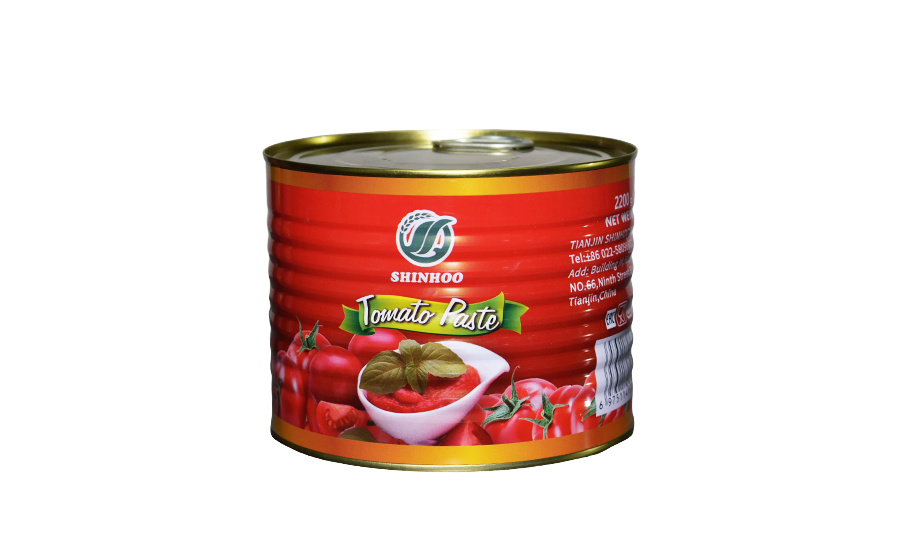
Each standard steel drum holds about 220 kilograms of concentrated paste. For larger food plants, wooden tote bins holding 1,000 kilograms are also common. This heavy packaging keeps oxygen out and protects the product during ocean transit.
The major advantages of buying bulk drum containers are:
• Durability: The vacuum sealed contents of the aseptic bag can be stored under cool conditions for a period of 24 months.
• Economy: Packing products in bulk reduces the weight of the container and lowers shipping cost in a unit compared to cans.
• Stable Quality: Processing in large batches ensures that the products have the same level of Brix, density, and acidity in each drum.
• Flexibility: Factories can mix the bulk paste with salt, water, or spices and produce sauces, marinades, or sachets for sale.
Understanding Concentrations: Brix and Processing Methods
• Bulk paste does not all come in the same form. When selecting bulk paste from a factory, one picks product specifications that will work for the specific dish one needs to prepare. The most important parameter is Brix level, which indicates tomato solids:
• 28-30% Brix: This level is typical for ketchup, canned fish sauces and the sauces commonly used in everyday cooking. The paste dissolves and blends well.
• 36-38% Brix: This is an extremely concentrated paste that has great economy in shipping since less water weight is to be transported by sea.
Processing heat also affects texture and property of the paste:
• Cold break paste: Heat treatment at lower temperature (around 65 degrees). This method helps preserve fresh flavor, bright color and enzyme activity. This paste is well-suited for juices and mixes for fresh table sauces.
• Hot break paste: Heat treatment achieved at higher temperature (above 85 degrees). Heating results in breaking down pectin and formation of thick paste, which is perfect for ketchup and barbecue sauce.
What to Look for in a Tomato Paste Manufacturer
To be effective in the bulk supply of food products, it is essential to conduct thorough screenings. Modest fault in batch processing can spoil an entire production run in your plant.
An ideal example of what buyers are looking for in bulk suppliers is the Tianjin Shinhoo Food Co., Ltd. The company is located in Tianjin Binhai New Area close to Tianjin Xingang port and directly on major shipping ways. Immediate port opening makes the transportation of goods quicker.
This is the checklist of essential requirements to ask from your supplier:
1. Complete tracking of supply chain
The quality begins from the field. The best producers track tomato harvests, processes of sorting, washing, and steam evaporation. That way it becomes possible to find any drum back to the producer.
2. Use of modern machinery and capability
Modern production lines are very important. Mechanized process of feeding, vacuum degassing, horizontal heat sterilization, and mechanized sealing help avoid contamination. Enough volume of production, for example more than 60000 tons of Shinhoo annual production, guarantees no failures and continuity in orders.
Strict Quality Certifications
Food safety regulations are paramount. Make sure that the supplier possesses internationally accepted food safety certification and tests their goods for acidity, viscosity, mold count and the presence of heavy metals.
Packaging Options
While industrial buyers favor large drums for commercial manufacturing, it’s advantageous for businesses to have smaller design options available. Factories also process canned paste, bags, hot pot bases and tomato juice to fulfill different market requirements. Streamlining Your Shipping and Sourcing
The bulk food ingredient imports need straightforward sea transport. Dealing with the vendors, who work near the ports, minimizes transportation fee and ocean shipping time.
While planning a bulk order, you need to perform the following operations:
• Verify the specifications of the product you require (Brix, type of break, viscosity).
• Evaluate the loading limits for the containers (approximately 80 drums per 20-foot container).
• Get batch test reports and health certificates for customs clearance.
Fresh tomato paste in a drum is needed to ensure smooth order flow and profitability. Collaborating with well-known tomato paste manufacturer like Tianjin Shinhoo Food co.,ltd is a good way to guarantee a stable supply of raw materials and safety regulations.
Comments
Log in or sign up to join the conversation.