

Building Safer Recycling Operations: Managing Lithium-Ion Battery Risks Across the Waste Stream
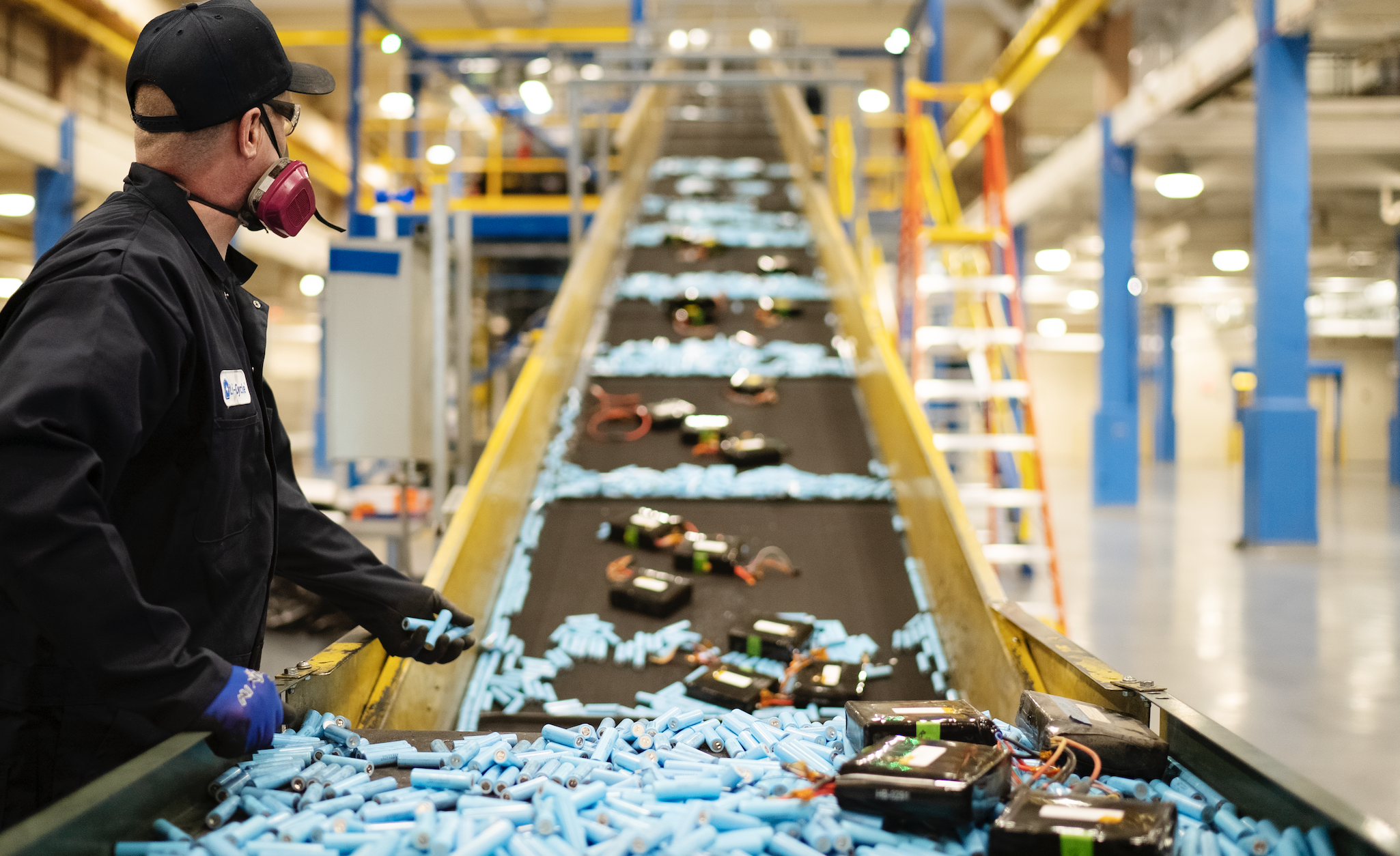
Lithium-ion batteries have transformed how people use electronics, tools, transportation and household devices. Their growing presence, however, has created a difficult safety problem for the waste and recycling industry.
Phones, laptops, power tools, e-bikes, toys and countless rechargeable products eventually reach the end of their useful lives. When their batteries are mistakenly placed in household trash or curbside recycling, they can travel through collection trucks, transfer stations and recycling facilities that were never designed to handle them.
The U.S. Environmental Protection Agency (EPA) advises consumers not to place lithium-ion batteries or devices containing them in household garbage or recycling bins. Instead, they should go to separate recycling or household hazardous-waste collection points.
For recycling operators and waste haulers, managing this growing risk requires a strategy that covers the entire waste stream.
Understand Where Lithium-Ion Battery Risks Begin
Lithium-ion batteries can retain significant energy even after consumers consider them "dead." Problems may occur when batteries are crushed, punctured or otherwise damaged during waste handling.
That makes conventional collection and processing particularly challenging.
A battery hidden among cardboard, plastics and other recyclables may pass unnoticed into a collection vehicle. Compaction can damage it. If it reaches a recycling facility, additional pressure from conveyors and processing equipment can create another opportunity for an incident.
The EPA warns that improperly managed batteries can become fire hazards during transportation and processing.
Effective prevention therefore begins before batteries reach recycling facilities.
Improve Consumer Education at the Collection Point
Consumers are an important part of recycling safety.
Many people understand that batteries can be recycled but may not understand that "recyclable" does not necessarily mean suitable for a curbside recycling container.
Waste companies and municipalities can reduce confusion by clearly identifying prohibited materials and directing customers toward appropriate collection options.
Information can be communicated through websites, billing materials, social media, container labels and community education campaigns. Instructions should explain where batteries can be taken and why keeping them out of ordinary recycling matters.
The goal is to prevent hazardous items from entering collection vehicles in the first place.
Strengthen Communication Between Drivers and Dispatch
Frontline waste employees are another critical part of battery-risk prevention.
Drivers and collection crews regularly see materials before they enter trucks. Employees who recognize rechargeable batteries, electronics and other potentially hazardous items have an opportunity to prevent them from traveling farther through the waste stream.
Dusty Ferrell, General Manager & Dispatcher at Ted's Trash Service Inc., represents the operational side of this challenge. Effective waste collection depends heavily on communication between customers, drivers and dispatch personnel. When employees have clear procedures for identifying and reporting potentially hazardous materials, problems can often be addressed earlier in the collection process.

Training should cover common battery-powered products as well as procedures employees should follow when questionable materials are discovered.
Dispatch teams can support those efforts by documenting incidents, communicating instructions and identifying recurring problems on particular routes or with certain waste streams.
Work With Industry Organizations to Establish Safer Practices
Individual waste companies do not have to address lithium-ion battery risks alone.
Industry organizations can help operators develop consistent safety practices and improve awareness throughout the waste stream.
The Solid Waste Association of North America (SWANA) has worked with the National Waste & Recycling Association on lithium-ion battery disposal challenges. The organizations have emphasized that these batteries require special handling and should not be placed in waste or curbside recycling containers. They also support take-back programs and public education designed to improve proper disposal.
Industry collaboration is especially valuable because battery risks affect nearly every stage of waste management.
Collection companies encounter batteries in trucks. Transfer stations encounter them in mixed loads. Material recovery facilities encounter them on processing lines. Recycling companies eventually need appropriate systems for recovering the materials.
Shared guidance allows organizations to learn from incidents across the industry rather than only from problems occurring within their own operations.
Create Battery Management Procedures Inside Recycling Facilities
Even strong consumer education will not prevent every battery from reaching a recycling facility.
Facilities therefore need procedures for identifying and managing batteries that slip through.
Employees working around sorting lines should be trained to recognize loose rechargeable batteries and products likely to contain them. When batteries are discovered, workers need a predetermined procedure for safely removing and isolating them.
Facilities should also consider where batteries are most likely to appear and where processing equipment creates the greatest risk of physical damage.
Housekeeping matters as well.
Paper, plastic, dust and other combustible materials can contribute to the spread of a fire. Keeping work areas clear and following established cleaning procedures can complement battery-specific prevention measures.
Expand Access to Dedicated Battery Recycling
Keeping batteries out of ordinary recycling only works when consumers have practical alternatives.
Dedicated battery collection programs provide a safer route.
The EPA recommends specialized recycling locations and points consumers toward resources such as Call2Recycle for finding appropriate options. It also recommends certified electronics recyclers or take-back programs for electronic devices containing lithium-ion batteries.
Making these alternatives easy to understand can improve participation.
Retail take-back programs, community collection events, household hazardous-waste facilities and specialized recyclers can all contribute to a broader battery recovery network.
Convenience is important. If proper disposal requires significant effort while a household recycling container is readily available, some batteries will inevitably enter the wrong waste stream.
Prepare Collection Operations for Battery Incidents
Waste companies must also prepare for situations in which prevention fails.
Collection trucks can be particularly vulnerable because compactors place considerable pressure on discarded materials. A battery hidden inside a load can be damaged before a driver knows it is there.
Drivers should understand potential warning signs, including unusual heat, odors or smoke.
Organizations should establish procedures explaining what employees should do when they suspect a battery-related incident. Emergency planning should cover communication with dispatch, appropriate responses to vehicle problems and circumstances requiring emergency services.
Near misses should be documented as carefully as actual fires.
A battery discovered before an incident occurs can reveal weaknesses in customer education, collection practices or employee training.
Develop Emergency Plans for Recycling Facilities
Material recovery facilities, transfer stations and recycling operations also need defined emergency procedures.
Employees should understand evacuation routes, reporting responsibilities, and internal communication protocols. Facilities can also coordinate with local fire departments and emergency responders before an incident occurs.
The waste industry has already developed guidance specifically addressing lithium batteries at material recovery facilities. NWRA, SWANA, and recycling-industry partners have collaborated on practices covering battery identification, handling, and fire response.
Preparedness should be treated as an ongoing process rather than a document that remains unchanged for years.
When an incident or near miss occurs, operators can examine what happened, identify where the battery entered the process, and determine whether procedures need improvement.
Build Safety Across the Entire Waste Stream
Lithium-ion battery risk cannot be controlled by recycling facilities alone.
Consumers must dispose of batteries correctly. Waste companies need clear customer policies. Drivers and dispatch teams need reliable communication. Processing facilities need detection and response procedures. Specialized recycling programs need to provide safe alternatives.
Organizations such as SWANA can further strengthen this system by bringing waste professionals together around education, training, and industry-wide practices.
As rechargeable products become even more common, battery management will increasingly become part of everyday waste and recycling operations.
Building a safer system ultimately means addressing the problem before a battery reaches crushing, compacting or sorting equipment. By combining consumer education, frontline employee training, dedicated battery recycling, industry collaboration and emergency preparedness, waste organizations can reduce risks while continuing to recover valuable materials from the waste stream.
Comments
Log in or sign up to join the conversation.