

Lithium-ion batteries have become inseparable from everyday life. Smartphones, laptops, cordless power tools, e-bikes, toys, personal electronics and countless rechargeable devices depend on them. Yet their growing presence has created a serious downstream problem for waste and recycling operators: batteries entering collection and recycling streams where they do not belong.
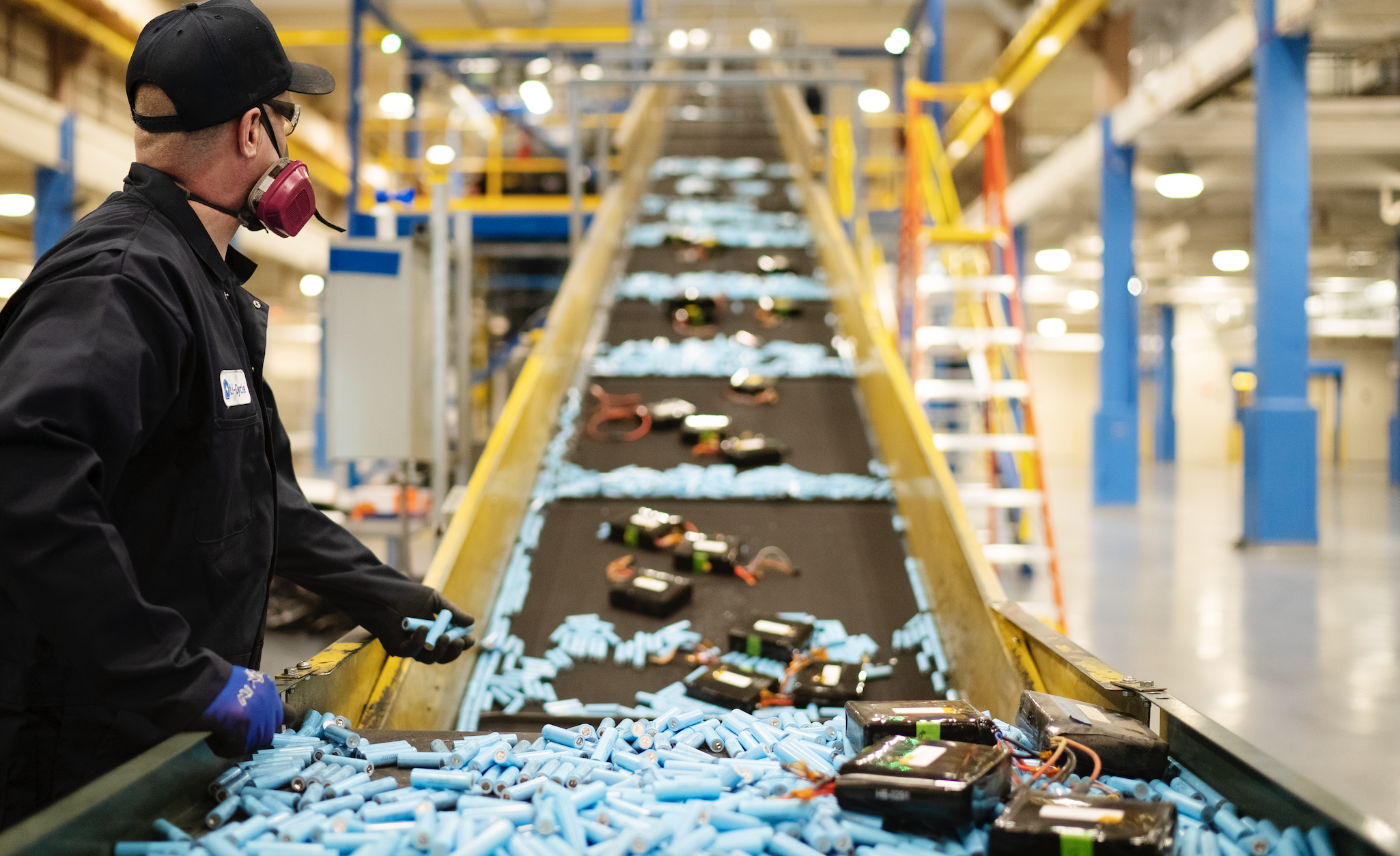
For recycling companies, the danger is not limited to facilities that intentionally process batteries. A battery hidden inside an ordinary discarded product can travel through collection vehicles, transfer stations, material recovery facilities (MRFs), scrap operations and disposal sites before anyone realizes it is there.
Dusty Ferrell, General Manager & Dispatcher at Ted’s Trash Service, sees the issue from the operational front line. His work coordinating collection and waste-handling activities gives him a practical view of how contamination, customer behavior and day-to-day operating procedures affect recycling safety.
“Battery safety has to start before the material ever reaches a recycling facility,” Ferrell says. “If a lithium-ion battery gets mixed into a normal load, it can pass through several stages of handling before anyone knows it’s there. By then, one damaged battery can become a safety issue for drivers, equipment operators and an entire facility.”
The Most Dangerous Batteries May Be the Ones Nobody Sees
One of the recycling industry's biggest challenges is identifying batteries hidden inside products.
Consumers may recognize that a loose rechargeable battery requires special handling, but the same connection is not always made with products containing embedded batteries. Common examples include disposable vapes, electric toothbrushes, toys, mobile phones, small power tools, e-scooters, laptops and other rechargeable electronics.
Once these products enter an ordinary waste or recycling stream, collection and processing equipment can crush, puncture or otherwise damage their batteries.
A damaged lithium-ion cell can enter thermal runaway, generating extreme heat and potentially releasing flammable gases. Surrounding paper, cardboard, plastics and other combustible materials can then turn a small ignition into a much larger incident.
Ferrell believes this makes source separation one of the recycling industry's most valuable lines of defense.
“You want people thinking about the battery before they throw the product away,” he explains. “A recycling operation can have good people, good procedures and good equipment, but preventing batteries from entering the wrong stream gives everyone downstream a better chance of avoiding an incident.”
Collection Vehicles Are Part of the Battery-Fire Risk
Discussion about recycling fires often focuses on MRFs and processing plants, but the risk begins much earlier.
Collection vehicles routinely compress waste. If an unidentified lithium-ion battery is inside the load, compaction can damage it and potentially initiate a fire while the vehicle is operating.
That creates a particularly difficult situation because drivers may be working in residential neighborhoods, commercial districts or other locations where unloading a burning load presents additional hazards.
From Ferrell's perspective, dispatch and driver awareness therefore form an important part of prevention.
“Drivers are one of the first lines of defense,” says Ferrell. “They need to know what to watch for, customers need clear instructions about what shouldn't go into carts, and there needs to be a procedure for what happens when something doesn't look right. Recycling safety isn't one person's responsibility—it has to be built into the operation.”
Recycling Facilities Face an Especially Difficult Fire Environment
Once material reaches a recycling or transfer facility, the potential consequences become greater.
Facilities can contain significant quantities of paper, cardboard, plastics, packaging and mixed recyclables. Conveyors, compactors, shredders and other machinery may also provide opportunities for batteries to become damaged.

The operational challenge is that batteries can be extremely small compared with the volume of material moving through a facility.
One incorrectly discarded device can disappear among tons of recyclables.
That is why Ferrell views contamination reduction as part of operational performance rather than simply a customer-education issue.
“Good recycling isn't just about collecting more material,” he says. “It's also about improving the quality and safety of what you're collecting. Keeping batteries and other hazardous items out of ordinary recycling helps protect employees, equipment and the facilities receiving that material.”
Public Education Is Essential, but Operators Need Multiple Layers of Protection
Clear disposal instructions can reduce the number of batteries entering conventional recycling streams. Customers should know that batteries and battery-powered electronics may require designated collection programs rather than household recycling or trash carts.
But education cannot eliminate every mistake.
Products with embedded batteries are particularly problematic because consumers may not know a battery is present or may be unable to remove it safely.
For Ferrell, that means recycling companies need a layered approach combining customer education with employee training, communication and operating procedures.
“The goal is to catch the problem as early as possible,” Ferrell says. “Education at the customer level matters, but operators also have to assume that some batteries are still going to get through. Training and having a clear response plan are important because the unexpected is part of this business.”
Detection and Suppression Are Becoming Part of the Economics of Recycling
As battery-related fire exposure increases, recycling operators are also facing a financial question: how much fire-prevention infrastructure can they realistically afford?
Facilities may consider thermal monitoring, early-warning detection, fire compartmentation, suppression equipment, isolation areas and specialized containment measures. These investments can potentially reduce the severity of an incident, but they also add capital and operating costs.
For independent waste and recycling businesses, that tradeoff can be significant.
Insurance adds another dimension. A major facility fire can produce losses involving buildings, processing equipment, vehicles, inventory, business interruption and environmental cleanup. As insurers reassess recycling risks, operators may face closer scrutiny of their fire-prevention programs, documentation and emergency procedures.
Ferrell argues that prevention should be evaluated against the potential operational consequences of doing nothing.
“A serious fire doesn't just mean replacing damaged equipment,” he says. “You can lose operating time, disrupt routes and customers, put employees at risk and create problems that affect the business long after the fire is out. Prevention has a cost, but so does being unprepared.”
Who Should Pay for Battery-Fire Prevention?
That question becomes increasingly complicated as lithium-ion batteries appear in more consumer products.
Recyclers can improve procedures and invest in protection, but they generally do not control how products are designed or whether batteries can be easily removed. Municipalities can support collection programs and public education, while battery producers and stewardship organizations can help finance end-of-life management.
Extended producer responsibility (EPR) programs offer another potential mechanism by shifting some end-of-life responsibility toward producers rather than leaving waste operators and ratepayers to absorb the entire cost.
Ferrell's operational perspective highlights why responsibility cannot stop with the company collecting the material.
“Waste and recycling companies are dealing with the product at the end of its life, but the problem starts much earlier,” he says. “Manufacturers, communities, customers and recycling operators all have a role. If products are going to contain more batteries, the systems for safely collecting and handling those batteries have to grow with them.”
Products containing difficult-to-remove batteries remain an especially important gap. Better labeling, accessible collection programs and product designs that account for end-of-life handling could reduce the likelihood that batteries disappear into ordinary waste.
Battery Safety Is Becoming a Core Recycling Competency
Lithium-ion batteries are unlikely to disappear from the waste stream. If anything, increasing electrification means recycling and waste companies will encounter more battery-powered products in the years ahead.
That changes what successful recycling operations require.
Strong programs will increasingly depend on contamination prevention, customer education, trained collection crews, effective communication between drivers and dispatchers, appropriate facility procedures and fire-response planning. Detection and suppression technology can add another layer of protection where appropriate, but technology cannot replace sound operating practices.
For Ferrell, the issue ultimately comes down to recognizing that responsible recycling involves managing risk as carefully as material.
“We want recyclable materials going where they're supposed to go, and batteries going through the systems designed to handle them safely,” says Ferrell. “The better we get at separating those streams and educating people about why it matters, the safer the entire recycling chain becomes.”
As battery-powered products proliferate, lithium-ion fire prevention is no longer a niche concern for specialized battery recyclers. It is becoming an everyday collection, recycling and waste-management challenge—and one that requires cooperation from the moment a product is designed to the moment it reaches the end of its useful life.
Comments
Log in or sign up to join the conversation.