

For many people living with disability, having the right support at home can make everyday life more manageable while creating opportunities to develop greater independence. The ideal living arrangement should provide more than a safe place to live. It should also encourage choice, confidence, social connection and participation in everyday activities.
Across Melbourne, NDIS participants have access to a range of support options designed to help them work towards their individual goals. Supported living can be particularly valuable for people who would like to develop their daily living skills while having appropriate assistance available when required.
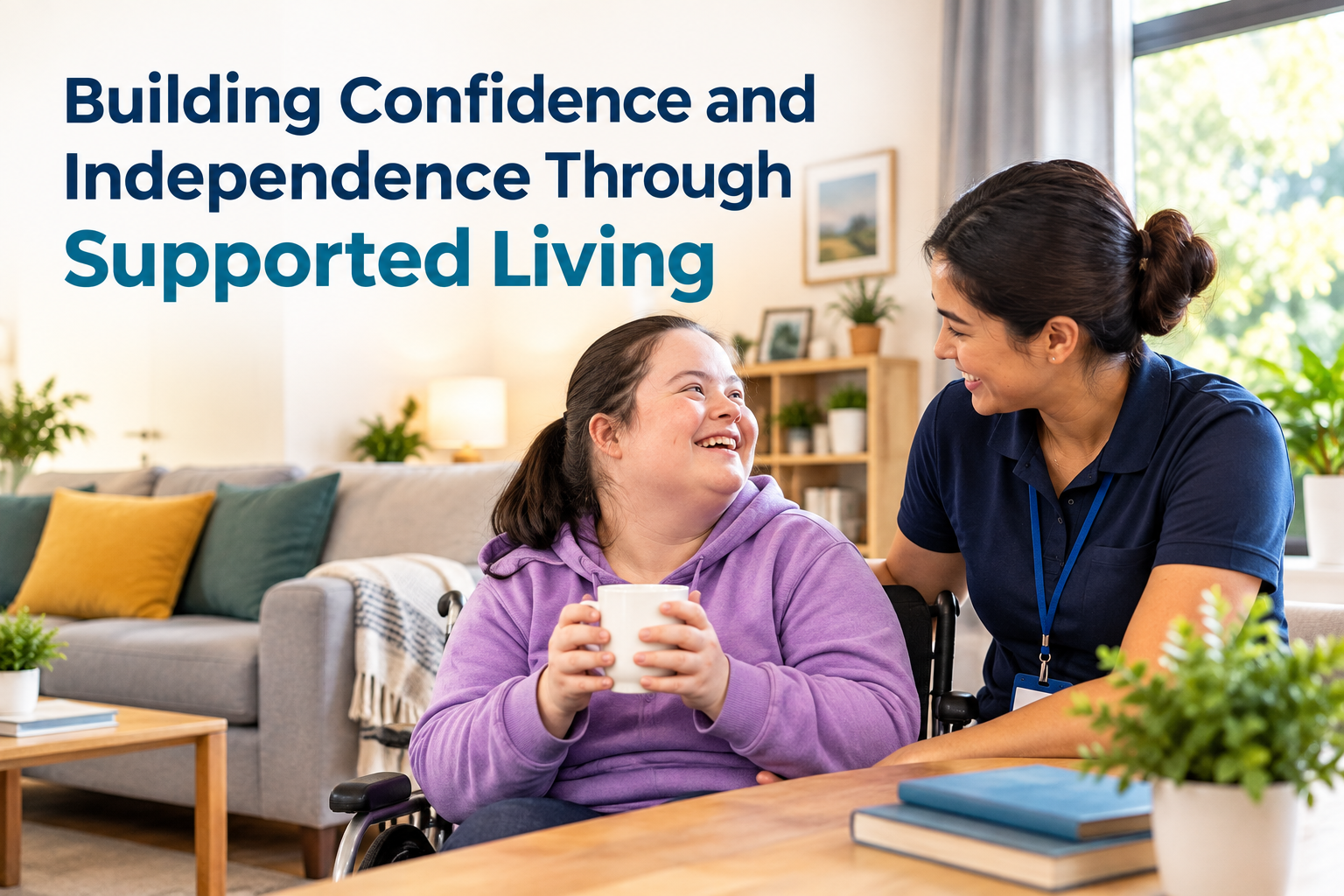
Understanding the Benefits of Supported Living
Independent living does not mean that a person needs to manage every responsibility without help. Instead, it means having the freedom to make decisions about daily life while receiving support that is appropriate to individual needs.
For an NDIS participant, this may involve assistance with household tasks, personal routines, meal preparation, appointments or community activities. The type of support provided can depend on the person's abilities, preferences and goals.
A well-planned living arrangement can create a balance between assistance and independence. Participants can receive help where it is needed while being encouraged to complete tasks they are capable of managing themselves.
Developing Practical Daily Skills
Everyday activities can provide valuable opportunities to build independence. Simple tasks such as preparing breakfast, organising personal belongings, completing household chores or planning a shopping trip can help develop useful life skills.
Support workers can provide guidance during these activities without taking away the participant's opportunity to participate. Over time, regular practice may help individuals become more confident with tasks that were previously challenging.
These skills can also contribute to a stronger sense of achievement. Being able to complete part of a daily routine independently can be an important step towards achieving longer-term personal goals.
Creating a Comfortable Home Environment
The home environment plays an important role in a person's independence. A suitable home should be comfortable, accessible and aligned with the participant's individual requirements.
When considering supported accommodation, it can be helpful to look at factors such as:
Accessibility within the property
Bedroom and personal space
Bathroom facilities
Kitchen accessibility
Shared living areas
Storage options
Safety features
Location and transport access
A home that is appropriately designed can make everyday activities easier and allow residents to participate more actively in household routines.
The Importance of Choice and Control
Choice and control are central to creating a more independent lifestyle. Participants should have opportunities to express their preferences about routines, activities, meals, social interactions and personal goals.
Even small decisions can contribute to a person's confidence. Choosing what to cook for dinner, planning an outing or deciding how to organise personal space can help individuals feel more involved in their own lives.
Support should work alongside these choices rather than unnecessarily replacing them. A person-centred approach recognises that every participant has different priorities and ways of doing things.
Staying Connected with the Melbourne Community
Living independently can also provide opportunities to become more involved in the local community. Melbourne offers a broad range of recreational, cultural and social activities that can suit different interests and abilities.
Participants may enjoy visiting local parks, libraries, shopping areas, community centres, sporting facilities or cultural attractions. Community participation can help people develop social relationships, explore new interests and become more familiar with their surroundings.
For some individuals, accessing these activities may initially require support. Assistance with planning journeys, using public transport or participating in activities can help build confidence over time.
Personalised Support for Different Needs
No two NDIS participants have exactly the same requirements. Some people may need assistance with several aspects of everyday life, while others may only require support with specific activities.
This makes personalised planning particularly important. Support arrangements should take into account an individual's abilities, communication preferences, routines, interests and personal objectives.
For example, one participant may want to focus on improving cooking skills, while another may prioritise household management or social participation. Support can be structured around these individual goals rather than following a standard routine.
Considering Location When Choosing Supported Living
Location is another important consideration for people exploring supported living options in Melbourne. Easy access to essential services and community facilities can make everyday life more convenient.
Depending on individual circumstances, participants may wish to consider proximity to public transport, medical services, supermarkets, employment opportunities, family members and recreational facilities.
Being located within a connected community can also make it easier for participants to participate in activities and maintain relationships with people who are important to them.
Supporting Long-Term Personal Goals
Supported living can be part of a broader journey towards greater independence. Goals may change as a person's confidence and abilities develop.
Regularly reviewing progress can help identify new opportunities for learning and participation. A participant who initially requires assistance with meal preparation, for example, may eventually be able to manage parts of the process independently.
This gradual approach allows people to progress at a suitable pace without creating unnecessary pressure. The objective is to provide enough support to promote safety and confidence while encouraging participants to take an active role in everyday life.
Exploring Supported Living Options
For participants and families considering suitable accommodation and support arrangements, understanding available services is an important first step. Exploring NDIS Supported Independent Living in Melbourne can provide an opportunity to learn more about supported living and how it may align with individual circumstances and goals.
Having open discussions about daily routines, support requirements, accessibility and personal preferences can help participants make informed decisions about their future living arrangements.
Moving Towards Greater Independence
The journey towards independence looks different for everyone. For some people, it may involve learning household skills, while for others it may mean becoming more confident in the community or making more decisions about their daily routine.
The right support can provide encouragement, practical assistance and opportunities for personal growth. When accommodation, support and individual goals are considered together, participants can work towards creating a lifestyle that provides greater choice, confidence and participation.
For NDIS participants in Melbourne, supported living can be an important step towards building everyday skills and enjoying a greater sense of independence. With appropriate planning and personalised assistance, individuals can work towards their goals while maintaining the support they need to live comfortably and confidently.
Comments
Log in or sign up to join the conversation.