

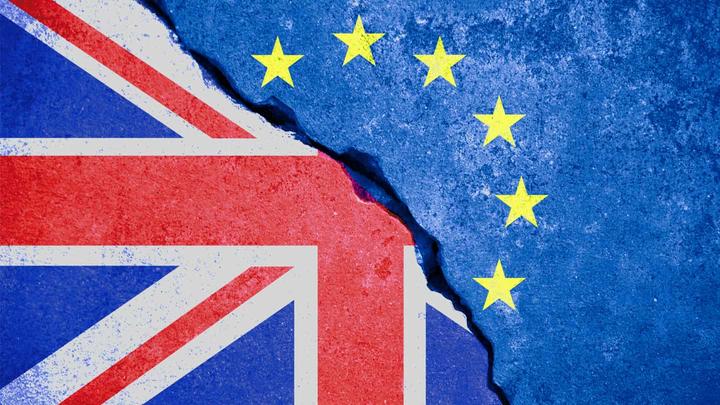
The United Kingdom (UK) left the European Union (EU) on 31 January 2020. It is now in a transition period until 31 December 2020. During this period the UK still remains in the EU's customs union and single market and must comply with all EU rules.
What is the transition period?
During the transition period which ends on 31 December 2020, the UK remains in the EU customs union and single market which means most things will stay the same, such as:
- Freedom of movement
- Travelling to and from the EU
- UK-EU trade to continue without any border checks
- EU passporting rights, to offer all services in this area
However, the UK has already left EU institutions and there are currently no British MEP's in the European Parliament. The transition period is necessary to allow EU and UK negotiators time to agree on what the future relationship will look like.
What progress has been made so far?
While negotiations on a future trade deal have been going on for several months there is still significant disagreement.
The UK wants as much access to goods and services to the EU without being in the customs union and single market, as well as freedom from the European Court of Justice. They have proposed a free trade deal with separate agreements on other issues.
The EU wants to protect the integrity of its single market and have a so-called 'level playing field' which would see both countries maintain similar standards on issues like worker's rights and environmental protection. The EU wants to show life is better inside the 'bloc' and that countries cannot 'cherry-pick' certain benefits without the obligations.
Brexit after the transition period
As the deadline for extending the transition period has passed, the UK will either leave the EU without a trade deal in January 2021 or start its new redefined relationship if on the political side a solution can be found.
If a trade deal is reached it could either be the full comprehensive deal the EU wants - which is the least likely as trade deals usually take seven years to build, instead of just a few months - or the UK version of a free basic trade deal with separate agreements to be worked out later.
Most analysts believe high-level political involvement could see some sort of deal by year-end. UK Prime Minister Boris Johnson is due to get directly involved in trade talks this month with scheduled talks to the presidents of the European Commission and the European Council.
While Boris Johnson has agreed to a revised deal with the EU, a no-deal Brexit is possible if negotiators haven't come to an agreement by 1 January 2021. This would mean the UK would immediately leave the EU's single market and customs union and would be put on WTO (World Trade Organization) trading terms which will include checks and tariffs on the border and the end of free movement.

Comments
Log in or sign up to join the conversation.