

Brass metal sculpture, one of the oldest and most enduring art forms of South India, continues to be shaped by skilled hands today, and the collection at Metal Art and Craft Studio showcases just how far this ancient craft has travelled into contemporary spaces. From temple idols to life-size portraits, brass has remained a material of choice for artists seeking both durability and a warm, golden finish that ages gracefully over generations.
Crafted from an alloy of copper and zinc, brass offers a rare combination of malleability and strength, allowing artisans to capture everything from the fine folds of a deity's robe to the muscular detail of a life-size figure. Metal Art and Craft Studio carries this tradition forward,to produce sculptures that range from devotional idols to bold contemporary pieces.
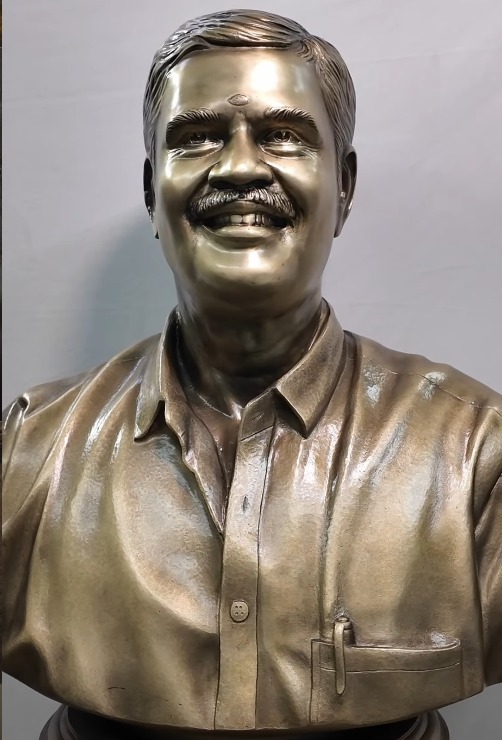
What Is Brass Metal Sculpture?
Brass metal sculpture refers to figures, statues, and decorative pieces cast or crafted from brass, an alloy formed primarily from copper and zinc. The exact composition can vary depending on the desired hardness and colour, with higher copper content producing a warmer, more reddish tone and higher zinc content yielding a brighter, more golden finish.
Brass Compared to Other Sculptural Metals
While bronze, an alloy of copper and tin, is prized for the fine detail achievable through lost-wax casting and is the traditional choice for temple idols, brass is valued for its brighter finish, relative affordability, and resistance to corrosion, making it a popular choice for both devotional pieces and decorative art meant for everyday display.
The History and Origins of Brass Sculpture
Metal sculpture in South India has a lineage stretching back over a thousand years, with the Chola dynasty standing as a high point in the region's metal-casting tradition. Though the Cholas are most remembered for their bronze temple icons, the broader tradition of metal sculpture they established, encompassing casting techniques, artisan guilds, and stylistic conventions, laid the groundwork for the brass sculpture practised in workshops across Tamil Nadu today.
From Temple Craft to Everyday Art
Where metal sculpture was once created almost exclusively for temple worship, the same casting traditions have, over the centuries, expanded to serve a much wider range of purposes, from portrait statues of poets and leaders to decorative wall art and life-size figures for public and private spaces.
How Brass Sculptures Are Made
The traditional method for crafting a brass sculpture begins with a detailed wax model, shaped by hand to capture every intended detail of the final piece. This model is coated in layers of clay to form a mould, and the wax is then melted away, leaving a hollow cavity in the exact shape of the sculpture.
Casting and Finishing
Molten brass is poured into this prepared mould and left to cool and set, after which the clay is broken away to reveal the rough cast figure. What follows is a long process of filing, polishing, and detailing by hand, where artisans refine every surface until the sculpture achieves the smooth, defined finish associated with fine brass work.
A Craft That Still Depends on the Hand
Even with modern tools available, much of this process at workshops like Metal Art and Craft Studio remains manual, since the fine detailing that distinguishes a well-made brass piece, whether a deity's expression or the folds of fabric on a portrait figure, still depends on the eye and hand of an experienced artisan.
Popular Themes in Brass Sculpture
Brass sculpture today spans a wide range of subjects. Devotional pieces remain central to the tradition, cast in the likeness of deities for home shrines and temples. Alongside these, portrait sculptures, such as depictions of notable literary and cultural figures, allow the same casting techniques to honour secular subjects with equal craftsmanship. Life-size figures, often created to capture movement or physical vitality, and decorative wall art pieces round out the range of work produced in brass today, showing the material's versatility well beyond its original devotional purpose.
Spiritual and Cultural Significance of Brass Sculpture
A living link to temple tradition: Every brass sculpture cast today carries forward techniques refined over centuries in South India's temple workshops.
A material suited to daily worship: Brass idols are commonly chosen for home altars, valued for their durability and their ability to hold fine detail even at smaller sizes.
A canvas for cultural memory: Portrait sculptures in brass allow communities to honour poets, leaders, and cultural figures using the same craftsmanship once reserved for the divine.
An art form that continues to evolve: From life-size fitness figures to abstract wall pieces, brass sculpture today reflects contemporary artistic interests while remaining rooted in traditional casting methods.
Why Is Brass Different from Other Sculpture Materials?
Compared to bronze, brass offers a brighter, more golden finish, making it a popular choice for pieces meant to catch the light in home and public display.
Brass is generally more resistant to the greenish patina that can develop on bronze over time, giving it a different ageing character suited to owners who prefer a consistent finish.
Unlike stone or wood carving, brass casting allows for intricate, undercut details and hollow forms that would be difficult to achieve by direct carving.
Brass sculpture bridges devotional and secular art more readily than most other traditional materials, moving comfortably between temple idols, portrait statues, and contemporary decorative work.
Conclusion
Brass metal sculpture stands as one of South India's most adaptable and enduring art forms, carrying forward casting techniques first refined for temple worship into a much broader range of subjects and settings today. Whether chosen for a home shrine, a public memorial, or a striking piece of wall art, a brass sculpture connects its owner to a craft tradition that has been shaped, quite literally, by hand for centuries.
Comments
Log in or sign up to join the conversation.