

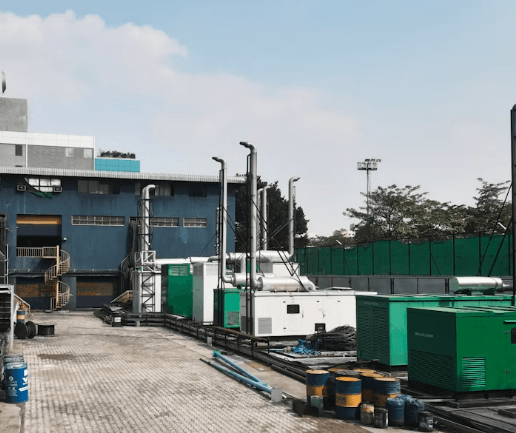
The success of any Bio-CNG plant depends on several factors, including technology, plant design, operational efficiency, and gas upgrading systems. However, one of the most critical elements that directly influences plant performance is feedstock selection. Choosing the right feedstock can significantly improve biogas production, methane concentration, and overall project profitability.
As India continues to expand its renewable energy and waste-to-energy infrastructure, industries, municipalities, and investors are increasingly exploring Bio-CNG projects. While advanced equipment and automation play important roles, even the most sophisticated plant cannot perform efficiently without a reliable and suitable feedstock supply.
This is why every experienced Bio-CNG Plant Manufacturer & EPC Company places significant emphasis on feedstock evaluation during the planning stage of a project. Understanding feedstock characteristics and selecting the right combination of organic materials can help maximize gas yield while ensuring long-term operational stability.
What Is Feedstock in a Bio-CNG Plant?
Feedstock refers to the biodegradable organic material used as the raw input for biogas production.
Inside a Bio-CNG plant, microorganisms break down this organic matter through a process known as anaerobic digestion. The resulting biogas is then purified and upgraded to produce Bio-CNG or Compressed Biogas (CBG).
Common feedstocks used in Bio-CNG plants include:
Agricultural residues
Animal manure
Food waste
Dairy waste
Municipal organic waste
Press mud from sugar mills
Distillery waste
Vegetable and fruit market waste
The quality and composition of feedstock have a direct impact on methane generation and plant efficiency.
Why Feedstock Selection Matters
Not all organic waste produces the same amount of biogas.
Different feedstocks contain varying levels of:
Organic matter
Moisture
Carbon
Nitrogen
Fibrous material
Volatile solids
These characteristics determine how effectively microorganisms can convert waste into methane-rich biogas.
Proper feedstock selection helps:
Increase methane recovery
Improve gas production rates
Reduce operational issues
Enhance plant profitability
Improve digestion efficiency
Poor feedstock choices can lead to lower gas yields, unstable digestion, and higher maintenance costs.
Understanding Methane Yield
Methane is the primary energy component of biogas and determines the fuel value of Bio-CNG.
Higher methane content means:
Better fuel quality
Increased Bio-CNG output
Improved commercial returns
Greater energy efficiency
Different feedstocks generate different methane yields.
For example:
Food waste generally produces high methane levels.
Animal manure offers stable digestion performance.
Agricultural residues provide large volumes but may require pre-treatment.
Press mud and industrial organic waste can deliver strong gas production when properly managed.
Selecting feedstocks with higher methane potential is essential for maximizing project returns.
Key Factors to Consider During Feedstock Selection
Availability of Feedstock
The first consideration is consistent availability.
A Bio-CNG plant requires a regular supply of organic material to maintain stable operations.
Before project development, it is important to assess:
Annual feedstock availability
Seasonal variations
Transportation logistics
Collection infrastructure
An experienced Bio-CNG Plant Manufacturer & EPC Company conducts detailed feedstock assessments to ensure long-term supply security.
Organic Content
Feedstocks with higher organic content generally produce more biogas.
Materials rich in biodegradable matter allow microorganisms to generate greater volumes of methane.
Examples include:
Food processing waste
Vegetable waste
Dairy waste
Distillery by-products
These feedstocks often provide superior gas production compared to highly fibrous materials.
Moisture Content
Moisture plays an important role in anaerobic digestion.
Excessively dry feedstock may require additional water, while overly wet materials can reduce digester efficiency.
Maintaining the correct moisture balance improves microbial activity and gas generation.
Carbon-to-Nitrogen Ratio
The Carbon-to-Nitrogen (C) ratio is one of the most important biological parameters in biogas production.
An ideal C ratio supports healthy microbial growth and efficient digestion.
If nitrogen levels are too high:
Ammonia accumulation may occur.
Digestion efficiency may decrease.
If carbon levels are too high:
Gas production may slow down.
Balanced feedstock mixtures help achieve optimal digestion performance.
Agricultural Residues as Bio-CNG Feedstock
India produces massive quantities of agricultural waste every year.
Common agricultural feedstocks include:
Rice straw
Wheat straw
Corn stalks
Sugarcane trash
Cotton stalks
Advantages include:
Wide availability
Low raw material cost
Reduced stubble burning
Challenges include:
High fiber content
Seasonal availability
Requirement for shredding and pre-treatment
Despite these challenges, agricultural residues remain one of the most promising feedstock sources for large-scale Bio-CNG plants.
Animal Manure and Dairy Waste
Animal manure is one of the oldest and most reliable feedstocks used in biogas production.
Sources include:
Cow dung
Poultry litter
Buffalo manure
Dairy farm waste
Benefits include:
Stable digestion process
Continuous availability
Good microbial activity
Animal waste is often used in combination with other feedstocks to improve overall methane yield.
Food and Organic Market Waste
Food waste offers one of the highest biogas generation potentials.
Common sources include:
Restaurants
Hotels
Food processing industries
Fruit markets
Vegetable markets
Advantages include:
High organic content
Rapid digestion
Strong methane production
Because of its high energy value, food waste is increasingly used in urban Bio-CNG projects.
Municipal Organic Waste
Municipal waste contains a significant biodegradable fraction that can be converted into renewable energy.
Typical components include:
Kitchen waste
Vegetable waste
Garden waste
Market waste
Using municipal organic waste helps:
Reduce landfill dependency
Improve city cleanliness
Support Swachh Bharat goals
However, proper waste segregation is essential to ensure efficient plant performance.
Industrial Organic Waste as Feedstock
Several industries generate biodegradable waste suitable for Bio-CNG production.
Examples include:
Sugar Industry Waste
Press mud
Bagasse residue
Molasses waste
Food Processing Waste
Fruit pulp
Vegetable residue
Processing sludge
Distillery Waste
Spent wash
Organic sludge
Industrial feedstocks often provide consistent supply and high methane potential.
Feedstock Pre-Treatment for Better Gas Yield
Certain feedstocks require pre-treatment before entering the digester.
Pre-treatment technologies include:
Shredding
Reduces particle size and increases microbial access.
Slurry Preparation
Creates uniform feedstock consistency.
Moisture Adjustment
Maintains ideal digestion conditions.
Removal of Contaminants
Protects plant equipment and improves efficiency.
Proper feedstock preparation can significantly increase methane production.
Co-Digestion: Maximizing Plant Performance
Many modern Bio-CNG plants use co-digestion techniques.
Co-digestion involves combining multiple feedstocks to create a balanced substrate.
Examples include:
Cow dung + food waste
Press mud + agricultural residue
Municipal waste + dairy waste
Benefits include:
Improved methane yield
Better nutrient balance
Enhanced digestion stability
Increased gas production
Co-digestion is often considered one of the most effective strategies for maximizing plant performance.
Role of a Bio-CNG Plant Manufacturer & EPC Company
Successful feedstock management begins during project planning.
A professional Bio-CNG Plant Manufacturer & EPC Company helps businesses evaluate:
Feedstock availability
Feedstock quality
Methane potential
Storage requirements
Transportation logistics
Digester design compatibility
Their expertise ensures the plant is designed around the most suitable feedstock mix for long-term success.
Future Trends in Feedstock Management
As the Bio-CNG sector continues to grow, feedstock management is becoming more advanced.
Emerging trends include:
Feedstock Analytics
Using laboratory testing to evaluate methane potential.
Smart Monitoring Systems
Tracking feedstock quality in real time.
Advanced Pre-Treatment Technologies
Improving digestibility and gas production.
Integrated Waste Collection Networks
Ensuring reliable feedstock supply chains.
These innovations will help improve plant efficiency and profitability across the industry.
Conclusion
Feedstock selection is one of the most important factors influencing the success of a Bio-CNG project. The right feedstock mix can significantly improve methane recovery, increase gas production, and enhance overall plant profitability.
Agricultural residues, food waste, municipal organic waste, animal manure, and industrial organic waste all offer valuable opportunities for renewable energy production when managed correctly. Proper feedstock assessment, pre-treatment, and co-digestion strategies can further maximize plant performance.
Partnering with an experienced Bio-CNG Plant Manufacturer & EPC Company ensures that feedstock selection is aligned with project goals, technology requirements, and long-term operational success. As India's Bio-CNG industry continues to expand, efficient feedstock management will remain a key driver of sustainable fuel production and waste-to-energy development.
FAQs
What is feedstock in a Bio-CNG plant?
Feedstock is the organic waste material used to produce biogas through anaerobic digestion.
Why is feedstock selection important?
It directly affects methane yield, gas production, plant efficiency, and profitability.
Which feedstock produces the highest methane yield?
Food waste and certain industrial organic wastes generally produce high methane levels.
Can agricultural waste be used in Bio-CNG plants?
Yes. Agricultural residues such as rice straw and wheat straw are commonly used.
What is co-digestion?
Co-digestion is the process of combining multiple feedstocks to improve gas production and digestion efficiency.
Comments
Log in or sign up to join the conversation.