

Learn the best practices for maintaining Deskar inserts to improve tool life, machining accuracy, and cutting performance in CNC operations.
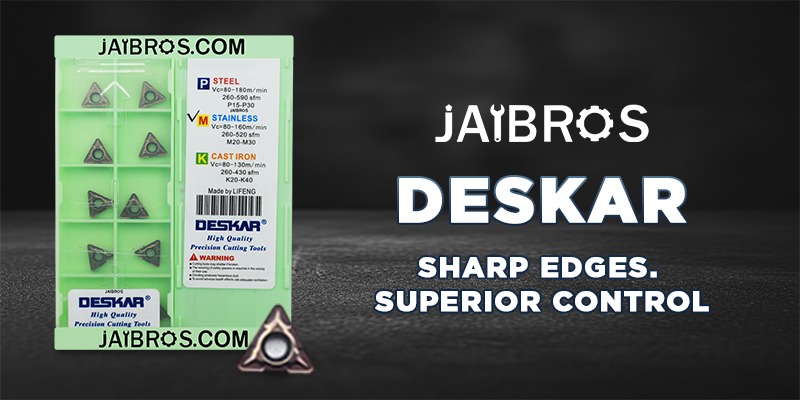
Best Practices for Maintaining Deskar Inserts
In modern machining processes, there is a need for efficient and precise cuts. In such circumstances, Deskar Inserts have proved very significant in ensuring that there is smoothness during cutting. Despite the fact that a good cutting part is essential for efficient cutting, it has to be maintained in order to perform at its best.
Failure to take proper care of a cutting part will cause it to become worn out early; in addition, poor handling will lead to poor dimensional accuracy and wastage because of the increased likelihood of replacement.
1. Keep Inserts Clean and Free from Built-Up Material
One of the most important maintenance practices is regular cleaning. During machining, metal chips, coolant residue, and dust can collect around the cutting edge. If not cleaned properly, these deposits may affect cutting quality and shorten usable life.
Follow these simple practices:
Remove chips after each machining cycle.
Use a soft cleaning brush or compressed air carefully.
Avoid hard scraping tools that can damage the edge.
Check insert pockets and holders for trapped debris.
A clean setup supports stable cutting action and helps maintain accurate machining dimensions. Even a small amount of contamination can change cutting behavior and increase surface roughness.
Operators should also inspect insert seats before mounting. A dirty seat can cause improper positioning, vibration, or uneven wear patterns. Regular cleaning may seem basic, but it directly affects machining consistency.
2. Monitor Wear Patterns Before Failure Happens
Many users replace inserts only after complete failure. This approach often increases production costs because damaged edges can affect workpiece quality and machine performance.
Instead, monitor wear continuously.
Look for common warning signs:
Edge chipping
Excessive flank wear
Heat discoloration
Crater wear on the cutting face
Sudden decline in surface finish
These indicators help identify when replacement is necessary. A planned replacement strategy is usually more cost-effective than waiting for unexpected breakage.
Using a maintenance log can also help operators track usage hours and machining conditions. This information becomes useful when comparing performance across different materials and cutting parameters.
A properly maintained deskar insert can provide stable performance when matched with suitable cutting settings and regular inspection routines.
3. Use Correct Cutting Parameters and Tool Setup
Maintenance is not limited to cleaning and inspection. Correct machining settings are equally important for extending tool life.
Improper spindle speed, feed rate, or cutting depth may generate excessive heat and unnecessary pressure on the cutting edge. Even premium deskar carbide inserts can wear quickly if machining conditions are not optimized.
Key setup recommendations include:
Use manufacturer-recommended cutting speeds.
Match feed rate with material hardness.
Maintain proper coolant flow.
Reduce vibration through secure clamping.
Select the correct holder configuration.
Machine rigidity also matters. Poor setup conditions often create chatter, which damages edges and reduces dimensional accuracy.
Another factor is alignment. Misaligned holders can create uneven pressure during cutting. This not only impacts productivity but can also affect overall machine health.
When selecting a cnc tool, compatibility between the insert geometry, holder type, and work material should always be evaluated. Proper matching supports efficient machining and controlled wear behavior.
4. Store and Handle Inserts Properly
Improper storage is a common but overlooked reason for damaged cutting components. Inserts are precision products and should be handled carefully even before installation.
Follow these storage practices:
Keep inserts in original packaging whenever possible.
Store in dry, dust-free areas.
Avoid mixing different grades and geometries.
Use protective containers during transport.
Prevent moisture exposure.
Physical handling matters too. Dropping inserts or allowing them to collide with metal surfaces can damage delicate cutting edges.
Organized storage also improves inventory control. Many workshops lose usable tooling simply because products are misplaced or incorrectly labeled.
Some buyers focus only on deskar inserts price when purchasing tooling, but long-term value depends equally on maintenance, application suitability, and correct handling practices.
Proper storage routines can reduce unnecessary replacement costs and help maintain consistent machining quality over time.
5. Schedule Preventive Maintenance for Better Productivity
Reactive maintenance often creates unplanned downtime. Preventive maintenance provides a more reliable approach for modern machining environments.
A preventive routine should include:
Scheduled visual inspections
Cutting performance evaluation
Holder and seat inspection
Cooling system checks
Replacement planning based on wear data
These activities help identify problems before they interrupt production.
Many manufacturers benefit from creating a maintenance checklist for operators. Standardized procedures reduce human error and improve machining consistency across different shifts.
Maintenance planning also supports cost control. When tooling performance is predictable, production scheduling becomes easier and material waste decreases.
In demanding applications, Deskar Inserts perform best when maintenance becomes part of the daily workflow instead of an occasional activity.
Workshops should also review machining data periodically. Information such as cycle time, failure frequency, and edge life can reveal opportunities for process improvement.
Selecting the right cnc tool strategy combined with disciplined maintenance practices often results in better surface finish, improved productivity, and reduced operating costs.
Conclusion
Tool care is neither too complex nor difficult, but consistency is the key to success here. Maintenance through cleaning, checking the tool's condition, machining parameters optimization, proper storage, and preventative maintenance increases their lifespan and keeps production performance steady.
Businesses that treat tooling care as part of their machining strategy usually achieve better operational results. deskar inserts can deliver dependable performance when supported by disciplined maintenance habits and informed operating practices. At jaibros, understanding practical tooling maintenance can help users make smarter machining decisions for long-term productivity.
FAQs
1. Why is insert maintenance important in machining?
Proper maintenance helps improve cutting consistency, reduce wear, and lower unexpected downtime.
2. How often should inserts be inspected?
Inspection frequency depends on workload, material type, and machining conditions, but regular checks after production cycles are recommended.
3. Can poor storage affect tooling performance?
Yes. Moisture, dust, and physical impact can damage cutting edges and reduce performance.
4. What causes premature insert wear?
Incorrect cutting parameters, poor setup, vibration, and lack of cleaning are common reasons.
5. How can workshops improve tooling life?
Use proper machining settings, maintain cleanliness, inspect wear regularly, and follow preventive maintenance practices.
Comments
Log in or sign up to join the conversation.