
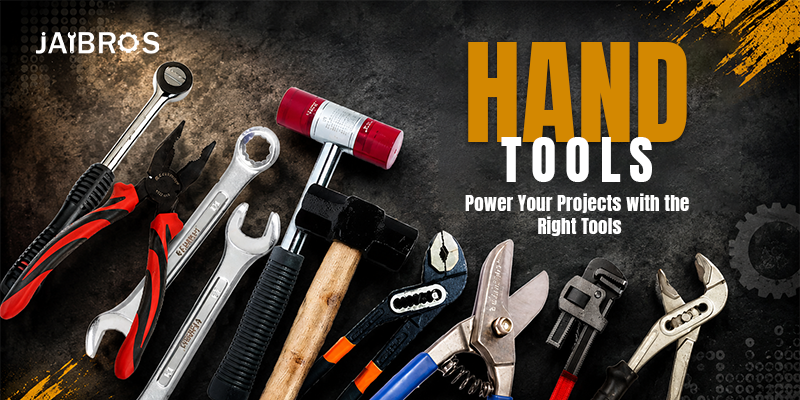
Selection of materials for making a tool is as crucial as choosing a good design. If you are a professional builder, mechanic, carpenter, or an avid DIYer, the strength of your tools will determine their effectiveness and life span. With the proper material, the quality hand tool you purchase will last for several years before losing its strength and effectiveness. You get to make informed decisions and save money rather than replace your worn-out tools often.
These days, a lot of metals are used by manufacturers to produce various types of tools. Before you buy, some consumers do research by comparing specifications and reviews of hand tools online to get good products with high-quality specifications. It helps to choose the type of tools which work well in your situations rather than the cheapest ones.
Why Tool Material Plays an Important Role
There will be a big impact of what kind of materials are being used in making the tools on its durability and resistance from corrosion. Even though they may seem similar, the one that is produced from better materials would be more durable and useful.
A durable tool material offers several advantages:
Higher resistance to wear and tear
Better impact strength
Improved corrosion protection
Longer service life
Reduced maintenance costs
Greater reliability during demanding tasks
Choosing quality materials may require a slightly higher initial investment, but it often saves money over time by reducing replacements and repair costs.
Common Materials Used in Tool Manufacturing
Carbon Steel
The preferred material for making professional tools has been carbon steel, thanks to its high strength and hardness. This material has been used in the making of hammers, chisels, pliers, and cutting tools that require high impact resistance.
The performance of carbon steel has been great under difficult conditions. However, regular cleaning and oiling of carbon steel have been necessary to prevent rust formation.
Advantages
Very strong
Excellent hardness
Affordable
Suitable for heavy-duty work
Limitations
Can develop rust without proper maintenance
Requires regular care
For users who prioritize strength over corrosion resistance, carbon steel remains one of the best choices.
Chrome Vanadium Steel
The chrome vanadium steel is one of the hardest materials available for manufacturing tools. The chromium offers corrosion resistance while the vanadium makes it hard and durable.
Such materials are ideal for manufacturing quality wrenches, sockets, ratchets, and screwdrivers because of their ability to perform well under constant usage.
Advantages
Outstanding durability
Excellent resistance to rust
High tensile strength
Long service life
Limitations
More expensive than standard carbon steel
Professionals who use tools every day often prefer chrome vanadium because it delivers consistent performance over many years.
Stainless Steel
Stainless steel is well known for its ability to resist rust and corrosion. It is particularly useful in humid environments, marine industries, food processing, and outdoor applications.
Although it may not always match carbon steel in hardness, stainless steel offers dependable performance with very little maintenance.
Advantages
Rust resistant
Low maintenance
Attractive finish
Suitable for wet environments
Limitations
Slightly softer than hardened carbon steel
Premium grades can be costly
For users working in moisture-prone environments, stainless steel provides excellent long-term reliability.
Titanium
Titanium has gained popularity due to its remarkable strength-to-weight ratio. It is much lighter than steel while still offering impressive durability.
Because titanium tools reduce hand fatigue, they are especially useful for professionals who use equipment throughout the day.
Advantages
Extremely lightweight
Highly corrosion resistant
Comfortable to use
Long-lasting
Limitations
Higher manufacturing cost
Less common than steel options
Titanium is an excellent investment for users looking for durability combined with improved comfort.
Alloy Steel
Alloy steel is produced by combining carbon steel with additional elements that improve hardness, flexibility, and wear resistance. Manufacturers often customize alloy compositions depending on the intended application.
Because of its balanced properties, alloy steel is used across construction, automotive, and industrial sectors.
Advantages
Strong and durable
Resistant to wear
Good flexibility
Reliable for demanding jobs
Limitations
Quality depends on manufacturing standards
When produced by reputable manufacturers, alloy steel offers dependable performance for a wide range of applications.
Which Material Offers the Best Durability?
The answer depends on how the tool will be used.
For heavy industrial work, chrome vanadium steel often provides the best combination of strength, durability, and corrosion resistance.
If the working environment involves constant exposure to moisture, stainless steel becomes the better choice because it naturally resists rust.
Carbon steel remains an excellent option for demanding impact applications where maximum hardness is required.
Titanium is ideal for professionals who value lightweight equipment without sacrificing durability.
Rather than choosing items based on cost alone, consumers ought to take into consideration their working conditions, frequency of use, and their maintenance needs. In addition, many experienced users compare items via hand tool online marketplaces to review the material specifications, certifications, and reviews before making a choice.
Tips to Increase Tool Lifespan
Even the highest-quality materials require proper care. Good maintenance habits significantly improve durability and help tools perform efficiently for many years.
Some simple practices include:
Clean tools after every use.
Store them in a dry location.
Remove dirt and moisture regularly.
Apply protective oil to carbon steel tools.
Use the correct tool for each task.
Inspect tools periodically for damage.
Avoid excessive force beyond design limits.
Purchasing a complete hand tool kit also helps ensure that every job is performed using the appropriate equipment instead of forcing one tool to handle multiple tasks. Proper storage within a hand tool kit further protects tools from accidental damage and unnecessary wear.
Although modern workshops frequently rely on a Power tool for speed and productivity, manual tools continue to provide greater precision and control in many repair and maintenance tasks. In fact, combining a quality Power tool with durable manual equipment often creates the most efficient workflow for professionals.
Conclusion
Choosing the right material for your tool is among the most crucial considerations when purchasing your tools. The carbon steel has excellent hardness while the chrome vanadium is highly durable; stainless steel has great corrosion resistance while the titanium is both light and strong. Finally, alloy steel has a good balance of mechanical properties that can suit different uses.
It is therefore advisable to put aside all considerations on cost before evaluating material quality, manufacturing process and use of the product. This will go a long way towards ensuring durability, safety and value of your purchases. Whichever the case, building a set of durable tools will make your work easy as you do not have to keep buying new ones after a few weeks. When you consider buying quality tools from reputable suppliers such as Jaibros, you will have a collection of durable tools at your disposal.
FAQs
1. Which material is considered the most durable for professional tools?
Chrome vanadium steel is widely regarded as one of the most durable materials because of its excellent strength and corrosion resistance.
2. Is carbon steel better than stainless steel?
Carbon steel offers greater hardness, while stainless steel provides superior resistance to rust and moisture.
3. Why are titanium tools expensive?
Titanium is lightweight, highly durable, corrosion resistant, and more difficult to manufacture than steel.
4. How can I increase the lifespan of my tools?
Clean them regularly, store them properly, use them correctly, and inspect them for wear or damage.
5. Should I buy tools based only on price?
No. Material quality, durability, intended use, and manufacturer reputation are more important factors than price alone.
Comments
Log in or sign up to join the conversation.