
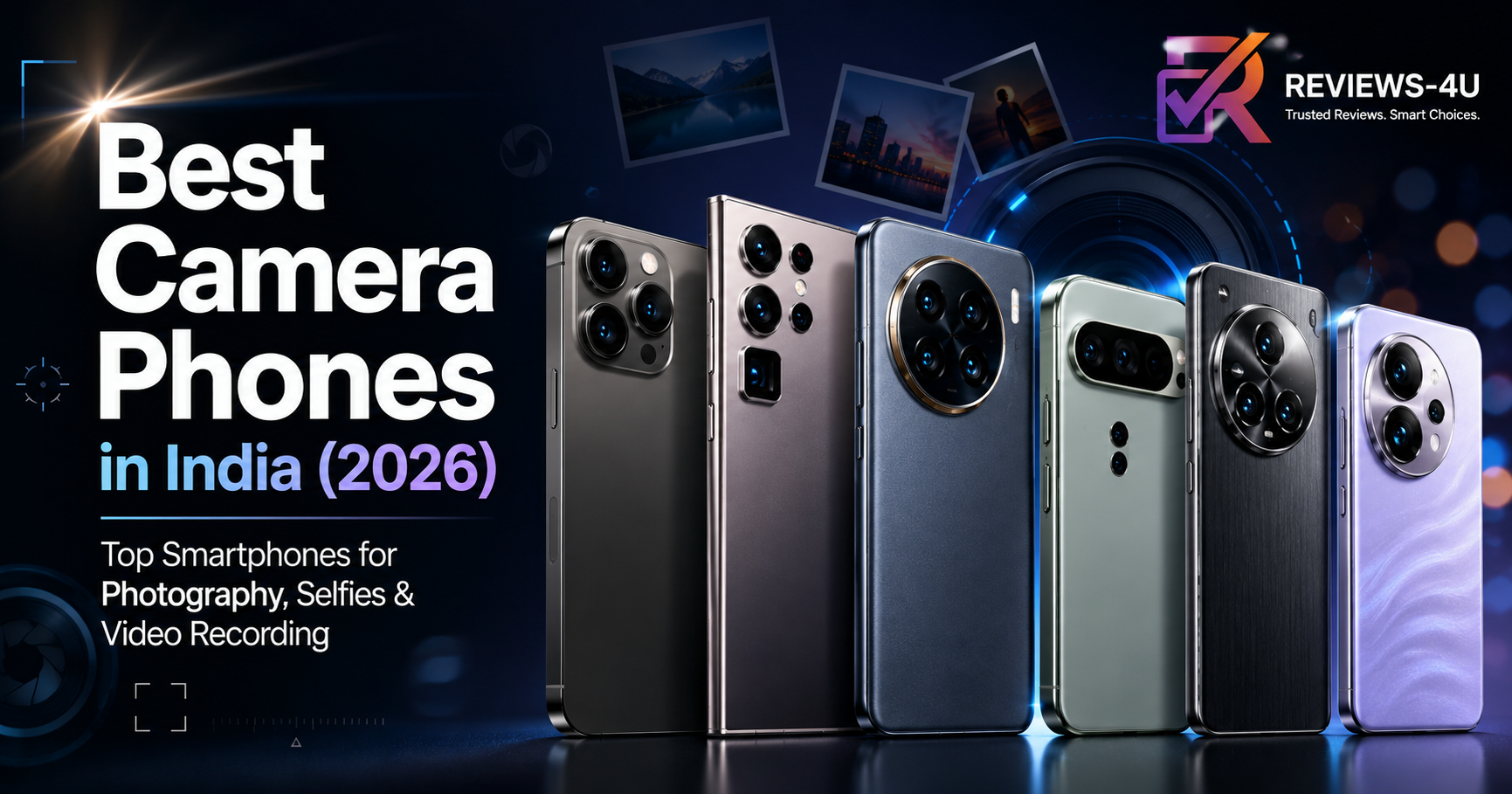
Smartphone cameras have quietly become the single biggest reason people upgrade their phones. Screens have plateaued, processors are fast enough for nearly everything, and battery life improves in small increments year over year. Cameras, on the other hand, keep changing in ways buyers can actually see in their own photos. For anyone shopping for the best camera phones India has to offer this year, understanding what's driving that change matters more than memorizing spec sheets.
Why Megapixels Stopped Being the Whole Story
A few years ago, choosing the best mobile camera meant comparing megapixel counts. That approach doesn't hold up anymore. Sensor size, not resolution, determines how much light a camera captures, and more light is what actually produces sharper, cleaner images, particularly indoors or at night. A phone with a modestly sized sensor and strong processing can outperform a higher-megapixel rival that crams more pixels into less physical space.
The Technology Actually Driving Better Photos
A handful of developments explain most of the improvement in smartphone photography lately:
Larger image sensors capture more light per pixel, which improves detail and reduces noise, especially indoors.
Optical Image Stabilization (OIS) physically counteracts hand shake, sharpening both stills and video without digital cropping.
Periscope zoom lenses fold the optical path inside the phone body, allowing genuine optical zoom in a slim device rather than relying purely on digital cropping.
Computational photography combines multiple exposures algorithmically, which is largely why modern phones handle high-contrast scenes and dim rooms so much better than they did even three years ago.
AI photography features now extend beyond scene detection into automatic subject separation, noise reduction, and real-time exposure adjustments.
4K and 8K video recording has become standard on flagship and upper-mid-range devices, though not every phone handles stabilization or color consistency equally well at those resolutions.
Together, these are the real differentiators, not raw camera counts on a spec sheet.
Buying Tips: Match the Phone to How You Actually Shoot
There's no universal "best" camera phone, only the best one for a given use case:
Budget-conscious buyers can now find OIS and a competent primary sensor well under premium flagship pricing, a meaningful shift from just a couple of years ago.
Social media creators benefit most from strong selfie cameras and reliable AI portrait processing.
Travelers tend to prefer phones that handle exposure automatically across unpredictable lighting, without needing manual adjustment.
Mobile videographers should prioritize stabilization and video bitrate over photo specs alone, since smooth 4K footage depends on more than just resolution.
Battery capacity also deserves attention if photography or video is a primary use case. Continuous AI processing and high-resolution recording drain power noticeably faster than everyday use.
The Bottom Line
Choosing among today's best camera smartphones comes down to matching sensor size, stabilization, zoom type, and AI processing to your own shooting habits and budget, not chasing the highest number on a spec sheet. Comparing a few models side by side against your actual use case will get you a better result than picking whichever phone tops a generic ranking.
If you're looking for a detailed comparison of the best camera phones available in India across different price segments, this comprehensive guide provides specifications, camera highlights, pros, and buying recommendations: https://www.reviews-4u.com/mobiles/best-camera-phones-india/
Comments
Log in or sign up to join the conversation.