

Key Highlights
India gives you a yoga teacher training program close to yoga’s original roots and living traditions.
A good yoga school in Rishikesh often combines daily yoga practice, philosophy, meditation, and residential learning.
Many courses offer yoga certification linked to Yoga Alliance, which helps with international teaching goals.
India can be more cost-effective than the USA or Europe, with meals and stay often included.
Course options range from beginner foundations to advanced training for deeper teaching growth.
Choosing the right program depends on recognition, teachers, curriculum, and learning environment.
Introduction
If you are thinking about joining a yoga teacher training program, India is often the first place that comes to mind. That is not by chance. A yoga course in India can offer more than posture practice. You also spend time with breathwork, meditation, and yoga philosophy in a setting where yoga is part of everyday life. For many students, this mix creates a stronger base for learning, personal change, and future teaching with confidence.
Why Choose India for Yoga Teacher Training
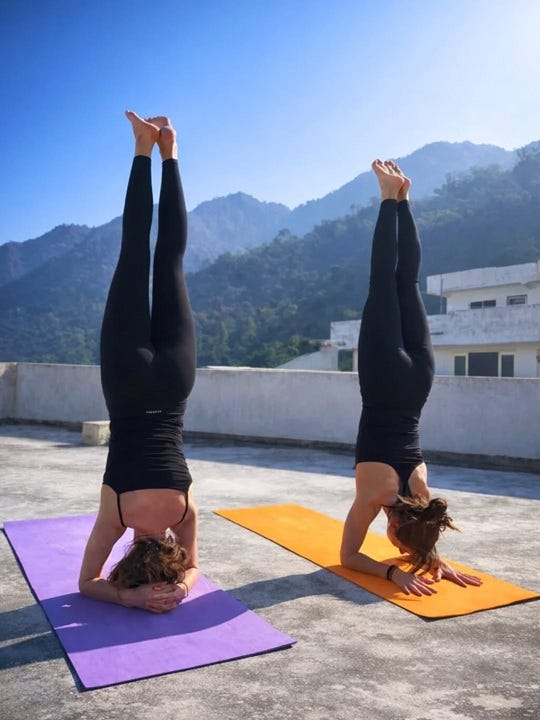
India stands out because yoga began here, and the teaching tradition still feels active in places like Rishikesh. In the right yoga school or yoga ashram, your yoga teacher training program goes beyond a basic yoga course. You learn through daily rhythm, shared living, and guided yoga practice rooted in yoga philosophy.
There is also a practical side. Many schools offer Yoga Alliance-linked yoga certification at a lower cost than programs in the West, often with accommodation and meals included. To choose well, look for clear recognition, experienced teachers, honest communication, and a training setting that matches your goals.
India’s Heritage as the Birthplace of Yoga
Yoga did not begin in a modern studio. Its roots are in India, where the history of yoga stretches back thousands of years. When you train here, you are closer to the original environment that shaped yoga philosophy, discipline, and practice. That alone can change how you understand the subject.
In places such as Rishikesh, a yoga ashram or yoga institute often reflects this living heritage. You hear chants, see traditional routines, and study ideas linked to texts like the yoga sutras. Your learning is not limited to yoga postures. It includes context, purpose, and the mindset behind practice.
That is also where differences between courses become clear. Some focus mainly on physical training, while others include deeper study of yoga philosophy, meditation, and classical teachings. If you want a broader understanding, India offers a setting where the roots of yoga still feel close and relevant.
Recognition from International Yoga Certification Bodies
Recognition matters because it affects where and how you can use your training later. Yoga Alliance is described as the largest international registry for yoga teachers and schools, and many students look for a registered yoga school before booking. That helps you aim for yoga certification that is widely understood in the global yoga industry.
A few key bodies and labels often come up during your search:
Yoga Alliance recognizes schools as a registered yoga school and allows graduates to apply for teacher registration.
A yoga certification board or government-linked route may matter if you want an India-focused credential path.
The Indian Yoga Association is another name students may see when comparing recognition.
Official recognition starts with verification. The compiled information strongly suggests checking a school directly on the Yoga Alliance directory instead of trusting claims on a website alone. If you also want government recognition, compare the credential path carefully before choosing your program.
Rich Traditions and Authentic Yoga Practices
One major reason students come to India is the chance to study yoga in a more traditional way. A strong course usually combines hatha yoga, breathwork, meditation, and yoga philosophy instead of treating yoga as only exercise. This helps you build a fuller relationship with the practice.
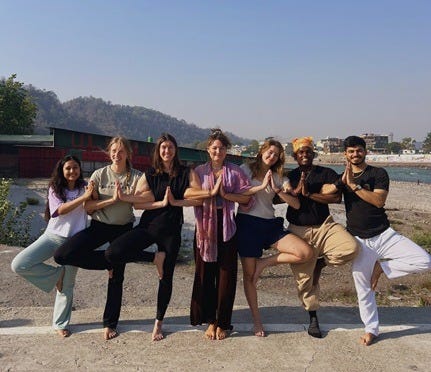
In Rishikesh, many programs are rooted in Hatha and Ashtanga methods. You may spend one part of the day refining yoga asanas and another understanding why alignment, breath, and awareness matter. This kind of yoga practice gives you both structure and depth.
That is why many of the best yoga teacher training programs available in India are those that balance traditional hatha yoga and ashtanga yoga with clear teaching support. Some students are also drawn to lineages associated with sivananda yoga and other classical approaches that keep the practice grounded in its original intent.
Key Benefits of Yoga Teacher Training in India
A yoga teacher training in India can give you more than a certificate. You get daily yoga practice, structured study, and direct contact with teachers in an environment designed for learning. Many students also value the connection between physical training and yoga philosophy, which supports deeper understanding.
On the practical side, a recognized yoga school may offer Yoga Alliance-linked yoga certification, residential living, and focused work on teaching skills. The best yoga course is usually the one that matches your level, preferred learning style, and long-term teaching plans. The next benefits show how that experience can shape you.
Immersive Learning in Yogic Culture
Immersion is one of the biggest strengths of a residential yoga ttc in India. You do not just attend a class and head home. You stay in the same learning environment, follow a daily schedule, eat sattvic meals, and spend your time around others focused on the same path. That consistency can deepen both discipline and understanding.
In a yoga ashram or residential yoga course setting, yoga philosophy often becomes easier to absorb because it is connected to the way you live each day. Morning practice, study time, meals, rest, and evening meditation all support the training in a natural way.
The general entry requirements are often simple and welcoming:
Many 200-hour courses are open to all levels, including beginners.
Commitment and willingness to learn matter more than advanced flexibility.
Full attendance is usually required because the daily schedule is central to the training.
Access to Highly Qualified Yoga Instructors
Teacher quality can shape your whole experience. A strong yoga school does not rely only on marketing. It shows who teaches, how much experience they have, and whether they can guide different kinds of students. That matters when you want a yoga teacher training program that feels serious and supportive.
The compiled information highlights instructors with E-RYT credentials and 10 to 15+ years of experience at Rishikul Yogshala Rishikesh. It also stresses something equally important: teachers who notice your posture, understand your limits, and offer personal guidance at the right time.
If you want well-known yoga training centers in India, Rishikesh is the most frequently highlighted destination in the provided material. Within that setting, established schools with long track records, qualified faculty, and clear yoga certification pathways can be a smart place to begin, especially if you plan to work later as a yoga wellness instructor.
Opportunities for Spiritual Growth and Self-Discovery
Many students come for career reasons and leave with something more personal. A yoga teacher training in India often creates space for reflection, routine, and inner quiet. When your days include yoga practice, meditation, and study, you may start noticing changes in focus, patience, and self-awareness.
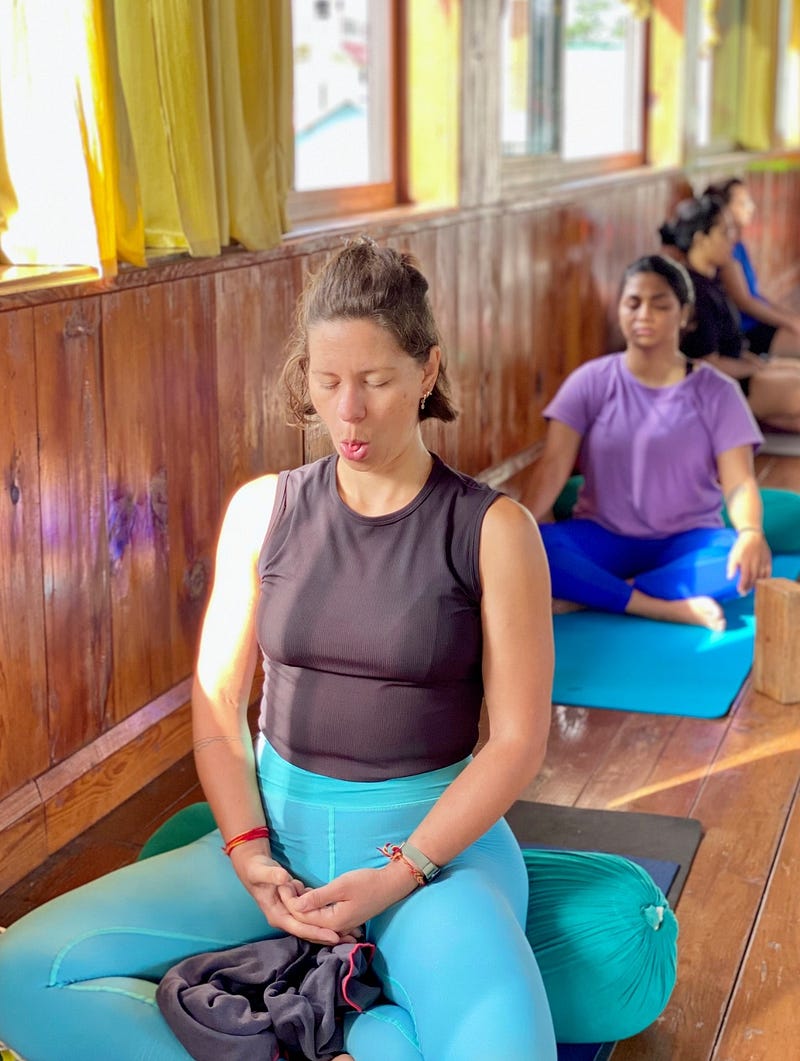
This is where yoga philosophy becomes especially meaningful. Instead of staying abstract, ideas linked to texts such as the bhagavad gita can feel more relevant when they connect to your daily choices, discipline, and mindset. Even a short residential training can feel like a focused yoga retreat.
Courses differ in how much emphasis they place on this side of learning. Some are mainly physical and career-oriented, while others include stronger work in meditation teacher training, philosophy, and inward practice. If self-discovery matters to you, compare the curriculum carefully before choosing.
Types of Yoga Teacher Training Courses Available
India offers several formats, so you can choose an hour yoga teacher training program that fits your level and goals. At one yoga school, you may see a 100-hour foundation, a 200-hour yoga ttc, and advanced 300 or 500-hour options. Each step changes the depth of yoga practice and study.
The main differences between programs usually come down to entry level, duration, curriculum, and final yoga certification. Some focus on starting your path, while others sharpen advanced teaching. Others still work like a specialized yoga instructor course built around therapy, meditation, or wellness-based study.
200 Hour Yoga Teacher Training Course
The 200 hour yoga teacher training is the standard starting point for most students. It is often described as the internationally recognized base level for becoming a certified teacher. In the compiled information, this format runs for 23 residential days and covers Hatha, Ashtanga, pranayama, meditation, philosophy, anatomy, and teaching methodology.
For many people, this hour yoga teacher training program is enough to begin teaching professionally, especially at the foundational level. After completing it at an eligible school, you can register through Yoga Alliance as a registered yoga teacher at the RYT 200 level.
That said, enough does not always mean complete. A 200-hour yoga training program gives you the core skills to start, but growth continues through experience, extra study, and practice. If you want to deepen your teaching voice later, advanced training can become the natural next step.
Advanced 300 and 500 Hour Programs
If you already hold a 200-hour certificate, an advanced ttc can help you move beyond the basics. The 300 hour yoga teacher training in the compiled information is designed for teachers who want to refine advanced asana work, yoga therapy, Ayurveda, and more developed teaching skills.
There is also the 500 hour yoga teacher training for students who want a complete, deeper pathway in one stay. In the provided material, this combines the full 200-hour and 300-hour syllabi over 56 residential days. That means more time to strengthen your method, confidence, and classroom presence.
For students asking about the best yoga teacher training programs available in India, the answer often depends on readiness. A beginner usually benefits from a 200-hour foundation. A practicing teacher may gain more from the 300-hour route. If you want one extended immersion, the 500-hour yoga certification path is the most comprehensive.
Specialized Yoga Instructor Courses (Therapy, Ayurveda, Meditation)
Not every student wants the same end goal. Some want to teach general classes, while others hope to move into yoga therapy, ayurveda, or meditation teacher training. Specialized learning can help you shape a clearer path after your first certification or as part of advanced study.
The compiled information mentions yoga therapy and Ayurveda within advanced programs, showing that some schools build these subjects into a broader training model. This can be useful if you want to work as a yoga wellness instructor or add a stronger healing and lifestyle component to your teaching.
You may also see interest in niche roles such as a children’s yoga teacher or prenatal yoga teacher training. When comparing schools, check whether these topics are offered as dedicated study areas or only lightly introduced inside a wider yoga course. That detail makes a real difference.
How to Get Certified as a Yoga Teacher in India
To get certified, you first need to complete a yoga teacher training program from a credible school. Many students choose a yoga course linked to Yoga Alliance because it supports international registration. Others may look for a path connected to a yoga certification board or a government-recognized system in India.
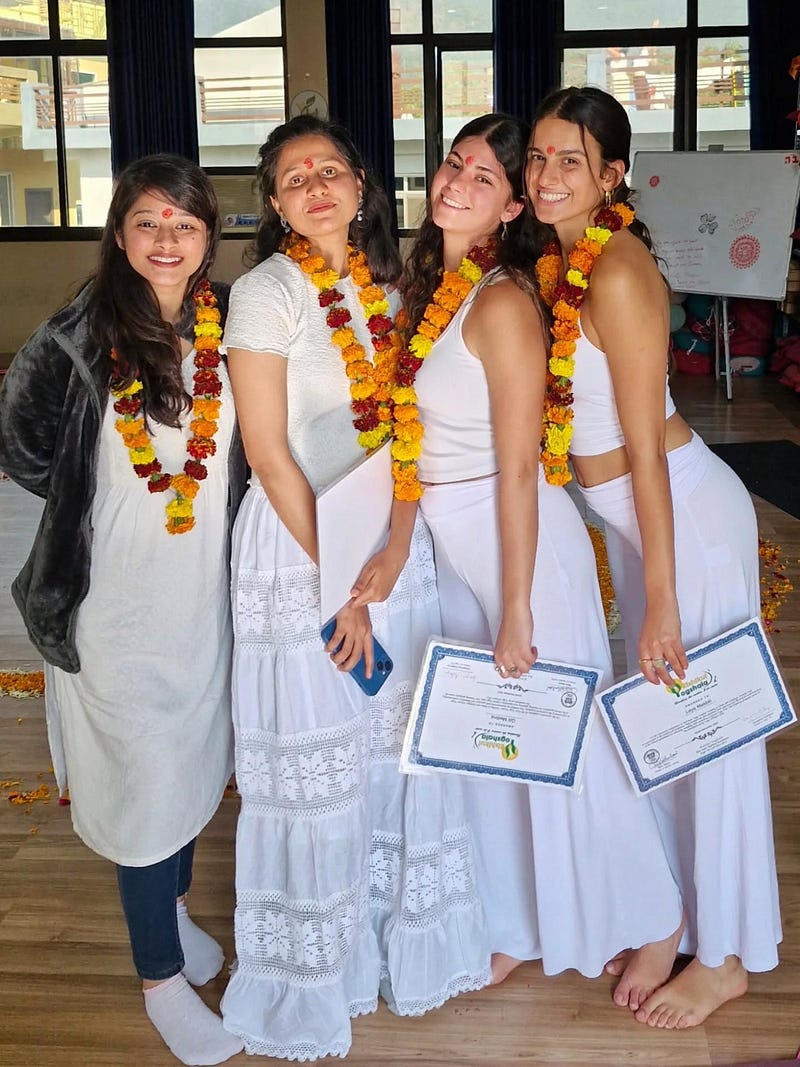
If your goal is a government-approved route, compare options carefully before enrolling. The compiled information specifically highlights Yoga Alliance recognition and also references bodies such as the Ministry of AYUSH and government of india-linked certification pathways as important points to understand. The following sections make that process clearer.
Requirements for Joining a Yoga Teacher Training Program
Many people worry they need years of experience before joining a yoga course. The compiled information gives a reassuring answer: for a 200-hour level, prior expertise is not required. A yoga teacher training program can be open to complete beginners if they are sincere and ready to learn.
What matters most is your attitude toward yoga practice and study. You do not need perfect flexibility or a polished personal routine. You do need commitment, regular attendance, and openness to learning subjects beyond movement, including yoga philosophy and breathwork.
Here are the key points to keep in mind:
A beginner can join many entry-level courses.
Willingness to learn is valued more than advanced physical ability.
Full attendance is usually compulsory to qualify for yoga certification.
Government Recognition and Yoga Alliance Certification
Students often ask whether they should choose a Yoga Alliance course or a government-linked route. The answer depends on where you plan to teach. Yoga Alliance is presented in the compiled information as the most widely recognized international registry, while a yoga certification board linked to India may matter more for domestic institutional recognition.
If you want a government-approved yoga certification in India, look for programs aligned with the ministry of ayush or related official systems. If you want broader international mobility, a registered yoga school with Yoga Alliance recognition can be the more practical option.
The important step is not guessing. Verify the school, confirm the exact credential, and ask how the certificate is used after graduation. A government of india-linked route and a Yoga Alliance route are not always the same thing, so clarity before booking can save you time and money.
Understanding Certificates Issued by Reputed Institutions
A yoga certificate is only useful when you understand what it represents. Some certificates show course completion, while others support professional registration. That is why you should ask what a yoga course actually leads to before you enroll, especially if you want to teach in India, abroad, or both.
The compiled information makes one point very clear: certificates from a Yoga Alliance-recognized yoga school can support global teaching plans. It also notes that shorter courses such as a 100-hour program may count toward future training but are not standalone teaching certification.
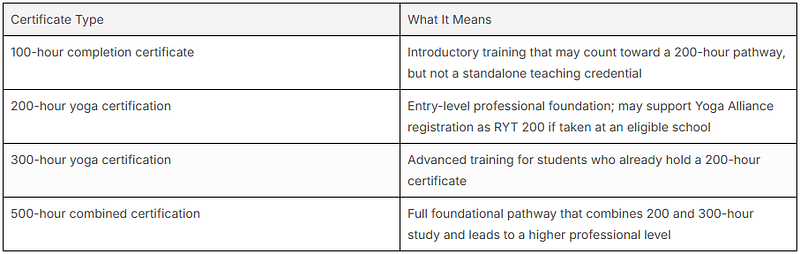
When comparing institutions, ask whether the certificate is for completion, registration eligibility, or government recognition. That simple question can help you avoid choosing the wrong path.
Choosing the Right Yoga Teacher Training Program
Choosing the right yoga teacher training in India starts with honesty about your level and purpose. Are you a beginner who wants a strong base, or a teacher looking to grow? The right program should match your current yoga practice, preferred teaching methods, and long-term plans.
You should also evaluate the yoga school itself. Check recognition, teacher experience, reviews, curriculum, and living conditions before you commit to any teacher training course. A good fit feels clear, not confusing. The next sections break down what to compare so your decision feels more informed.
Popular Yoga Training Centers and Their Strengths
When people ask for recommendations, Rishikesh comes up again and again in the compiled material. It is presented as the Yoga Capital of the World and a serious destination for students from many countries. That makes it a natural place to begin your search for a yoga school or yoga training center.
Within Rishikesh, the strengths to compare are clear: teaching tradition, recognition, teacher experience, curriculum depth, and residential structure. A long-running yoga institute or yoga ashram with verified registration can give you more confidence than a newer school with limited information.
The provided material highlights schools connected to Yoga Alliance and rooted in Hatha and Ashtanga study. It also references the wider teaching influence of figures such as Swami Sivananda, which helps explain why names linked to sivananda yoga vedanta and classical lineages still matter when students compare yoga certification options.
Considering Course Curriculum and Teaching Style
The curriculum tells you what a school truly values. One yoga course may focus heavily on physical practice, while another gives equal time to anatomy, breath, meditation, and yoga philosophy. If you want a balanced education, you should look closely at the daily subjects, not just the course title.
Your preferred style of yoga matters too. Some students want a classical Hatha base. Others enjoy a more dynamic Ashtanga structure. The best choice is not the one that sounds impressive. It is the one that helps you learn yoga asanas safely and understand how to teach them clearly.
Pay special attention to teaching methods. A strong course should not only show you how to practice. It should also explain cueing, sequencing, observation, and class management. If that piece is weak, your personal practice may improve, but your confidence as a teacher may not grow enough.
Important Factors: Location, Class Size, and Accommodation
Small details can make a big difference during an intensive yoga training program. The right place should support focus, rest, and steady learning. In the compiled information, Rishikesh stands out because of its river setting, spiritual atmosphere, and long association with yoga life and study.
Class size matters because it affects feedback. The source material suggests that around 20 to 25 students can allow better teacher attention. Accommodation matters too. Simple, clean rooms, regular meals, and a workable daily schedule can help you stay grounded during training.
Before booking, check these practical points:
Ask about class size and how much direct teacher attention you can expect.
Confirm accommodation details, room type, and whether meals are included.
Make sure the yoga ashram or campus environment feels like the right place for your learning style.
Online and Hybrid Yoga Teacher Training Options
Many students now ask whether online yoga certification is available from Indian institutions. That question makes sense if you need flexibility or cannot travel right away. In general, you should check whether the yoga school clearly explains the structure, credibility, and learning outcomes of any online yoga ttc or yoga course.
At the same time, the compiled information strongly favors in-person learning and states that the featured training is fully residential rather than online. So while online formats may exist in the wider market, you should weigh flexibility against hands-on practice, community, and direct teacher support before choosing.
Advantages of Online Yoga Certification in India
The biggest attraction of online yoga certification is convenience. If you cannot relocate or pause work, an online yoga teacher training course may seem easier to fit into your schedule. It can also widen access to a yoga school in India without immediate travel costs.
That said, the compiled information does not promote online study as the preferred route. Instead, it emphasizes that yoga is best learned in person because shared energy, hands-on adjustments, and immersive living are hard to recreate on a screen. That is an important point to keep in mind.
So yes, online yoga certification may appeal to students seeking flexibility, but you should ask what kind of yoga practice support, live teaching, and feedback are included. Without those pieces, your yoga certification may feel less complete, especially if your goal is confident in-person teaching.
Recognized Online Courses by Top Indian Yoga Schools
When looking for recognized online yoga certification, the same rules apply as they do for in-person study. Start by checking the yoga school directly, then verify whether any yoga teacher training program is linked to Yoga Alliance or another accepted credential system. Recognition should never be assumed.
The compiled information does not list specific online courses from named Indian schools. Instead, it presents the featured school as fully residential and in-person only. That means you should be cautious about making broad assumptions from marketing claims elsewhere.
If you do explore online options, ask direct questions. Is the school recognized? Is the course eligible for Yoga Alliance-related registration? Does it connect to any yoga certification board pathway? Reputable institutions should answer these points clearly and without vague promises.
Balancing Flexibility with Authentic Practice
Flexibility is useful, but it should not weaken the quality of your learning. A yoga teacher training program is not only about consuming information. It is about repeating yoga practice, receiving correction, and gradually building confidence. That process can be harder in a fully remote setting.
The compiled information repeatedly points to immersion as a major advantage of in-person training in India. Living the routine, following the schedule, and learning beside others can strengthen discipline and teaching skills in ways that are difficult to reproduce through online yoga certification alone.
So how do you choose? Start with your real constraints. If travel is not possible, an online yoga course may be a first step. If you want the most authentic and complete experience described in the provided material, a residential program in India remains the stronger option.
Conclusion
In conclusion, pursuing yoga teacher training in India offers a unique opportunity to immerse yourself in the roots of yoga while gaining invaluable skills. The rich heritage, qualified instructors, and diverse course options available allow for both personal growth and professional development. Whether you’re looking to deepen your practice or aspire to teach others, this journey not only enhances your understanding of yoga but also fosters spiritual growth. Embrace the transformative experience that awaits you in India, and take the first step towards becoming a certified yoga instructor. For those eager to learn more, don’t hesitate to get in touch for a free consultation!
Frequently Asked Questions
Is a 200 hour yoga teacher training enough to become a professional instructor of yoga in India?
Yes, a 200 hour yoga teacher training is generally the standard starting point for teaching professionally. If your yoga course is with an eligible school, your yoga certification can support Yoga Alliance registration as a registered yoga teacher at the RYT 200 level. It gives you the foundation to begin.
What qualifications do I need before enrolling in a yoga teacher training course?
You usually do not need advanced qualifications before joining a yoga teacher training program. Many entry-level courses welcome beginners. What matters most is commitment to yoga practice, openness to yoga philosophy, and readiness to complete the hour yoga teacher training with regular attendance and sincere effort.
Which certifications are recognized for yoga teacher teaching in India and internationally?
For international teaching, Yoga Alliance-linked yoga certification from a registered yoga school is widely recognized. In India, some students also look for credentials connected to a yoga certification board or government of india pathways. The best choice depends on whether you want domestic recognition, global mobility, or both.
Comments
Log in or sign up to join the conversation.