

How Chamfering Improves Precision, Safety, and Machining Performance
Introduction
Precision machining is all about producing components that meet exact specifications while maintaining high-quality finishes. One important process that contributes to both functionality and appearance is chamfering. Although often considered a finishing operation, chamfering plays a critical role in improving product quality, assembly efficiency, and workplace safety.
In modern manufacturing, a chamfer tool is widely used to create beveled edges on machined components. From aerospace and automotive industries to general engineering and metal fabrication, chamfering helps manufacturers achieve cleaner edges and more professional results.
This article explores the benefits and applications of chamfering tools in machining, explains how they work, and highlights why they are an essential part of modern manufacturing operations.
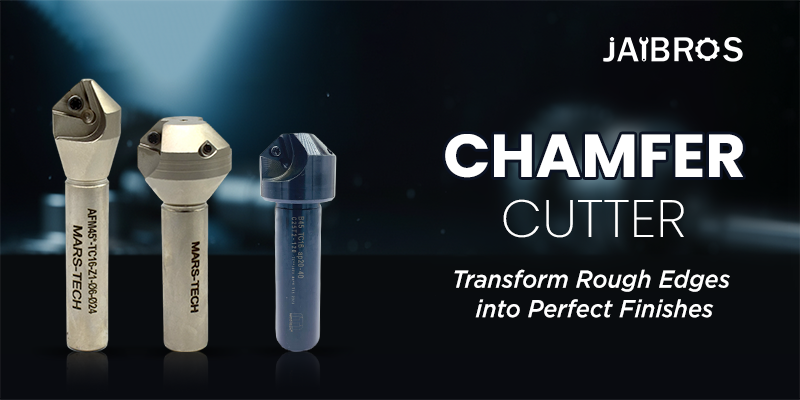
What Is a Chamfer Tool?
A chamfering tool is a cutting instrument designed to remove material from the edge of a workpiece to create an angled surface. Instead of leaving a sharp 90-degree corner, the tool forms a bevel that improves both appearance and functionality.
Chamfers are commonly used to:
Remove sharp edges
Improve safety
Assist assembly operations
Reduce stress concentrations
Enhance surface finishing
Prepare parts for welding
A high-quality chamfer tool ensures consistent edge preparation and minimizes the need for manual finishing processes.
Why Chamfering Is Important in Machining
Machined components often leave the production line with sharp edges and burrs. These imperfections can create several problems if not addressed properly.
Improved Safety
Sharp corners can cause injuries during handling and assembly. Chamfering removes these hazards and creates smoother surfaces.
Better Component Assembly
Chamfered edges help guide mating parts into place, reducing installation time and minimizing assembly errors.
Reduced Stress Concentration
Sharp edges often become points where stress accumulates. Chamfering distributes stress more evenly, helping improve part durability.
Enhanced Appearance
Products with smooth beveled edges look more refined and professional, improving customer satisfaction.
Key Benefits of Using Chamfering Tools
1. Improved Machining Quality
One of the biggest advantages of using a chamfering tool is the ability to produce cleaner and more consistent edges.
Uniform chamfers improve:
Product appearance
Dimensional consistency
Surface quality
Manufacturing standards
This level of precision is especially important in industries where tight tolerances are required.
2. Increased Productivity
Modern machining operations focus heavily on efficiency.
By integrating chamfering directly into CNC machining cycles, manufacturers can:
Reduce manual labor
Minimize secondary operations
Improve workflow efficiency
Increase production output
A properly selected chamfer tool helps reduce processing time while maintaining high-quality results.
3. Longer Tool and Component Life
Chamfered edges reduce localized stress and improve load distribution.
This results in:
Improved component reliability
Reduced cracking risks
Better wear resistance
Longer service life
Proper edge preparation can significantly enhance the durability of machined products.
4. Reduced Manufacturing Costs
High-quality chamfering tools help reduce:
Rework
Scrap rates
Manual finishing costs
Production delays
Over time, these savings can contribute to lower overall manufacturing expenses.
5. Improved Safety Standards
Workshops that prioritize edge finishing create safer working environments.
Operators handling parts with chamfered edges face fewer risks associated with cuts and sharp corners.
Common Applications of Chamfering Tools
Chamfering tools are used across a wide range of machining applications.
Edge Breaking
The most common application is removing sharp corners from machined parts.
Edge breaking improves handling safety and reduces the risk of damage during transportation and assembly.
Deburring Operations
Machining processes frequently create burrs that interfere with product quality.
Chamfering removes these imperfections and produces smoother edges.
Countersinking
Chamfering is often used to create conical openings for flat-head screws and fasteners.
Weld Preparation
Beveled edges improve weld penetration and help create stronger joints.
Thread Entry Preparation
Chamfered openings make it easier to install threaded fasteners and reduce thread damage during assembly.
Types of Chamfering Tools Used in Machining
Different machining applications require different chamfering solutions.
Standard Chamfer Mills
These are among the most commonly used tools for creating angled edges and removing burrs.
Countersink Tools
Countersinks are designed to produce chamfered holes that accommodate flat-head screws.
Spotting and Chamfer Combination Tools
These tools combine multiple operations into a single machining cycle, improving efficiency.
Indexable Chamfering Tools
Indexable tools use replaceable inserts, making them cost-effective for high-volume production environments.
Back Chamfering Tools
A back chamfer tool is designed for creating chamfers in difficult-to-access locations such as internal surfaces and recessed features.
These tools are widely used in aerospace, hydraulic, and precision engineering applications.
Chamfering in CNC Machining
Modern manufacturing relies heavily on CNC technology to improve accuracy and repeatability.
A dedicated chamfer tool cnc setup allows manufacturers to automate edge-finishing operations while maintaining consistent results.
Benefits of CNC chamfering include:
Higher precision
Better repeatability
Reduced labor requirements
Faster production cycles
Improved quality control
CNC-controlled chamfering is especially beneficial for large-scale manufacturing operations where consistency is essential.
Chamfering Operations on Lathes
Turning centers also require edge-finishing operations.
A chamfer tool lathe is specifically designed to create beveled edges during turning processes.
These tools are commonly used when machining:
Shafts
Bushings
Connectors
Threaded components
Precision mechanical parts
Lathe-based chamfering reduces secondary processing and improves overall production efficiency.
The Relationship Between Chamfering and CNC Tools
Chamfering tools work alongside other advanced cnc tools to produce finished components that meet strict quality requirements.
A typical CNC machining setup may include:
End mills
Drills
Reamers
Threading tools
Boring tools
Chamfering tools
Together, these tools help manufacturers achieve precise dimensions, excellent surface finishes, and efficient production workflows.
Factors to Consider When Selecting a Chamfering Tool
Choosing the right chamfering solution requires evaluating several important factors.
Material Type
Different materials require different cutting geometries and coatings.
Examples include:
Aluminum
Stainless steel
Titanium
Cast iron
Tool steel
Chamfer Angle
Common chamfer angles include:
30°
45°
60°
90°
The correct angle depends on engineering specifications and application requirements.
Machine Compatibility
Tool selection should match machine capabilities, spindle speed, and tool-holding systems.
Production Volume
High-volume operations often benefit from indexable tooling systems that reduce replacement costs.
Future Trends in Chamfering Technology
Manufacturing technology continues to evolve.
Emerging innovations include:
Smart tool monitoring systems
Advanced carbide grades
Wear-resistant coatings
Automated tool measurement
High-speed machining optimization
These developments help improve productivity while maintaining exceptional machining quality.
Conclusion
Chamfering plays a crucial role in modern machining by improving edge quality, safety, assembly performance, and overall product appearance. A high-quality chamfer tool helps manufacturers achieve consistent results while reducing production costs and increasing efficiency. Whether used for edge breaking, deburring, countersinking, or weld preparation, chamfering tools remain an essential component of modern manufacturing operations.
For businesses looking for reliable machining solutions, Jaibros offers a wide range of precision-engineered tooling products designed to meet the demands of modern industries. From chamfering tools to advanced CNC cutting solutions, Jaibros supports manufacturers with high-performance products that help improve productivity, accuracy, and machining excellence.
FAQs
1. What is the primary purpose of a chamfer tool?
A chamfer tool is used to create beveled edges on workpieces, improving safety, appearance, and assembly performance.
2. Why is chamfering important in machining?
Chamfering removes sharp edges, reduces stress concentrations, improves assembly, and enhances overall product quality.
3. What is a back chamfer tool used for?
A back chamfer tool is designed to create chamfers on internal surfaces and hard-to-reach areas that standard tools cannot access.
4. Can chamfering operations be automated on CNC machines?
Yes, CNC machines can automate chamfering operations using dedicated tooling for consistent and repeatable results.
5. Which industries commonly use chamfering tools?
Industries such as aerospace, automotive, medical manufacturing, metal fabrication, and precision engineering regularly use chamfering tools.
Comments
Log in or sign up to join the conversation.