

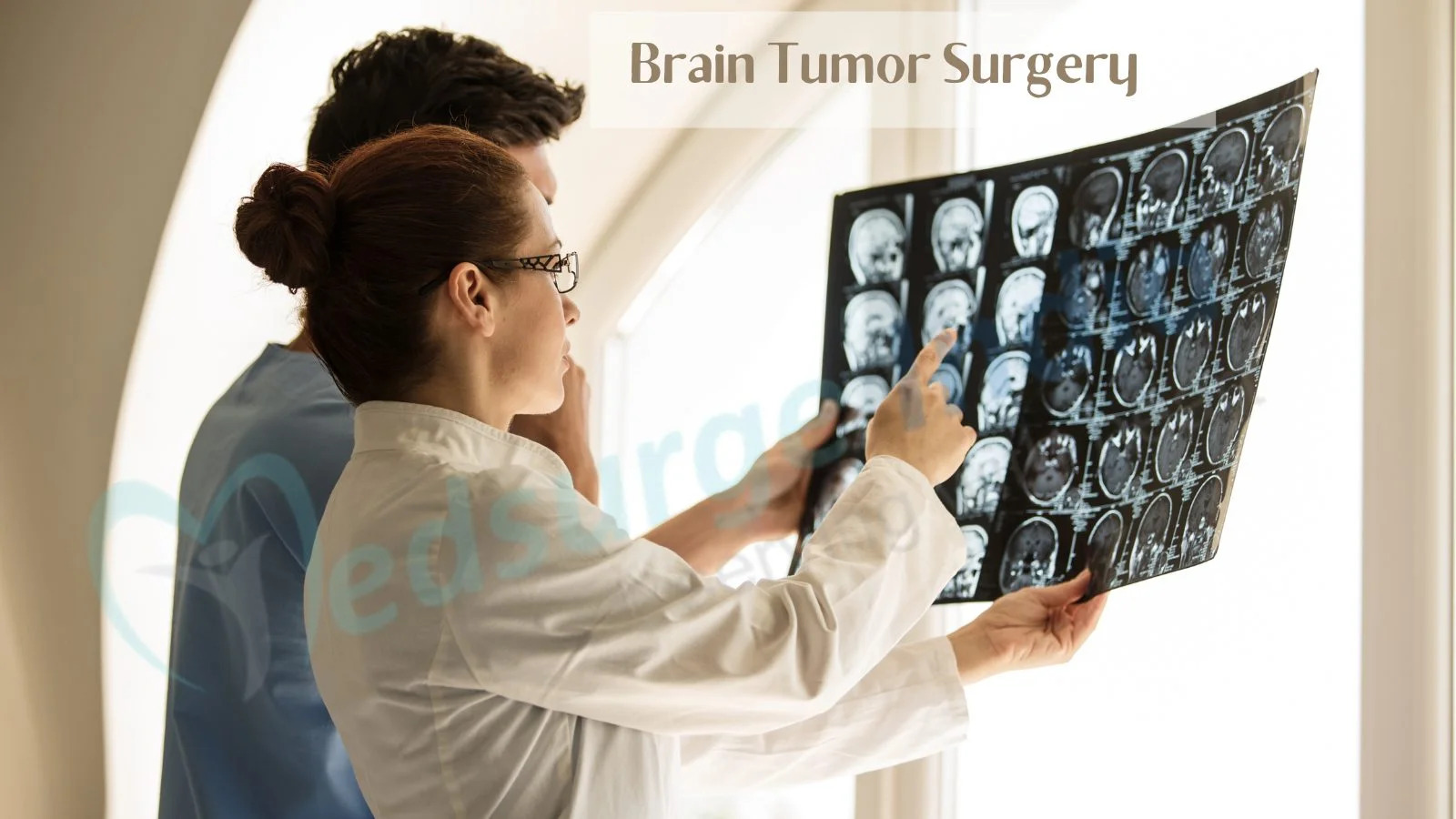
A brain tumor develops when abnormal cells grow in or around the brain and form a mass. Brain tumors can be benign, meaning non-cancerous, or malignant, meaning cancerous. Their effects depend on factors such as the tumor's type, size, growth rate, and location in the brain.
Brain tumor surgery is an important treatment option for many patients. The primary aim of surgery is to remove the tumor or as much of it as can be safely removed while protecting healthy brain tissue. In some cases, complete removal is possible. However, if the tumor is located close to areas responsible for speech, movement, vision, memory, or other essential functions, the surgeon may remove only a safe portion of the tumor.
India is increasingly chosen for brain tumor treatment because of its experienced neurosurgeons, advanced medical technology, modern hospitals, and comparatively affordable healthcare costs.
Brain Tumor Surgery Cost in India
The brain tumor surgery cost in India is approximately INR 4.16 lakh to INR 7 lakh, which is around USD $5,000 to $8,300. The actual cost can vary significantly depending on the patient's condition and the treatment required.
Several factors influence the final price, including the type and location of the tumor, surgical approach, hospital, neurosurgeon's experience, diagnostic investigations, anesthesia, ICU care, medicines, and length of hospitalization.
For international patients, the total medical travel budget may also include accommodation, transportation, visa expenses, meals, and other personal costs.
Approximate Cost at a Glance
Brain tumor surgery: INR 4.16 lakh–INR 7 lakh
Approximate USD cost: $5,000–$8,300
Diagnostic evaluation: MRI, CT scan, neurological examination, and biopsy when required
Hospital stay: Depends on the surgical procedure and recovery
Additional treatment: Radiation, chemotherapy, targeted therapy, or follow-up monitoring may be required
The above figures are estimates and should not be considered a fixed treatment price.
When Is Brain Tumor Surgery Required?
Surgery may be recommended when the tumor can be safely accessed and removal is expected to provide a medical benefit. It may be performed to:
Remove a benign or malignant tumor
Reduce pressure on the brain
Relieve symptoms caused by the tumor
Obtain tissue for laboratory diagnosis
Reduce the size of a tumor before additional treatment
Treat tumors that are causing neurological problems
Not every brain tumor requires immediate surgery. Some small and slow-growing tumors may be monitored through regular imaging and clinical examinations.
Symptoms of a Brain Tumor
Symptoms vary depending on the part of the brain affected. Common symptoms may include:
Frequent or persistent headaches
Seizures
Nausea or vomiting
Dizziness or balance problems
Memory difficulties
Changes in personality or behavior
Difficulty speaking or understanding language
Blurred or double vision
Weakness or numbness
Tremors
Difficulty walking
Excessive sleepiness
Problems with concentration
These symptoms can also occur due to several other medical conditions. A person experiencing persistent or worsening symptoms should undergo an appropriate medical evaluation.
How Is a Brain Tumor Diagnosed?
Before recommending surgery, a neurosurgeon evaluates the patient's symptoms, medical history, imaging results, and overall health.
Neurological Examination
A neurological examination helps assess functions such as movement, strength, coordination, reflexes, vision, hearing, memory, and speech.
MRI Scan
MRI is commonly used to obtain detailed images of the brain. It helps doctors understand the tumor's location, size, and relationship with surrounding brain structures.
CT Scan
A CT scan can provide detailed images of the brain and may help identify the tumor, swelling, bleeding, or other abnormalities.
Biopsy
A biopsy may be recommended when the medical team needs to identify the exact type and grade of the tumor. The tissue sample is examined by a pathologist.
Other Tests
Depending on the suspected tumor and its location, doctors may recommend additional imaging or blood and laboratory tests.
Types of Brain Tumor Surgery
The surgical approach depends on the tumor's characteristics and its location.
Craniotomy
Craniotomy is a commonly performed procedure in which the surgeon temporarily removes a portion of the skull to access the tumor. After removing the tumor or the safest possible portion, the bone is generally placed back.
Tumor Resection
The surgeon attempts to remove the maximum safe amount of tumor. The term "maximum safe resection" is important because removing every visible tumor cell may not be possible if the tumor is close to critical brain structures.
Minimally Invasive Approaches
Certain tumors may be treated using minimally invasive techniques. These approaches are selected according to the tumor's location and the patient's medical condition.
Biopsy Procedure
When complete tumor removal is not required or is considered unsafe, a biopsy may be performed to obtain tissue for diagnosis and guide further treatment.
Other Treatment Options for Brain Tumors
Surgery is not always the only treatment. Depending on the diagnosis, doctors may recommend one or more additional treatments.
Radiation Therapy
Radiation therapy uses high-energy radiation to damage tumor cells. It may be recommended after surgery to treat remaining tumor cells or as the primary treatment when surgery is not suitable.
Chemotherapy
Chemotherapy uses medicines to destroy or control cancer cells. It may be recommended for certain malignant brain tumors. Treatment schedules vary depending on the type of tumor and the medicines being used.
Targeted Treatment
Some tumors contain specific molecular characteristics that can be targeted using specialized medicines. These therapies are considered only when appropriate testing indicates that they may be beneficial.
Regular Monitoring
Some benign or slow-growing tumors may be monitored with periodic MRI scans rather than treated immediately. The decision depends on the tumor's behavior and the patient's symptoms.
Factors Affecting Brain Tumor Surgery Cost in India
The final treatment expense depends on several factors:
Type and grade of brain tumor
Size and location of the tumor
Complexity of the surgery
Surgical technique used
Experience of the neurosurgeon
Hospital and city
Operating room charges
Anesthesia fees
ICU requirements
Hospital room category
Duration of hospitalization
MRI, CT, biopsy, and laboratory tests
Medicines and medical supplies
Rehabilitation and follow-up care
Additional radiation or chemotherapy
A detailed cost estimate is generally provided after reviewing the patient's medical reports and treatment plan.
Recovery After Brain Tumor Surgery
Recovery varies from patient to patient. Some patients may experience headaches, tiredness, temporary weakness, or other symptoms following surgery. The healthcare team monitors the patient closely after the procedure to identify and manage potential complications.
The hospital stay depends on the complexity of surgery and the patient's recovery. After discharge, patients may need additional rest, medicines, rehabilitation, follow-up consultations, and imaging.
Patients should follow their neurosurgeon's instructions regarding physical activity, medicines, wound care, and follow-up appointments.
Brain Tumor Surgery for International Patients
International patients considering treatment in India need to plan both medical and travel-related arrangements. Apart from the surgery, they may need to budget for diagnostic tests, medicines, hospital stay, accommodation, food, local transportation, medical visa expenses, and flights.
The duration of stay can vary depending on the procedure and recovery. Patients are generally advised to remain in India for the required follow-up period before travelling back home.
Role of Medsurge India
Medsurge India helps international patients coordinate their medical treatment journey in India. The company assists patients in connecting with suitable hospitals and experienced neurosurgeons based on their medical requirements.
Medsurge India's support may include:
Hospital and doctor coordination
Medical consultation arrangements
Sharing medical reports with specialists
Assistance in understanding treatment plans
Estimated treatment cost coordination
Hospital appointment scheduling
Medical visa assistance
Airport pickup and transportation support
Accommodation assistance
Interpreter services when needed
Treatment coordination throughout the patient's stay
Follow-up support after treatment
This assistance can make the process of travelling to another country for medical treatment more organized. Medical decisions, however, are made by the treating neurosurgeon and healthcare team after evaluating the patient.
Why Choose India for Brain Tumor Treatment?
India has developed advanced neurosurgical facilities with experienced specialists and modern diagnostic and surgical technologies. Many hospitals provide multidisciplinary care involving neurosurgeons, neurologists, oncologists, radiologists, pathologists, anesthesiologists, and rehabilitation specialists.
The comparatively lower brain tumor surgery cost in India, combined with access to specialized medical care, makes India an option for patients seeking treatment from abroad. Patients should always compare hospitals based on medical expertise, infrastructure, treatment approach, and overall quality of care.
Conclusion
The brain tumor surgery cost in India generally ranges from INR 4.16 lakh to INR 7 lakh ($5,000–$8,300). However, the actual expense depends on the tumor type, location, surgical complexity, hospital, surgeon, diagnostic tests, and additional treatment requirements.
Brain tumor surgery aims to remove as much of the tumor as safely possible while preserving important brain functions. Depending on the diagnosis, patients may also require radiation therapy, chemotherapy, targeted treatment, or regular monitoring.
For international patients, Medsurge India can provide support with hospital selection, doctor consultations, treatment coordination, medical visa assistance, accommodation, transportation, and follow-up arrangements, helping patients manage their medical travel journey more conveniently.
Comments
Log in or sign up to join the conversation.