

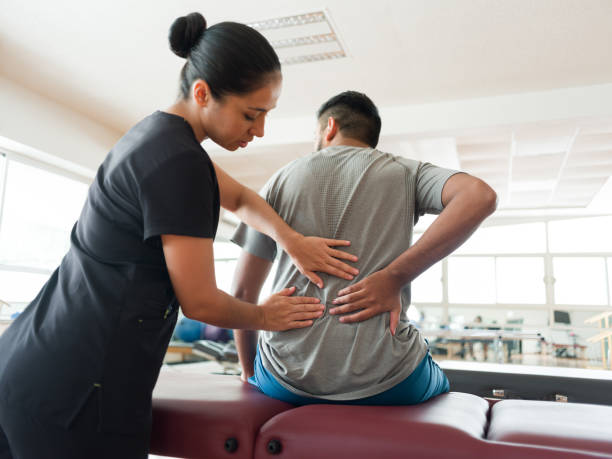
A stroke can affect a person's movement, strength, balance and ability to manage everyday activities. Depending on the area of the brain involved, the patient may develop weakness or reduced movement on one side of the body, muscle stiffness, difficulty walking, changes in speech or problems with coordination.
Recovery is often a gradual process that requires regular care, patience and support from both family members and healthcare professionals.
Alongside prescribed medical treatment and rehabilitation, Ayurveda focuses on suitable therapies, diet, lifestyle measures and strengthening practices. Traditionally, Ayurveda connects several paralysis-related conditions with an aggravation of Vata, the dosha associated with movement and nervous system functions.
For families seeking supportive care at home, Massage for Stroke Patient at Home in Delhi can be considered as part of a professionally guided rehabilitation programme. Home-based therapy can be particularly convenient for elderly patients and people with limited mobility who may find regular travel difficult.
Stroke and Paralysis in the Ayurvedic Perspective
Ayurveda generally places paralysis-related conditions within the broader group of Vata-related disorders. Vata is traditionally associated with movement, nerve-related functions and coordination of activities throughout the body.
An aggravation of Vata may be associated with symptoms such as weakness, stiffness, reduced movement, pain, tremors or changes in sensation.
One important Ayurvedic condition associated with paralysis is Paksaghatta, which is commonly compared with hemiplegia. It refers to a condition in which one side of the body is affected, resulting in reduced strength and movement. The extent and severity of symptoms can vary between individuals.
Ayurveda also describes Ardita, a condition associated with facial paralysis. It may affect one side of the face and can be accompanied by difficulty with facial movement and speech.
Other conditions mentioned in Ayurvedic literature include Apatanaka, traditionally associated with tetanus, and Vatasonita (Vatarakta), associated with gout.
Since these conditions have different causes and presentations, treatment should always be planned according to the individual's specific condition rather than following one approach for everyone.
The Role of Ayurvedic Therapy After a Stroke
Abhyanjana, or Ayurvedic massage, is traditionally used to support Vata balance, relaxation, circulation and nourishment of the body.
For someone recovering from a stroke, carefully performed massage may support comfort, ease the feeling of stiffness and help maintain flexibility when provided under the guidance of a qualified practitioner.
Stroke patients may remain seated or in bed for long periods. Limited movement can contribute to muscle discomfort and stiffness. Gentle oil massage, when appropriate, can therefore form one part of a broader rehabilitation routine.
Ayurvedic rehabilitation is not restricted to massage. Depending on the patient's condition, the overall programme may include appropriate Ayurvedic therapies, strengthening practices and other supportive approaches.
The broader aim is to support movement, flexibility, strength and functional recovery as part of a complete rehabilitation plan.
Ayurvedic Therapies Considered for Stroke and Paralysis
Ayurvedic management of Vata-related conditions can involve several traditional therapies. The specific combination depends on factors such as the patient's age, strength, symptoms, digestion, medical history and assessment by an Ayurveda physician.
Snehana for Vata-Related Conditions
Snehana is the Ayurvedic practice of oleation. It may involve the internal or external use of oils and other unctuous substances.
External oleation may include Abhyanjana and therapeutic oil application.
For stroke patients, oil massage should generally be gentle and adapted to the individual's condition. The purpose is to support relaxation, flexibility and Vata balance rather than applying strong or excessive pressure.
Swedana and Therapeutic Fomentation
Swedana refers to sudation or therapeutic fomentation in Ayurveda.
Different forms of Swedana may be selected according to the patient's condition and may be used to support comfort and stiffness following suitable oil application.
Nadi Sweda, which involves steam fomentation through a directed stream, is one traditional form of Swedana.
Before including Swedana in a rehabilitation programme, the therapist considers the patient's individual condition and suitability for the therapy.
Vasti: Oil and Decoction Enema
Ayurveda gives an important place to Vasti, which includes oil enema and decoction enema therapies and is traditionally associated with the management of Vata disorders.
These are specialised therapies and are not home remedies.
The type of Vasti, ingredients, dosage and timing should be determined by a qualified practitioner. The procedure should be performed with appropriate medical and Ayurvedic supervision.
Nasya Therapy
Nasya involves administering suitable medicines through the nasal route.
It is traditionally used for certain head, neck and neurological conditions, including conditions associated with Ardita.
For someone recovering from a stroke, Nasya should only be undertaken when recommended by an Ayurveda physician.
Other Traditional Ayurvedic Therapies
Depending on the Ayurvedic assessment, other external and internal therapies may also be considered.
These can include:
Parisecana
Parisheka
Pradeha
Upanaha
Sharanani
Shiro Basti
Parisheka or Parisecana involves applying a suitable liquid preparation over a selected area.
Pradeha refers to applying a medicinal paste, while Upanaha involves the use of a medicinal poultice.
Shiro Basti is a traditional oil therapy performed around the head and requires professional supervision.
These treatments are not automatically combined for every stroke patient. Their selection depends on the patient's condition and the assessment of the Ayurveda physician.
Ayurvedic Oils and Traditional Formulations
Ayurveda uses different oils and herbal preparations according to the individual's condition.
Traditional formulations mentioned in the management of Vata-related conditions include:
Dwipanchamuladhi Thaila
Satavaryadi Taila
Satapaka Bala Thaila
Bala Taila
These oils may be selected for external therapies according to the patient's requirements and the guidance of an Ayurveda physician.
The selection should not be based on the stroke diagnosis alone. Other factors, including age, strength, symptoms, digestion, medications and existing health conditions, also need to be considered.
Certain herbs are also traditionally mentioned in Ayurvedic management. Sunthi, for example, is the traditional name for dry ginger. Srnghataka and Kaseruka are also mentioned in classical Ayurvedic contexts.
Stroke patients should not self-medicate with oils, herbs or internal medicines, particularly when they are already taking several prescribed medicines.
Why Home-Based Rehabilitation Can Be Helpful
Following a stroke, weakness, poor balance and restricted mobility can make travelling difficult.
Home-based rehabilitation allows supportive care to take place in a familiar environment, which can be particularly convenient for elderly patients and those with reduced mobility.
Ayursh provides complete rehabilitation support for stroke recovery at home. The approach is not limited to Ayurvedic massage. Depending on the patient's needs, appropriate Ayurvedic therapies can form an important part of the rehabilitation programme.
When suitable, therapies such as oil massage and Nadi Sweda may be included according to the individual's condition.
A professional therapist visits the patient's home and provides the required therapy under proper guidance.
For elderly or bedridden patients, having a family member present during the session can also be helpful. The home should provide sufficient space and a safe environment for both the patient and therapist.
Why Stroke Massage Should Be Gentle
More pressure does not necessarily mean better results, particularly for someone recovering from a stroke.
Weak muscles, altered sensation, reduced balance and other neurological changes may make a patient more sensitive to pressure.
The therapist should therefore work within a comfortable range and adapt the technique to the patient's condition.
The objective is supportive rehabilitation rather than forcing movement or creating discomfort.
Mobility, strength and overall physical condition should all be considered when deciding how Ayurvedic therapy is provided. This helps keep the rehabilitation approach comfortable and appropriate for the individual.
Assessment Before Starting Ayurvedic Therapy
Massage or any other Ayurvedic therapy following a stroke should begin only after proper assessment by a qualified Ayurveda physician and, where appropriate, coordination with the patient's treating medical team.
The assessment may consider:
Severity and type of stroke
Current medications
Blood pressure
Mobility
Muscle tone
Sensation
Other existing health conditions
This information helps determine whether therapies such as Snehana, Swedana, Nasya, Vasti or other approaches are appropriate.
Following assessment, the therapist can provide the prescribed rehabilitation therapy according to the patient's condition and tolerance.
Certain symptoms require immediate medical attention rather than home therapy. These include sudden new weakness, facial drooping, difficulty speaking, severe headache, loss of balance or confusion. Such symptoms may indicate another stroke or another serious medical problem and require emergency medical care.
Combining Ayurveda With Physiotherapy
Ayurveda and physiotherapy can be used together as part of a comprehensive stroke rehabilitation programme when appropriate.
Each approach can support different aspects of recovery, and both can be coordinated according to the individual's requirements.
Ayurvedic care itself can be an important part of rehabilitation and is not restricted to massage. Abhyanjana, Snehana, Swedana, Nasya and other appropriate Ayurvedic therapies can be integrated with physiotherapy and prescribed medical care.
The combination should be planned according to the patient's condition.
A coordinated rehabilitation approach can address areas such as movement, flexibility, strength, comfort and functional abilities in a structured manner.
At Ayursh, the focus is on complete rehabilitation support for stroke recovery at home, with suitable Ayurvedic therapies forming an important part of the overall care plan.
Supporting Stroke Recovery in the Home Environment
Stroke recovery requires regular rehabilitation, consistent care and support.
Prescribed medicines, suitable physical activity, adequate rest, regular therapy and a supportive home environment can all play important roles during recovery.
Family members can assist by making the surroundings safer, helping with daily activities when required and encouraging the patient to follow the rehabilitation programme.
From the Ayurvedic perspective, care traditionally focuses on balancing Vata, maintaining strength and supporting the body's natural functions.
Depending on individual needs and professional assessment, therapies such as Abhyanjana, Snehana, Swedana, Nasya and Vasti may be considered.
With appropriate assessment and professional guidance, home-based Ayurvedic therapies can form an important part of complete stroke rehabilitation for patients and families in Delhi.
Frequently Asked Questions
1. Can stroke patients receive Ayurvedic massage at home?
Ayurvedic massage may be considered as supportive rehabilitation when it is appropriate for the patient's medical condition, stage of recovery, strength and other health factors. A qualified practitioner should assess the patient before starting therapy.
2. Does Ayurvedic massage help with stiffness after stroke?
Gentle Ayurvedic massage may be used to support relaxation, flexibility and comfort in patients experiencing stiffness. Its use should depend on the individual's condition and should form part of the overall rehabilitation plan.
3. Is home-based stroke rehabilitation available in Delhi?
Yes, home-based rehabilitation can be considered for suitable stroke patients, particularly elderly people and those with limited mobility who find travelling difficult. Ayursh provides complete rehabilitation support at home, including appropriate Ayurvedic therapies based on individual requirements.
4. Can Ayurveda be combined with physiotherapy after a stroke?
Yes. Ayurveda and physiotherapy can be coordinated as part of a comprehensive stroke rehabilitation programme when appropriate. Ayurvedic therapies can form one component of rehabilitation alongside physiotherapy and prescribed medical care.
5. What Ayurvedic therapies may be considered during stroke rehabilitation?
Depending on the patient's condition, therapies may include Snehana, Swedana, Abhyanjana, Nasya, oil enema, decoction enema, Nadi Sweda, Parisheka, Upanaha and other appropriate Ayurvedic treatments. The final therapy plan should be determined by an Ayurveda physician after individual assessment.
Comments
Log in or sign up to join the conversation.