


Market Overview
The forex market enters August with investors closely monitoring the US dollar after a mixed performance in recent weeks. While the greenback remains supported by the Federal Reserve's cautious stance, momentum has slowed, leaving traders focused on one key event that could shape the market for the rest of the month—the US Nonfarm Payrolls (NFP) report on August 7.
With trading activity typically lighter during August due to seasonal holidays, unexpected economic data can trigger larger-than-normal price swings across major currency pairs.
Why the August Jobs Report Matters
The US Nonfarm Payrolls report is expected to be the biggest market-moving event of the month. It provides a snapshot of employment growth in the United States and plays a major role in shaping expectations for future Federal Reserve policy.
A stronger-than-expected jobs report would reinforce confidence in the US economy and could support the dollar by reducing expectations of future rate cuts.
On the other hand, weaker employment data may increase speculation that the Federal Reserve will eventually ease monetary policy, placing downward pressure on the US currency.
For traders, this single report could determine market direction throughout August.
US Dollar Outlook: Stable but Losing Momentum
The US Dollar Index (DXY) continues to trade around the 101 level after recovering from summer lows near 99.90. Although buyers remain active, bullish momentum has become less convincing.
At its July policy meeting, the Federal Reserve left interest rates unchanged between 3.50% and 3.75%. The decision reflected a relatively hawkish tone, with three policymakers supporting a rate increase rather than considering cuts.
This has helped keep the dollar supported, but investors remain cautious ahead of fresh economic data.
If employment figures surprise to the upside, the DXY could attempt another move toward the 102 region. However, disappointing data could trigger renewed selling pressure and push the dollar lower.
EUR/USD Outlook: Euro Continues to Show Strength
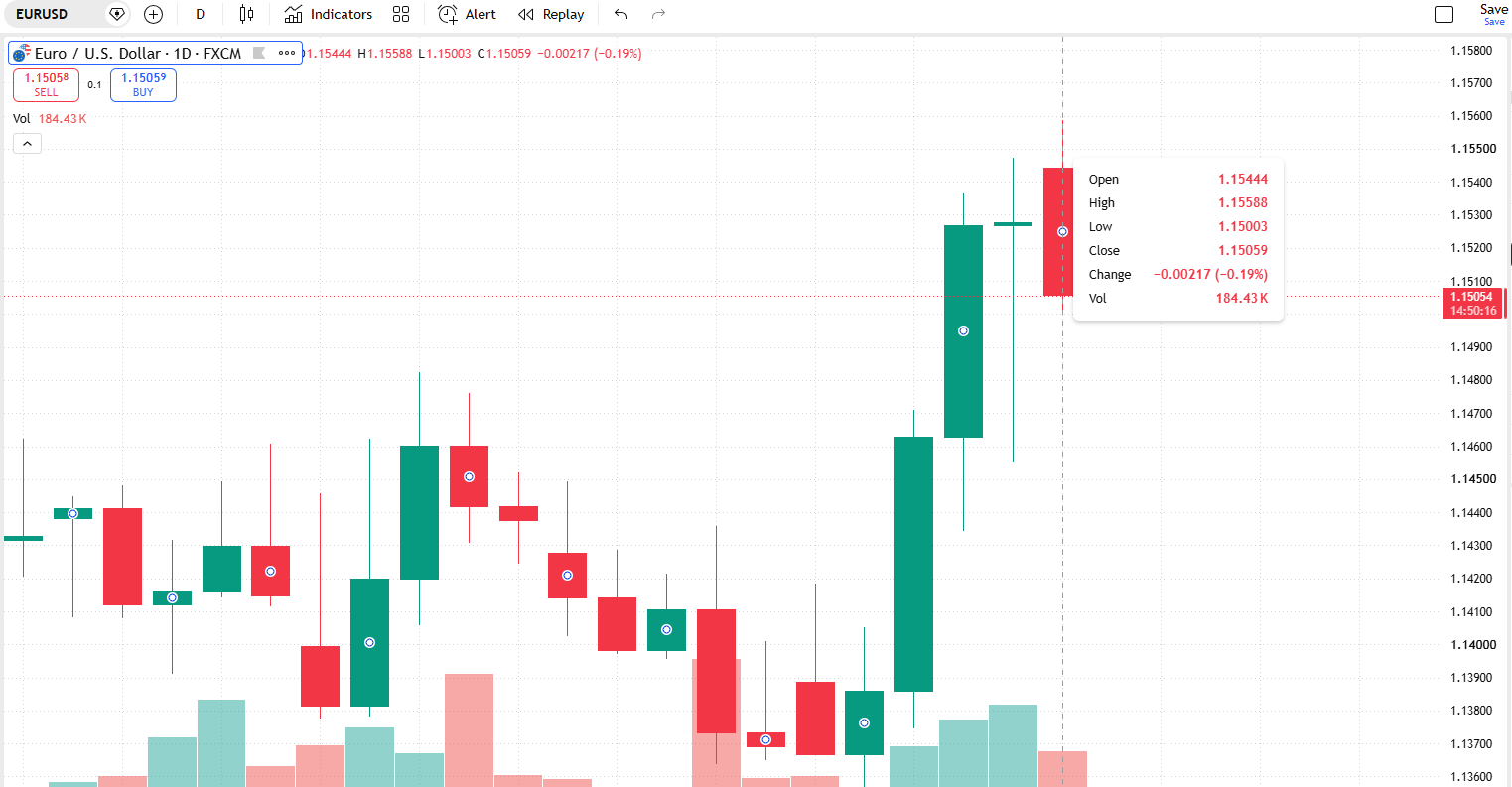
The euro has remained resilient against the US dollar, with EUR/USD trading near 1.1500 at the beginning of August.
Support for the single currency comes from stronger-than-expected Eurozone economic growth and inflation that remains above target. These developments have strengthened expectations that the European Central Bank could continue tightening monetary policy in the coming months.
From a technical perspective:
Resistance: 1.1530 and 1.1600
Support: 1.1400 and 1.1324
A sustained move above 1.1530 could open the path toward 1.1600, while a break below 1.1400 may shift momentum back in favor of the US dollar.
GBP/USD Outlook: Seasonal Pressure Meets Policy Support
The British pound starts August near 1.33 against the US dollar, supported by the Bank of England's 3.75% interest rate.
However, historical market trends show that August has often been one of the weakest months for GBP/USD. Seasonal weakness could limit upside potential, especially if US economic data strengthens the dollar.
Current technical levels include:
Resistance: 1.3400 and 1.3550
Support: 1.3200 and 1.3100
If market sentiment remains positive, sterling could continue trading within its current range. A stronger dollar, however, may push the pair toward lower support levels.
USD/CAD Outlook: Canadian Dollar Awaits Oil and US Data
USD/CAD begins August trading in a relatively narrow range as investors balance a steady US dollar against movements in crude oil prices, one of Canada's biggest economic drivers. The pair remains sensitive to both US employment data and changes in oil market sentiment.
The Bank of Canada has maintained a cautious approach to monetary policy, while traders continue to assess whether the Canadian economy can withstand slower global growth. A rebound in oil prices could support the Canadian dollar, while stronger US economic data may lift USD/CAD higher.
Technical Levels:
Resistance: 1.3820 and 1.3900
Support: 1.3700 and 1.3620
A break above 1.3820 could strengthen bullish momentum, while a move below 1.3700 may signal renewed demand for the Canadian dollar.
NZD/USD Outlook: Kiwi Dollar Looks for Fresh Direction
The New Zealand dollar enters August on stable footing, supported by improving market sentiment and expectations that the Reserve Bank of New Zealand will keep inflation under control. However, the currency remains highly sensitive to US economic releases and developments in China, New Zealand's largest trading partner.
If global risk appetite improves and the US dollar weakens after the Nonfarm Payrolls report, NZD/USD could extend its recovery. Conversely, stronger US data may limit gains and push the pair lower.
Technical Levels:
Resistance: 0.6050 and 0.6120
Support: 0.5950 and 0.5880
Holding above 0.5950 would keep the short-term outlook constructive, while a break below this level could increase selling pressure.
AUD/USD Outlook: Australian Dollar Tracks Risk Sentiment
The Australian dollar continues to trade in line with global risk sentiment and commodity prices. Investors are also watching China's economic performance closely, as stronger demand from China generally supports Australia's export-driven economy.
The Reserve Bank of Australia remains focused on inflation and economic growth, making upcoming domestic data releases important for the currency's direction. Alongside these factors, the US jobs report is expected to be a major catalyst for AUD/USD during the first week of August.
Technical Levels:
Resistance: 0.6650 and 0.6720
Support: 0.6550 and 0.6480
A move above 0.6650 could encourage additional buying interest, while a break below 0.6550 may shift momentum back in favor of the US dollar.
USD/JPY Outlook: Intervention Risks Remain in Focus
The Japanese yen continues to attract attention after suspected coordinated intervention by Japanese and US authorities in late July.
USD/JPY is trading around the 159–160 area, but the sharp decline following intervention has cooled the pair's previous bullish momentum.
At the same time, the Bank of Japan's gradual policy tightening may provide additional support for the yen over the medium term.
Key technical levels include:
Resistance: 161.00 and 163.00
Support: 157.00 and 156.00
Traders should remain alert, as any further intervention or policy announcements could result in rapid price movements.
Key Levels to Watch
EUR/USD
Resistance: 1.1530 | 1.1600
Support: 1.1400 | 1.1324
GBP/USD
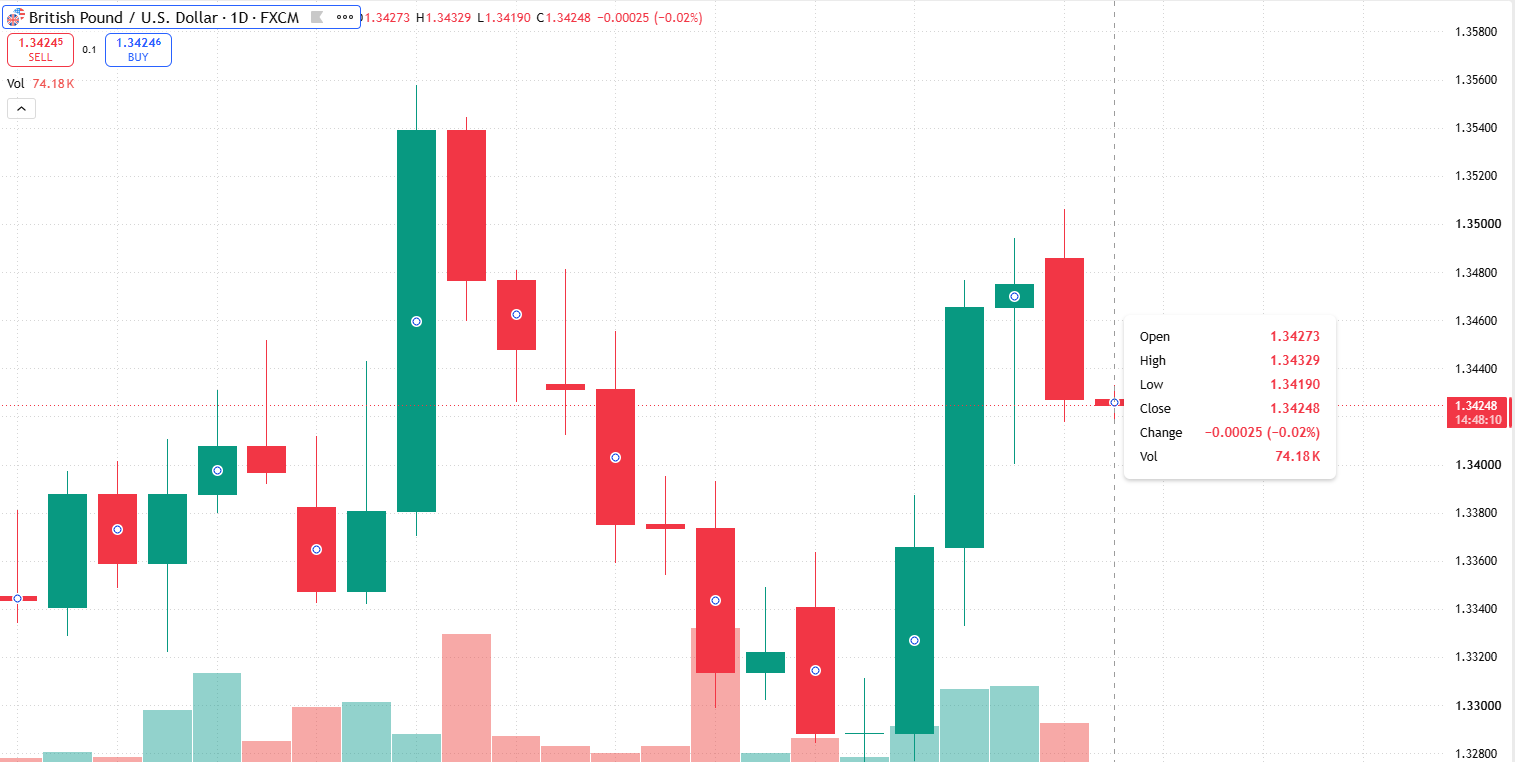
Resistance: 1.3400 | 1.3550
Support: 1.3200 | 1.3100
USD/CAD
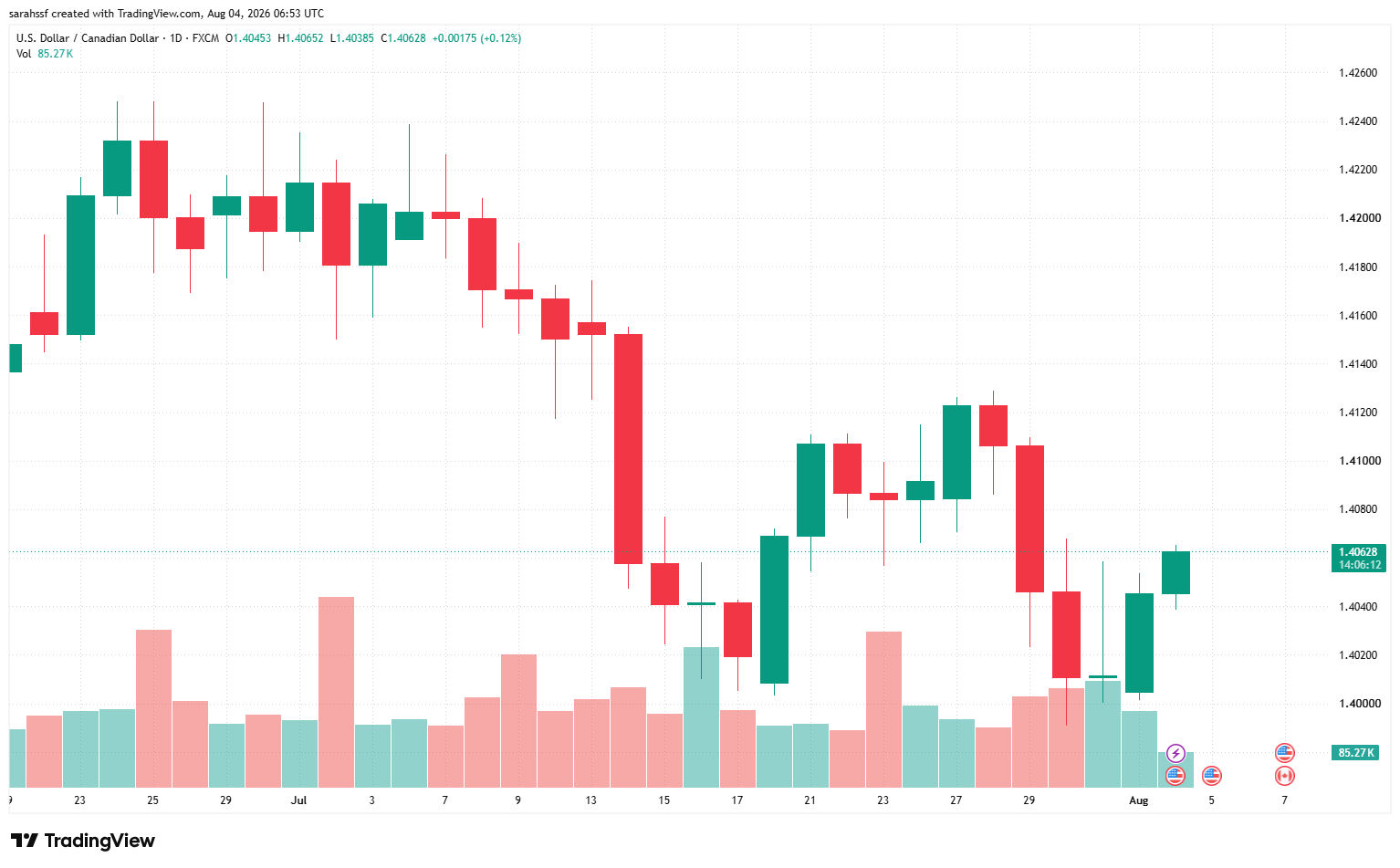
Resistance: 1.3820 | 1.3900
Support: 1.3700 | 1.3620
NZD/USD
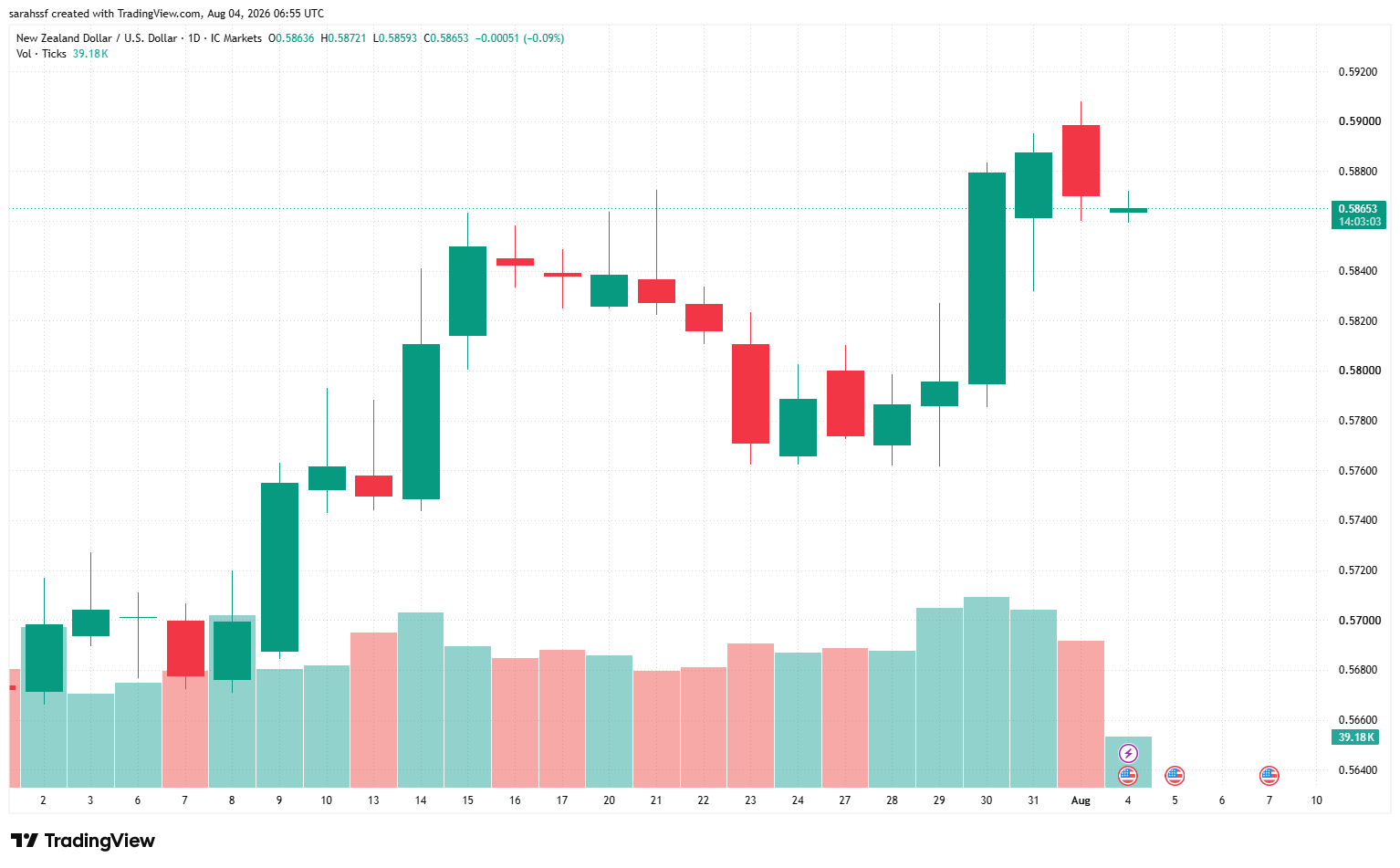
Resistance: 0.6050 | 0.6120
Support: 0.5950 | 0.5880
AUD/USD
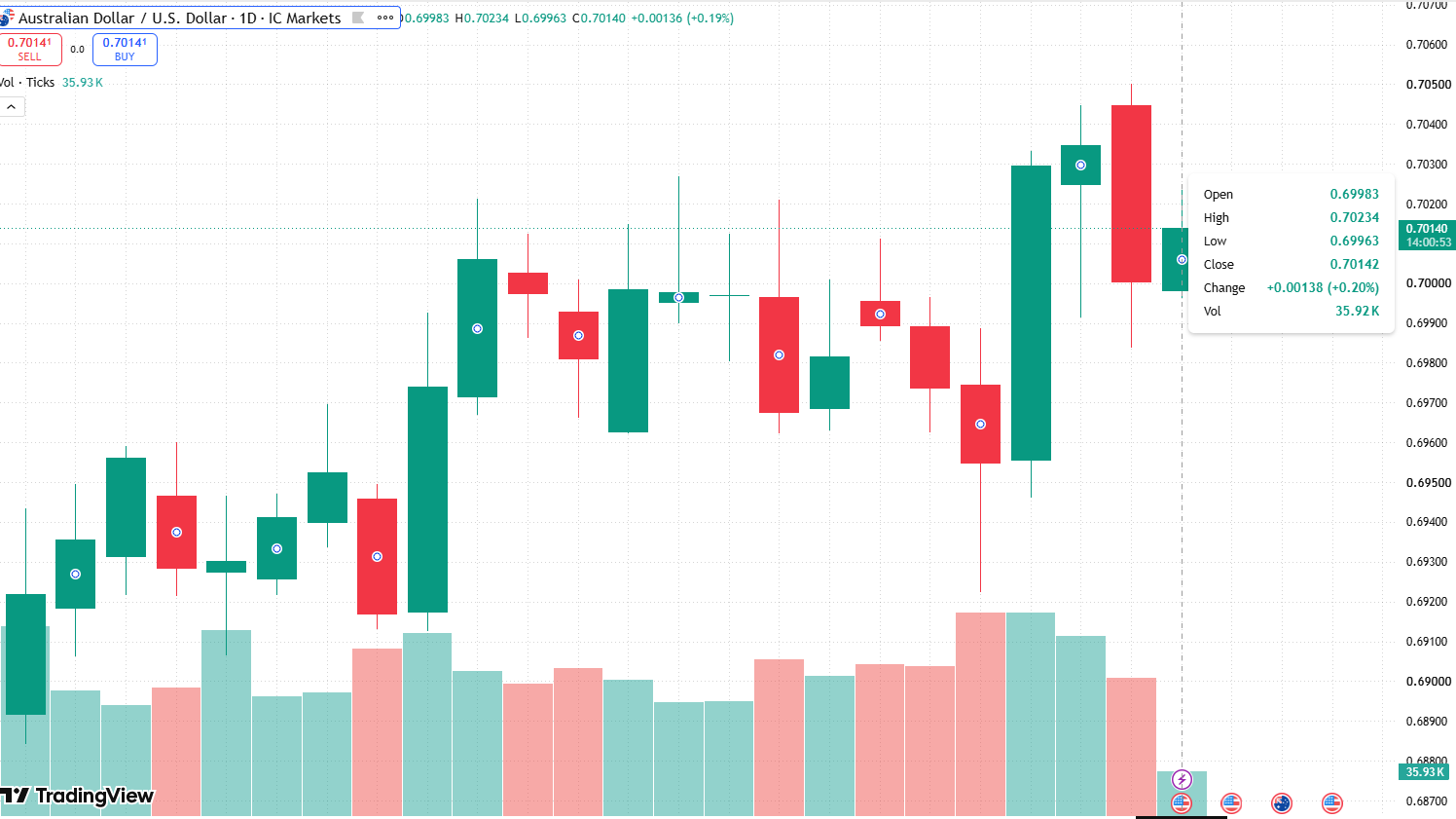
Resistance: 0.6650 | 0.6720
Support: 0.6550 | 0.6480
USD/JPY
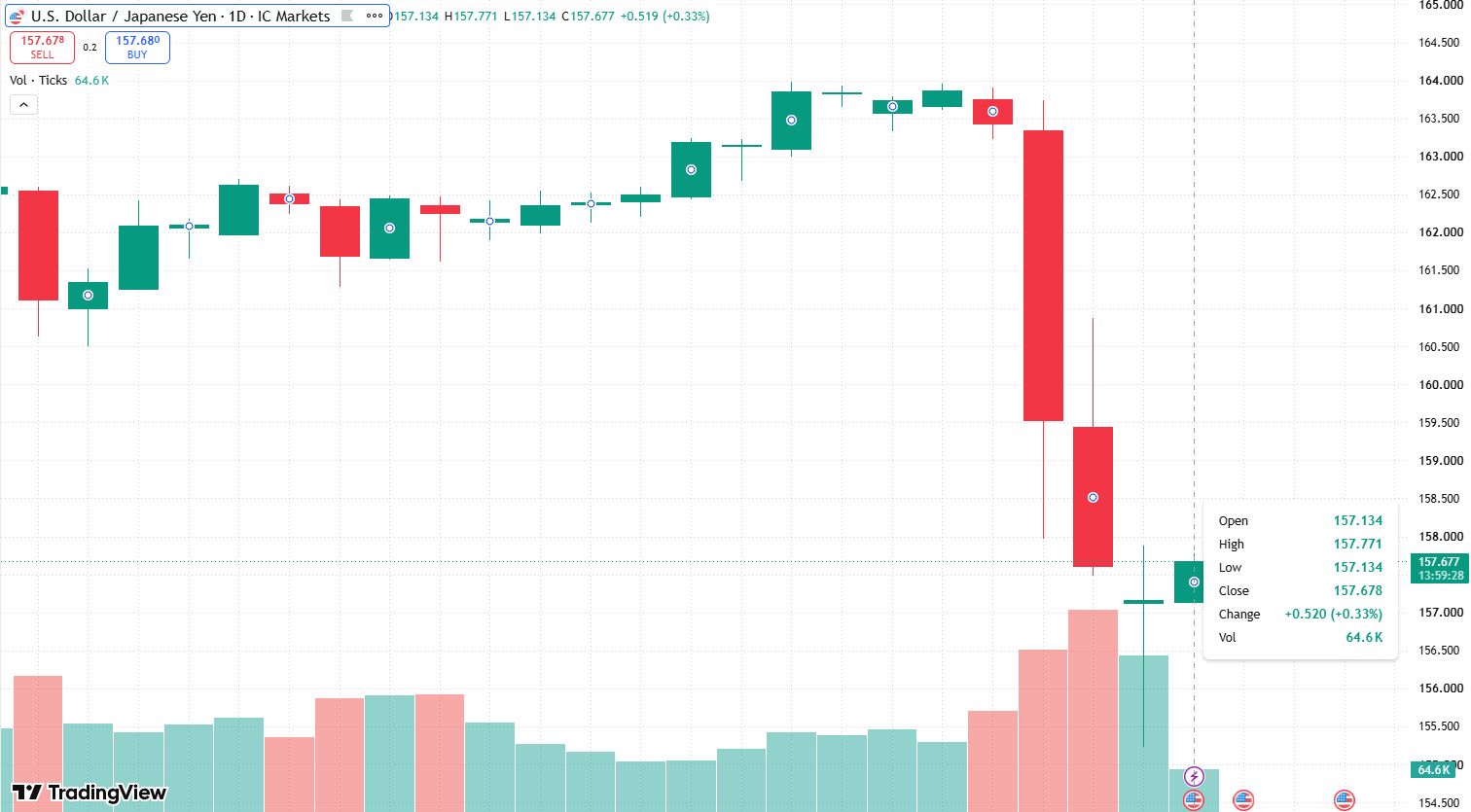
Resistance: 161.00 | 163.00
Support: 157.00 | 156.00
Important Events This Month
Several economic releases could influence forex markets during the first week of August:
August 5: ADP Private Employment Report
August 6: Weekly US Initial Jobless Claims
August 7: US Nonfarm Payrolls (NFP) and Unemployment Rate
These reports often provide early clues about the strength of the US labor market and can significantly affect expectations for future Federal Reserve decisions.
What Traders Should Watch
If the employment report exceeds expectations, the US dollar may strengthen, putting pressure on EUR/USD and GBP/USD while supporting the Dollar Index.
A weaker jobs report would likely encourage selling of the dollar, allowing the euro and British pound to extend recent gains.
Meanwhile, traders in USD/JPY should continue monitoring any signs of intervention from Japanese authorities, as unexpected action could create sharp market volatility.
Final Thoughts
August may appear quieter than other trading months, but that does not mean opportunities will be limited. With the Federal Reserve maintaining a cautious stance and the US labor market under close scrutiny, the upcoming Nonfarm Payrolls report is expected to be the defining event for currency markets.
Whether the dollar resumes its strength or begins a broader pullback will largely depend on the outcome of this single economic release. Traders should stay informed, manage risk carefully, and keep a close watch on major technical levels throughout the month.


Comments
Log in or sign up to join the conversation.