

Augmented Reality Market Outlook
The digital economy is entering a transformative era where immersive technologies are redefining how businesses operate, consumers engage with brands, and industries innovate. Among these technologies, Augmented Reality (AR) has emerged as one of the most disruptive and rapidly evolving innovations, bridging the gap between physical and digital environments. By overlaying computer-generated information onto real-world settings, augmented reality enables interactive experiences that significantly improve engagement, productivity, and decision-making.
According to TechSci Research report, “Augmented Reality Market Trends- Industry Size, Share, Trends, Competition Forecast & Opportunities, 2031F”. The Global Augmented Reality Market will grow from USD 44.63 Billion in 2025 to USD 264.69 Billion by 2031 at a 34.54% CAGR.
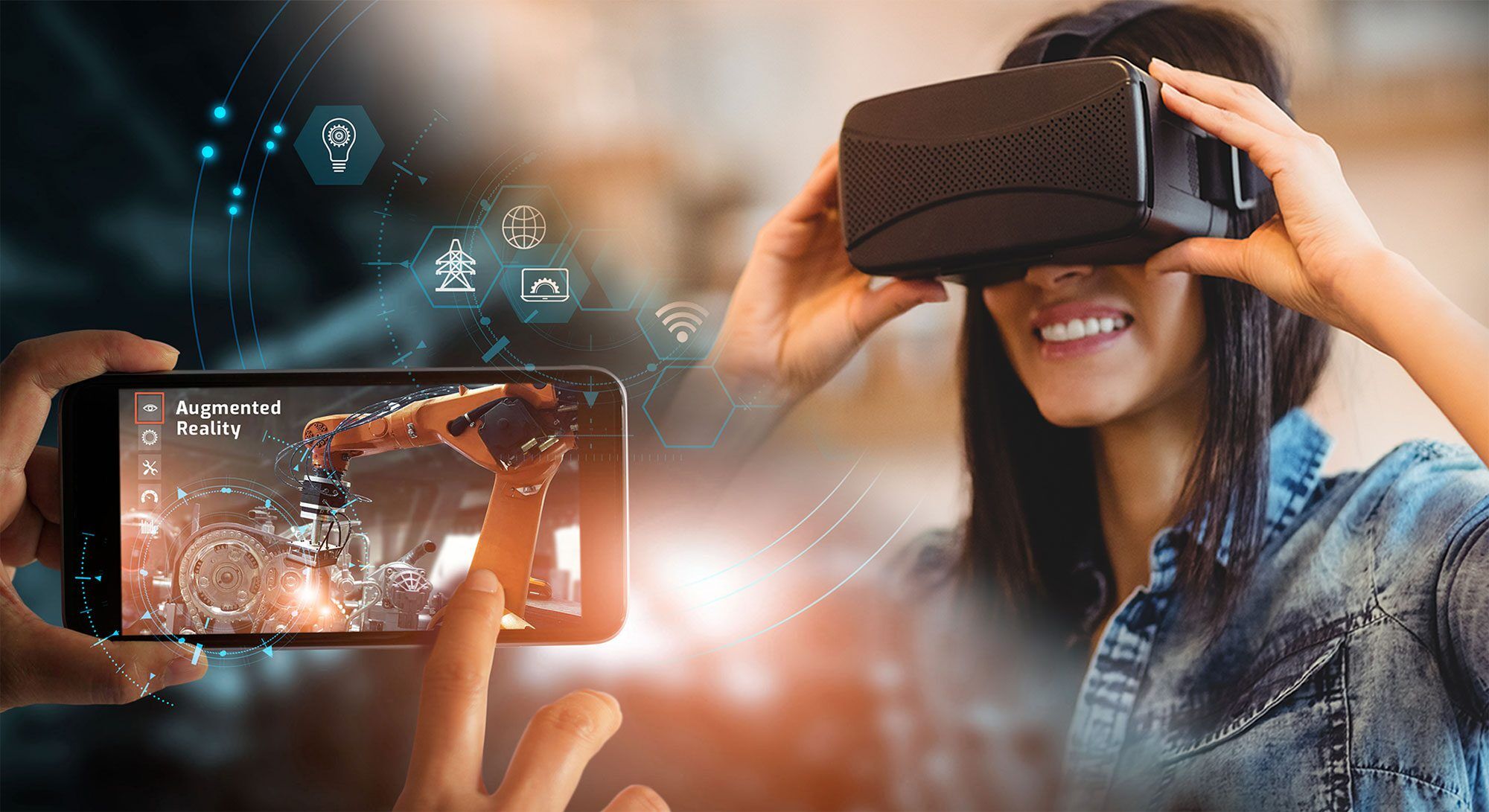
The remarkable growth of the market reflects the increasing adoption of immersive technologies across various sectors, including retail, healthcare, manufacturing, education, entertainment, automotive, aerospace, and enterprise collaboration. Organizations are increasingly recognizing AR's ability to deliver enhanced visualization, improve operational efficiency, and create highly personalized customer experiences.
The growing convergence of artificial intelligence, cloud computing, machine learning, advanced sensors, computer vision, and high-speed connectivity is creating an ecosystem where augmented reality applications can flourish. From virtual try-on solutions and remote assistance tools to industrial simulations and interactive learning environments, AR is rapidly transitioning from an emerging technology to a mainstream business enabler.
The market witnessed accelerated momentum during the COVID-19 pandemic, as organizations across the globe adopted digital solutions to maintain business continuity and facilitate remote engagement. The pandemic highlighted the importance of immersive technologies in enabling collaboration, education, healthcare delivery, and customer interactions in socially distanced environments. These developments significantly accelerated investments in AR technologies and laid the foundation for long-term market expansion.
As businesses continue their digital transformation journeys and consumers increasingly demand engaging and interactive experiences, the Global Augmented Reality Market is expected to witness unprecedented growth throughout the forecast period.
Request For Sample Copy of Report For More Detailed Market insight: https://www.techsciresearch.com/sample-report.aspx?cid=24153#requestform
Industry Key Highlights
Global Augmented Reality Market projected to reach USD 264.69 Billion by 2031
Market expected to grow at an exceptional 34.54% CAGR
Rapid adoption of AR solutions across consumer and enterprise applications
Increasing use of AR in remote collaboration and workforce training
Growing integration of artificial intelligence and machine learning technologies
Software segment emerged as the dominant offering category
Asia Pacific established itself as the fastest-growing regional market
Rising deployment of AR solutions in healthcare and education sectors
Expanding applications in retail, e-commerce, and industrial manufacturing
Continuous advancements in hardware capabilities and digital infrastructure
business ecosystems.
Market Dynamics
The Global Augmented Reality Market is experiencing remarkable momentum driven by technological advancements and changing digital consumption patterns.
Businesses worldwide are embracing immersive technologies to improve productivity, strengthen customer engagement, and create innovative service offerings. Simultaneously, consumers increasingly prefer interactive and personalized experiences that blend digital and physical environments.
Several factors are shaping market development:
Growing digital transformation initiatives
Expansion of cloud computing infrastructure
Rising smartphone penetration
Advancements in artificial intelligence
Increasing enterprise mobility
Rapid deployment of fifth-generation communication networks
Growing investments in metaverse technologies
Increasing demand for immersive experiences
These developments are collectively positioning augmented reality as one of the most promising technology markets globally.
Major Market Drivers
Increasing Demand for Remote Collaboration Solutions
One of the primary drivers of the Augmented Reality Market is the growing need for remote collaboration capabilities.
The global workforce has experienced fundamental changes in recent years, with organizations increasingly adopting hybrid and remote operating models. Businesses require technologies that facilitate effective communication and collaboration among geographically dispersed teams.
Augmented reality enables organizations to create immersive collaborative environments where users can interact with digital content in real time.
Applications include:
Virtual meetings
Interactive product demonstrations
Remote troubleshooting
Collaborative design environments
Employee training simulations
Technical support systems
AR technologies significantly improve communication efficiency by enabling users to visualize information in three-dimensional environments rather than relying solely on conventional communication methods.
The increasing demand for collaborative digital experiences is expected to continue driving market growth throughout the forecast period.
Growing Digital Transformation Initiatives
Digital transformation has become a strategic priority for organizations across industries.
Businesses are increasingly investing in advanced technologies to improve operational efficiency, enhance customer experiences, and gain competitive advantages.
Augmented reality solutions support digital transformation initiatives by enabling:
Interactive customer engagement
Data visualization
Digital workflows
Virtual simulations
Process optimization
Employee productivity enhancement
Organizations increasingly recognize AR's ability to simplify complex information and facilitate better decision-making.
As digital transformation initiatives accelerate globally, demand for augmented reality solutions is expected to expand significantly.
Rising Adoption in Healthcare
Healthcare represents one of the fastest-growing application areas for augmented reality technologies.
Medical institutions are increasingly deploying AR solutions for:
Surgical planning
Medical education
Remote consultations
Patient engagement
Clinical simulations
Diagnostic visualization
AR technologies enable medical professionals to access and visualize complex patient data in intuitive formats, improving precision and reducing risks.
During the COVID-19 pandemic, healthcare providers increasingly adopted digital technologies to facilitate remote consultations and minimize physical interactions.
The healthcare industry's growing emphasis on digital transformation and patient-centric care models is expected to create substantial opportunities for AR providers.
Expanding Applications in Retail and E-Commerce
The retail sector is rapidly embracing augmented reality technologies to improve customer engagement and purchasing experiences.
Consumers increasingly expect personalized and interactive shopping experiences that bridge online and physical retail environments.
AR applications enable:
Virtual product visualization
Digital fitting rooms
Virtual try-on solutions
Interactive product demonstrations
Personalized shopping experiences
These technologies reduce purchase uncertainty while increasing consumer confidence and satisfaction.
Retailers adopting AR technologies are witnessing improvements in customer engagement, conversion rates, and brand differentiation.
The rapid expansion of e-commerce and increasing consumer preference for interactive experiences are expected to drive further market growth.
Rapid Advancements in Connectivity Technologies
The deployment of advanced communication networks is significantly improving the capabilities of augmented reality applications.
Fifth-generation communication networks provide:
Ultra-low latency
Faster data transmission
Higher network reliability
Enhanced connectivity
These capabilities are essential for supporting real-time AR experiences and complex interactive applications.
Improved network infrastructure enables more sophisticated AR applications across industries including gaming, industrial automation, healthcare, and education.
As global investments in communication infrastructure continue increasing, augmented reality adoption is expected to accelerate significantly.
Emerging Trends in the Augmented Reality Market
Integration of Artificial Intelligence
Artificial intelligence is increasingly enhancing the capabilities of augmented reality platforms.
AI-powered technologies improve:
Object recognition
Context awareness
Natural language processing
Personalized experiences
Predictive analytics
Image processing
The convergence of AI and AR enables highly intelligent and adaptive applications that deliver superior user experiences.
This integration is expected to remain one of the most influential trends shaping market development.
Rise of Industrial Metaverse Applications
The concept of industrial metaverse environments is gaining significant momentum.
Organizations increasingly utilize immersive technologies to create digital representations of physical environments.
Industrial metaverse applications support:
Product design
Workforce training
Equipment maintenance
Manufacturing optimization
Remote operations
Augmented reality serves as a critical interface connecting physical and digital environments within these ecosystems.
Growing investments in industrial metaverse initiatives are creating substantial opportunities for AR solution providers.
Expansion of Spatial Computing
Spatial computing is emerging as a transformative technology segment within the AR market.
The technology enables users to interact with digital information within physical environments naturally.
Applications include:
Smart workspaces
Interactive education
Healthcare visualization
Engineering simulations
Consumer experiences
Advancements in sensors, displays, and processing capabilities are accelerating the adoption of spatial computing technologies.
Increasing Enterprise Adoption
Augmented reality is rapidly transitioning from consumer-focused applications toward enterprise solutions.
Organizations increasingly deploy AR technologies to:
Improve productivity
Enhance employee training
Streamline maintenance processes
Optimize workflows
Improve customer experiences
Enterprise adoption is expected to remain a major growth driver over the coming years.
Challenges in the Augmented Reality Market
Market Fragmentation and Lack of Standardization
Despite remarkable growth potential, the market faces challenges associated with fragmentation.
The AR ecosystem comprises diverse:
Hardware devices
Operating systems
Development platforms
Software frameworks
Content creation tools
This diversity often creates compatibility challenges and increases development complexity.
The absence of universal standards can lead to inconsistent user experiences across platforms.
Industry-wide collaboration and standardization initiatives will be critical for fostering scalability and interoperability.
Privacy and Security Concerns
Augmented reality applications frequently process sensitive user information including:
Location data
Biometric information
Environmental data
Personal preferences
Protecting user privacy and ensuring data security remain significant priorities.
Organizations must establish robust security frameworks and transparent data practices to build trust and encourage widespread adoption.
Technical Limitations
While AR technologies have advanced significantly, certain technical challenges remain.
These include:
Hardware limitations
Battery constraints
High development costs
Processing requirements
Limited field of view in certain devices
Addressing these challenges through continuous innovation will be essential for long-term market growth.
Regional Insights
Asia Pacific Emerges as the Fastest-Growing Market
Asia Pacific has established itself as the fastest-growing region in the Global Augmented Reality Market.
The region's impressive growth is driven by:
Rapid technological advancements
Expanding digital infrastructure
Growing smartphone penetration
Increasing internet accessibility
Rising investments in innovation
Countries including China, Japan, South Korea, and India are at the forefront of AR development and deployment.
The region's vibrant technology ecosystem, supported by startups and established technology companies, is accelerating innovation.
Numerous industries across Asia Pacific are increasingly embracing AR technologies.
Retail Sector
AR applications are transforming shopping experiences through:
Virtual product trials
Interactive displays
Personalized marketing experiences
Healthcare Sector
Medical institutions are deploying AR technologies for:
Training simulations
Surgical planning
Patient education
Education Sector
Educational institutions increasingly use immersive learning experiences to improve student engagement and understanding.
Government initiatives supporting digital innovation and technology adoption further accelerate regional market expansion.
Strategic collaborations between local and international organizations are also strengthening Asia Pacific's competitive position in the global AR landscape.
Competitive Analysis
The Global Augmented Reality Market is highly competitive and characterized by rapid innovation.
Product Innovation
Market participants continuously invest in advanced hardware and software capabilities to deliver immersive and seamless experiences.
Strategic Partnerships
Collaborations between technology companies, software developers, device manufacturers, and enterprise customers are accelerating product development and market expansion.
Research and Development Investments
Continuous investments in artificial intelligence, computer vision, and advanced displays are strengthening product capabilities and competitive differentiation.
Geographic Expansion
Companies are increasingly targeting high-growth markets across Asia Pacific and emerging economies to capitalize on expanding opportunities.
Mergers and Acquisitions
Strategic acquisitions continue to reshape the competitive landscape as companies seek to enhance technological capabilities and broaden solution portfolios.
Key Market Players
Apple Inc
Alphabet Inc
Qualcomm Incorporated
Samsung Electronics Co., Ltd
Meta Platforms, Inc
Magic Leap, Inc
Snap Inc.
Cisco Systems, Inc
PTC Inc
Vuzix Corporation
Customers can also request for 10% free customization on this report.
Future Outlook
The future of the Global Augmented Reality Market appears exceptionally promising.
Advancements in:
Artificial intelligence
Fifth-generation communication networks
Cloud computing
Spatial computing
Computer vision
Wearable technologies
will continue accelerating market expansion.
Industries including retail, healthcare, manufacturing, education, entertainment, automotive, and aerospace are expected to substantially increase investments in AR solutions.
As organizations seek interactive, scalable, and intelligent digital experiences, augmented reality technologies will become increasingly integrated into business processes and everyday life.
The market's exceptional growth potential, expanding application areas, and continuous technological innovation position augmented reality as one of the most transformative technologies shaping the future digital economy.
10 Benefits of the Augmented Reality Market Research Report
Provides comprehensive market size estimates and future forecasts.
Delivers in-depth analysis of growth drivers and market trends.
Identifies emerging technologies and innovation opportunities.
Offers detailed segmentation and regional analysis.
Evaluates competitive landscape and company strategies.
Supports informed investment and expansion decisions.
Assesses opportunities across multiple industries and applications.
Provides insights into challenges and risk factors.
Helps organizations formulate data-driven business strategies.
Enables stakeholders to understand future market dynamics and competitive opportunities in the rapidly evolving augmented reality industry.
Contact US:
Techsci Research LLC
420 Lexington Avenue, Suite 300,
New York, United States- 10170
Tel: +13322586602
Email: [email protected]
Web: https://www.techsciresearch.com/
Comments
Log in or sign up to join the conversation.