

Apple (AAPL) is caught in a tug of war between two of its biggest priorities — and so is the president.
Apple CEO Tim Cook has been meeting with senior Trump administration officials, including Commerce Secretary Howard Lutnick and Treasury Secretary Scott Bessent, to push for permission to use memory chips from two Chinese companies: ChangXin Memory Technologies and Yangtze Memory Technologies.
Apple says the move would help ease a global memory shortage and slow price increases for American consumers. The chips would only be used in Apple devices sold outside the United States.
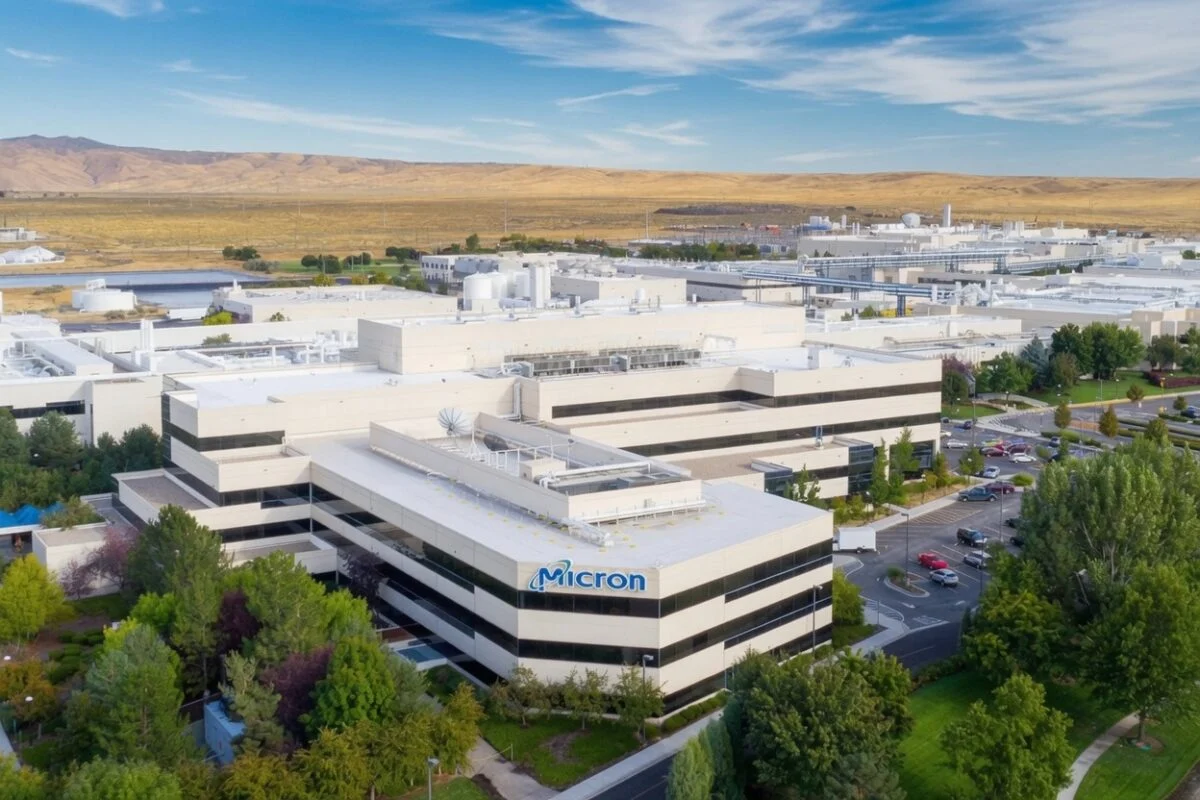
Standing directly in Apple’s way is Micron Technology (MU), the only large US-based memory chip manufacturer. Micron’s CEO Sanjay Mehrotra has warned administration officials that letting US tech companies buy from Chinese producers — even for overseas products — could damage the domestic chip industry.
Micron has compared the risk to what happened to US steel and manufacturing, where Chinese competition played a role in hollowing out those industries over time.
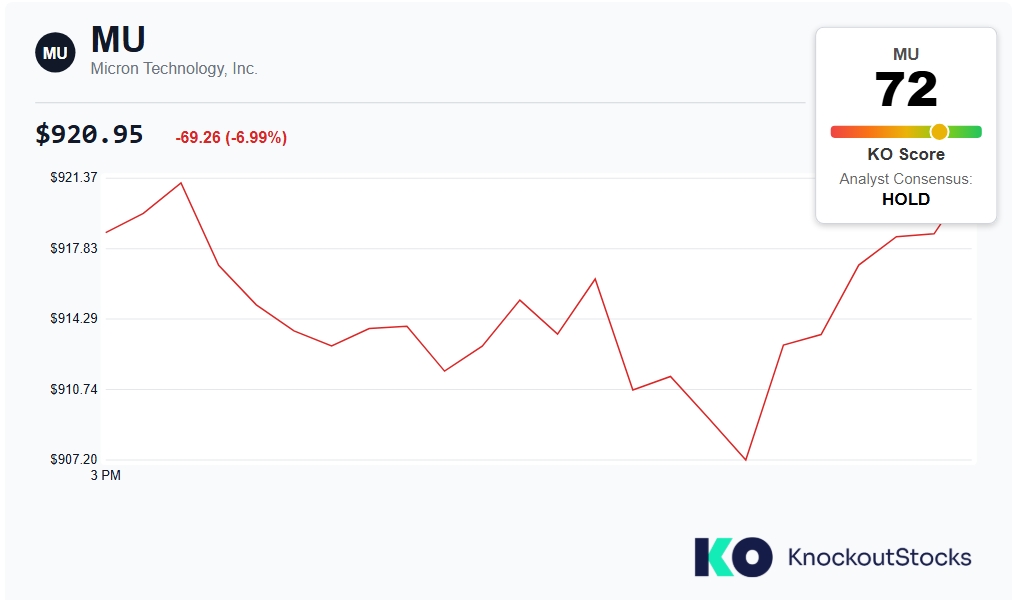
Prices Have Quadrupled
Memory chip prices have risen sharply over the past year, quadrupling according to research firm TechInsights. The surge is largely driven by AI data centres, which buy large volumes of advanced memory at premium prices.
That demand has eaten into the supply available for smartphones, medical devices, and cars — and stripped Apple of the pricing power it once had over chip suppliers.
Apple has accused Micron of profiting from the shortage. The iPhone maker points to Micron’s gross profit margins, which now exceed 80%, as evidence of price gouging. Apple also claims Micron is directing new production capacity toward AI customers rather than consumer electronics.
Micron rejects that characterisation. The company says rising prices reflect more than just memory costs, and it has pledged to spend $250 billion on US manufacturing to build out domestic capacity.
National Security Complicates the Picture
Both Chinese companies at the centre of the dispute carry national security flags. YMTC is on the US Entity List — a trade blacklist — and both CXMT and YMTC have been designated Chinese military companies by the Pentagon.
White House technology adviser Michael Kratsios told lawmakers this week that American companies should not be doing business with Entity List firms.
Apple previously tried to work with YMTC in 2022 but backed away after political pressure, including a warning from then-Senator Marco Rubio that Apple was “playing with fire.” Rubio is now Secretary of State and remains involved in the current discussions.
Trump has praised both Apple and Micron for investing in the US and has so far avoided taking a public stance. His administration is also in the middle of trade negotiations with China, adding another layer of complexity to any decision.

Comments
Log in or sign up to join the conversation.