

Apple (AAPL) reported better-than-expected revenue and earnings for its September quarter.
The company's shares were trading slightly higher in Monday's after-hours trading as investors assessed the impact of higher device prices, supply constraints, and demand ahead of the holiday season.
The company generated revenue of $114.5 billion, up 12% from $102.5 billion a year earlier.
Earnings per share came in at $2.10, including a positive impact of five cents from tariff refunds.
Analysts tracked by FactSet had expected revenue of $113.4 billion and earnings per share of $1.99.
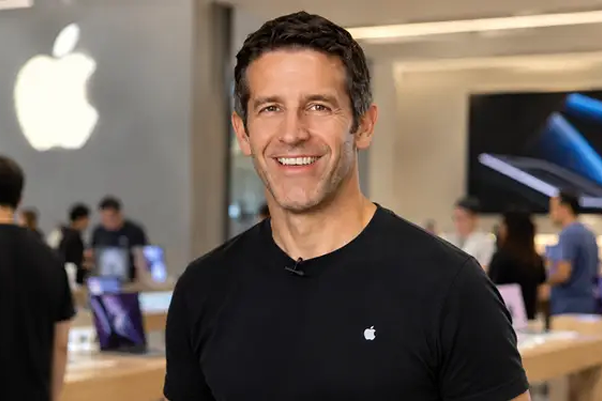
The results mark Apple's first quarterly report since John Ternus became chief executive on September 1, succeeding Tim Cook.
Investors are now looking for details about the company's outlook for the holiday quarter, particularly as higher component costs and product delays create uncertainty around demand.
iPhone revenue beats estimates despite supply constraints
iPhone revenue reached $57.58 billion, exceeding analysts' expectations of $56.54 billion, according to LSEG data.
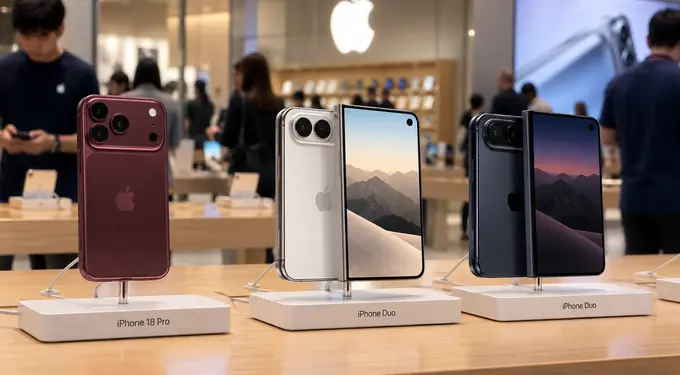
However, the figure included only eight days of sales of the new iPhone 18 Pro models. Apple's foldable iPhone Duo was not available until after the quarter ended.
Apple's performance came despite a challenging environment for smartphone manufacturers.
A global shortage of memory chips and other components has pushed up production costs, prompting the company to increase iPhone prices by $100.
The higher prices are part of a broader adjustment across Apple's device range that began in late June.
The company's chief financial officer, Kevan Parekh, said supply-chain constraints had limited its ability to meet demand in China.
Sales in the country reached $17.5 billion, an increase of around 20% from a year earlier, but below analysts' expectations of $18.9 billion.
The supply shortage has affected the wider smartphone market.
Global smartphone shipments declined 20% in the third quarter, according to Counterpoint Research.
Apple, however, increased its market share from 18% to 22%, partly benefiting from stronger demand for its premium devices.
Apple's capital expenditure totalled $2.24 billion during the quarter, below LSEG's estimate of $3.33 billion.
This continues the company's trend of investing lightly as other mega tech peers pour capex for AI buildout.
Mac and services revenue support quarterly performance
Apple also reported stronger-than-expected Mac sales, with revenue reaching $10.8 billion, approximately $1 billion above Wall Street forecasts.
Services revenue, which includes the App Store, Apple Pay and iCloud, totalled $31.6 billion.
Net income came in at $30.7 billion.
The company's gross margin was 47.9%, within its previously provided forecast range of 47% to 48%.
Apple's results come amid a broader retreat in technology stocks, following disappointing earnings from several major technology companies and concerns about the scale of spending on artificial intelligence infrastructure.
Unlike some of its technology peers, Apple has not committed to a comparable large-scale data-centre investment programme.
This has helped distinguish its business from companies facing questions about the returns on their AI spending.
However, Apple remains exposed to the semiconductor supply constraints affecting the wider technology industry, particularly the rising cost and limited availability of memory chips.
Holiday outlook and iPhone Duo delays remain in focus
Investors are closely watching Apple's outlook for the holiday season, which is typically discussed during the earnings call following the results.
The company faces several uncertainties, including higher prices, component shortages, and delays affecting the iPhone Duo.
The foldable device has experienced extended delivery times, alongside reports of screen cracks.
Apple has said the issues have affected only a limited number of devices.
The company also delayed the launch of the cheaper base iPhone 18 model until next year, complicating comparisons with previous product cycles.
Parekh said it was difficult to determine how much of the stronger iPhone performance reflected customers purchasing devices ahead of anticipated price increases.

Comments
Log in or sign up to join the conversation.